

Understanding Net-Zero Homes
A net-zero home is designed to be highly energy-efficient, reducing its energy consumption and generating as much renewable energy as it needs over a year, often through on-site solar panels. This creates a home that is warmer, healthier, and more affordable to run, while also contributing to a reduction in carbon emissions from the building sector. Key elements include high levels of insulation, airtight construction, energy-efficient windows, and renewable energy systems like solar PV and heat pumps. In our quest for sustainable living, the concept of net-zero homes emerges as a pivotal solution. But what exactly does it mean to achieve a net-zero home? Simply put, a net-zero home generates as much energy as it consumes on an annual basis. This ambitious goal aligns with our vision for a greener future and demonstrates our commitment to reducing carbon footprints.
In this article, we will delve into the various elements that define net-zero living. We aim to provide clear insights on achieving MAXIMUM energy efficiency through innovative building strategies and effective retrofitting. By employing next-generation technologies and practices, we can significantly cut down energy usage and, in turn, foster a cleaner environment.
Join us as we outline our roadmap to net-zero homes by 2025, highlighting essential steps and innovative solutions that pave the way for a sustainable lifestyle. Let’s embark on this vital journey together!


Defining Net-Zero Homes
At the core of our pursuit for sustainable housing lies a critical understanding: a net-zero home is not merely an energy-efficient structure; it is a thoughtfully designed ecosystem harmonizing energy consumption and generation. By definition, a net-zero home produces at least as much energy as it consumes on a yearly basis, effectively balancing its energy expenditure.
The Energy Balance Equation
To grasp the essence of net-zero homes, we must consider two fundamental components: energy efficiency and renewable energy generation.
For instance, installing a robust solar panel system can drastically reduce grid energy usage, allowing homeowners to achieve the elusive balance between energy used and produced.
Technological Integration and Design
Moreover, achieving net-zero status requires a shift in design philosophy. We embrace an integrated approach, where architectural elements and technology work in concert. Passive design strategies—like optimal window placement for natural light and ventilation—reduce dependency on active heating and cooling.
Many of us have seen homeowners transform their living spaces utilizing these principles. A vivid example is the story of a couple in Colorado who turned an outdated home into a net-zero masterpiece. They achieved astounding results by retrofitting their property with high-quality insulation, triple-glazed windows, and a well-planned solar array, leading to zero annual energy bills.
Future Focus: Moving Forward
As we lay the groundwork for understanding net-zero homes, it’s crucial to appreciate the foundational principles that underlie these eco-friendly architectures. In the next section, we will explore the core principles of energy efficiency, diving deeper into specific strategies that can enhance our path toward net-zero living. By understanding these core principles, we can collectively push the boundaries of what is possible in sustainable home design.
You might be interested in: How to Choose the Best Privacy Smartphones in 2025
Core Principles of Energy Efficiency
As we aim for net-zero homes, understanding the core principles of energy efficiency is essential. Not only do these principles help minimize energy consumption, but they also enhance indoor comfort and support our overall sustainability goals. Here, we will explore key factors such as insulation, air sealing, energy-efficient windows, and the importance of thermal mass.
Optimizing Insulation
First and foremost, insulation acts as a crucial barrier against heat loss and gain. By effectively managing heat movement, we can significantly reduce the energy demand for heating in winter and cooling in summer. High-quality insulation—such as spray foam, cellulose, or fiberglass—can prevent drafts and maintain consistent indoor temperatures.
Importance of Air Sealing
Next, we must consider air sealing, which complements insulation. Even the best insulation can fall short if air leaks undermine its effectiveness. Sealing gaps around windows, doors, and utility openings keeps conditioned air in and external air out. Pay special attention to:
By addressing these areas, we reduce our heating and cooling loads dramatically, contributing to our net-zero goals.
Energy-Efficient Windows
Windows play a crucial role in energy efficiency as well. Energy-efficient windows such as double or triple-glazed units, equipped with low-emissivity (Low-E) coatings, enhance natural light while minimizing thermal transfer. These windows reduce heating costs in the winter and cooling costs in the summer.
We can consider products like the Historic Windows Energy Efficiency Case, which illustrate the effective integration of historical design with modern energy performance standards. These innovations can offer both aesthetic appeal and practical savings.
The Role of Thermal Mass
Finally, let’s discuss the importance of thermal mass. Materials such as concrete, brick, or stone can store heat during the day and release it at night, allowing homes to maintain a stable temperature without excessive reliance on HVAC systems.
As we adopt these core principles of energy efficiency, we not only enhance our living comfort but also lay a robust foundation for integrating renewable energy solutions.
In the next section, we will explore how these solutions can work hand-in-hand with our efforts to create truly net-zero homes. By understanding the power of renewable energy, we take another significant step toward a sustainable future.
Integrating Renewable Energy Solutions
As we strive toward achieving net-zero homes, integrating renewable energy solutions into our living spaces becomes paramount. These technologies not only help us produce clean energy, but they also allow us to minimize our reliance on the conventional power grid. Let’s explore some impactful renewable energy options that can be seamlessly incorporated into our homes: solar panels, wind turbines, and geothermal systems.
Solar Panels: Harnessing the Sun
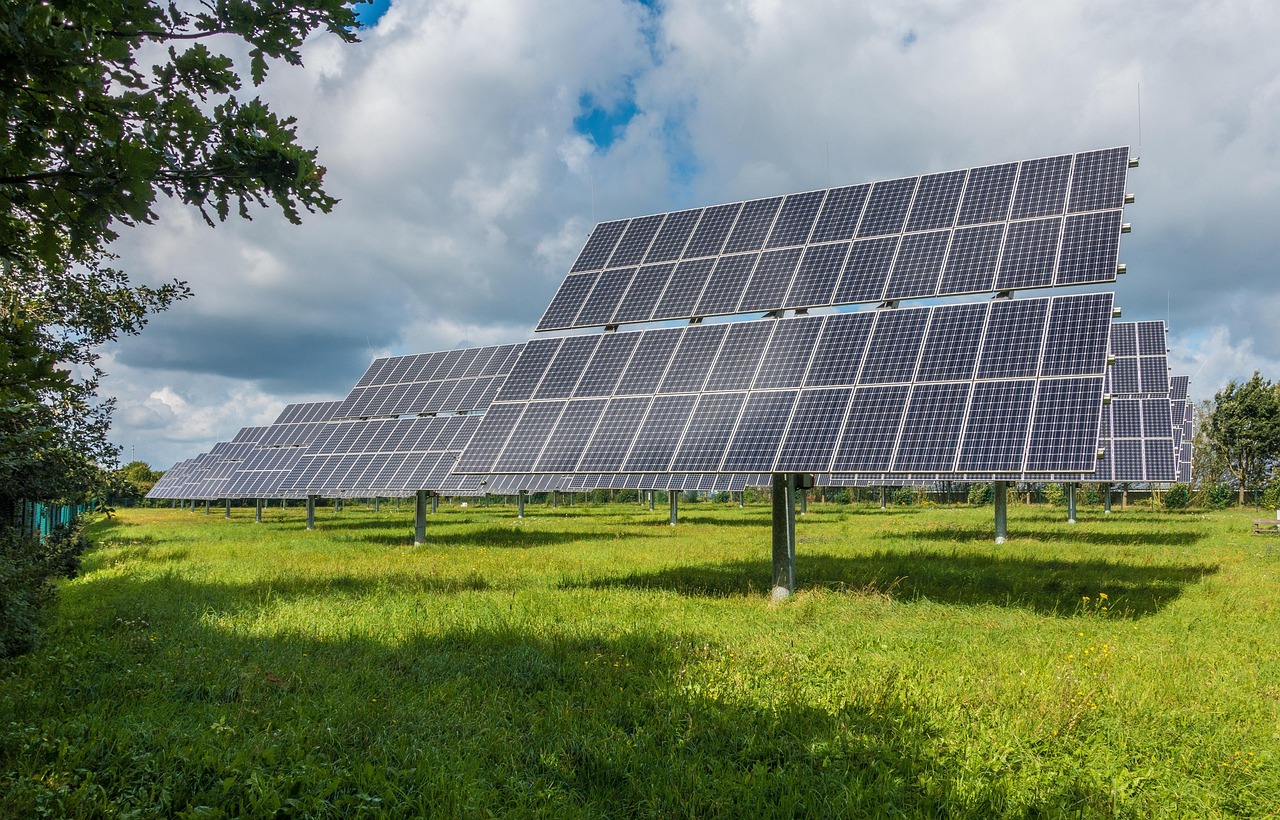
Solar panels remain one of the most popular renewable energy solutions. By converting sunlight into electricity, they offer an efficient means to reduce our dependence on fossil fuels. When selecting a solar system, it is essential to consider factors such as panel efficiency, space availability, and local solar incentives.
Wind Turbines: Capturing the Breeze
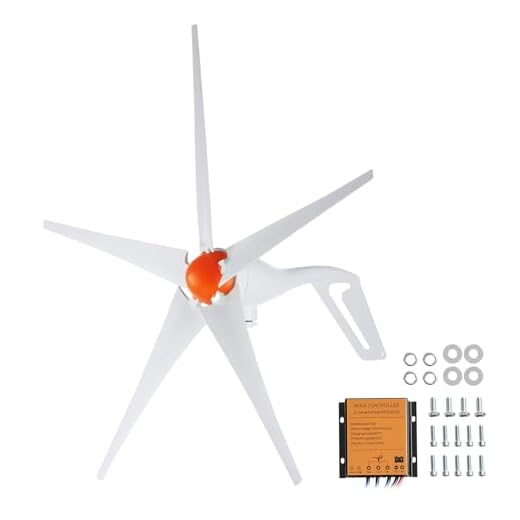
For those of us residing in areas with consistent winds, wind turbines offer a viable energy source. This technology converts wind energy into electricity, providing an excellent supplement to solar power.
Geothermal Systems: Unearthing Energy
Geothermal energy taps into the Earth’s natural heat for heating and cooling purposes. By utilizing systems that circulate water or refrigerants through underground pipes, we can maintain comfortable indoor temperatures with minimal energy consumption.
Optimizing Energy Production
To ensure we maximize the potential of our renewable energy solutions, consider the following best practices:
As we begin to integrate these renewable solutions into our homes, we take significant strides toward sustainability. This journey doesn’t end here; in the next section, we’ll explore the smart technologies that can enhance our home automation systems, further supporting our net-zero ambitions. By harmonizing renewable energy with cutting-edge technology, we can enhance efficiency and drive our sustainable living efforts forward.
Smart Technologies for Home Automation
As we progress toward our goal of net-zero homes, the integration of smart technologies emerges as a pivotal element in creating efficient, responsive living environments. Utilizing home automation systems, we can monitor and optimize our energy consumption, making significant strides toward sustainability. Here, we will delve into the potential of energy management systems, smart thermostats, and IoT devices in reducing our carbon footprint and enhancing our daily lives.
Energy Management Systems: The Brain of Home Automation
An energy management system (EMS) acts as the central hub for managing energy consumption across our home. By leveraging real-time data analytics, we gain visibility on how and when energy is being used, empowering us to make informed decisions.
Imagine a home where our EMS provides insights into peak energy usage times, enabling us to shift high-consumption tasks—like running the dishwasher or washing machine—to off-peak hours. This simple adjustment can lead to significant cost savings and a lower carbon footprint.

Smart Thermostats: Perfecting Climate Control
In our pursuit of efficiency, smart thermostats stand out as a game-changer. These devices learn our daily routines and automatically adjust heating and cooling settings, ensuring comfort while minimizing energy consumption.
For example, consider a family that installs a smart thermostat. After just one month, they see a 15% reduction in their energy bills simply because the system optimized the HVAC usage based on their daily patterns.
IoT Devices: Enhancing Efficiency
The integration of Internet of Things (IoT) devices expands our capabilities by allowing interconnected appliances to communicate. These devices work collaboratively to enhance energy efficiency in our smart ecosystems.
By employing these IoT technologies, we create a home that not only reacts to our immediate needs but also anticipates and optimizes energy usage throughout the day.
Real-World Applications
Consider the story of a tech-savvy homeowner who deployed an array of smart devices, including a smart thermostat, energy management system, and IoT appliances. After a few months, they reported a noticeable drop in energy bills and improved comfort levels, showcasing how interconnected technology can significantly enhance our living experiences.
The benefits of integrating smart technologies don’t just stop at efficiency; they contribute to a more informed approach to energy consumption. With every advancement, we move closer to achieving true sustainability in our homes.
As we examine harnessed energy through intelligent designs and automation, the next section will explore the financial incentives and strategies that can support us in our journey toward net-zero living. By understanding and leveraging these financial tools, we can invest wisely in our sustainable futures.
Financial Incentives and Strategies
As we delve deeper into the practical aspects of achieving net-zero living, we recognize that financial considerations play a significant role in our decisions—especially when it comes to building or retrofitting homes. There are numerous financial incentives and strategies that can help us offset the costs associated with transitioning to net-zero homes. From grants and tax incentives to financing options, we explore how these tools can facilitate our journey toward sustainability while providing both immediate and long-term financial benefits.
Understanding Grants and Rebates
Several government programs and initiatives offer grants and rebates that can help reduce the upfront costs of energy-efficient upgrades and renewable energy installations. Here are some key points to consider:
By leveraging these grants and rebates, we can significantly lower our initial investment in creating a net-zero home.
Exploring Tax Incentives
Tax incentives are another pivotal strategy in our financial roadmap. Not only do these benefits reduce the overall tax burden, but they also enhance the financial feasibility of implementing energy-efficient measures. Some notable tax incentives include:
By staying informed about these incentives, we can effectively reduce our taxable income, allowing us more flexibility in financial planning.
Financing Options
In addition to tax incentives, we can explore various financing options to support our transition to net-zero homes. Here are a few pathways worth considering:
These financing options not only make it easier to implement energy-saving measures but can also lead to a quicker return on investment through reduced energy bills.
Long-Term Savings and ROI
Beyond the initial costs and incentives, it’s crucial to consider the long-term savings and return on investment (ROI) associated with net-zero homes. Homeowners can expect the following:
For instance, homes with solar panels can demonstrate a higher valuation in the real estate market due to their energy-producing capabilities, showcasing the financial viability of our sustainable living investments.
As we weave these financial aspects into our net-zero strategies, we create a more compelling case for sustainable living. With effective use of incentives, strategic financing, and understanding the long-term benefits, we lay the groundwork for our homes to thrive in a sustainable future.
In our conclusion, we will summarize our journey toward achieving net-zero homes and reflect on the broader impact of these efforts on our communities and environment.

Moving Towards a Sustainable Future
As we conclude, we reiterate the importance of adopting net-zero principles in our homes. By implementing the strategies discussed—prioritizing energy efficiency, integrating renewable energy solutions, and embracing smart technologies—we can collectively move towards a more sustainable future. Transitioning to net-zero living not only reduces our carbon footprint but also transforms our living environments into healthier, more efficient spaces.
We encourage each of you to take action on this journey. Whether it’s upgrading insulation, investing in solar panels, or utilizing home automation systems, every step counts. Let’s harness our collective power to create net-zero homes by 2025, paving the way for a cleaner, greener world for generations to come. Together, we can lead the charge towards a sustainable future.





I respect the effort towards net-zero homes, but it feels like a lot of pressure on homeowners. What if I can’t keep up? Is there a community aspect to this?
Community gardens and workshops can be a great way to share knowledge and resources!
That’s a good point, Jake! Many communities are forming around sustainability efforts, so connecting with others can relieve some of that pressure.
This roadmap is pretty inspiring! But let’s be real, not everyone can afford to set up all these technologies. What about resources for low-income families?
Great question, Zoe! There are initiatives aimed at helping low-income households access these technologies, but it could be more widespread.
Yeah! I think community programs could help with that. More awareness is needed.
I’m all in for sustainable living, but have you seen the prices for some of this tech? The historic windows efficiency case sounds awesome, but are we talking a second mortgage here? 😅
Haha, I hear you, Chris! Some investments are hefty upfront, but they pay off in the long run.
True, but there are often grants or rebates available for things like window upgrades that can help!
Fantastic article! Love the emphasis on financial incentives. Honestly, who wouldn’t want to save money while going green? But what’s the catch? Are there hidden fees with these incentives?
Yeah, I think some incentives are tied to specific products or contractors. Make sure you do your research!
That’s a valid concern, Tom! It’s important to read the fine print, but many programs are designed to genuinely help homeowners.
This is all very cool, but honestly, I think most people just want to keep their bills low. Can we get practical tips without all the fancy tech?
Definitely, Liam! Sometimes simple changes can make a huge difference in energy bills. Keep an eye out for our upcoming articles on that!
For sure! Even small habits can lead to big savings!
Super interesting read! I never thought about integrating wind energy at home. That VEVOR wind turbine sounds cool! Anyone used it before? What’s the noise level like? 🌬️
I’ve got the VEVOR turbine! It’s surprisingly quiet, but it does depend on wind conditions. Definitely a good investment!
Thanks for sharing, Daniel! Wind energy can be a fantastic complement to solar.
I don’t know, guys. This sounds great and all, but are we really ready to embrace all this tech? Smart home stuff kinda freaks me out. What if it malfunctions? 🤷♀️
Great point, Leo! It can be daunting, but starting small with devices like the Emporia Vue can help ease you into it.
I get what you mean, Jenna! But honestly, the benefits usually outweigh the risks. Plus, a lot of smart tech comes with back-up options.
Okay, I’m convinced! The smart home automation sounds like it could save me from my own forgetfulness, haha. Anyone have tips for starting out without breaking the bank?
Absolutely, Nina! Start with basic devices that control lighting or energy usage, and build from there.
Totally agree! The Emporia Vue is a great start. It really helps you track energy use!
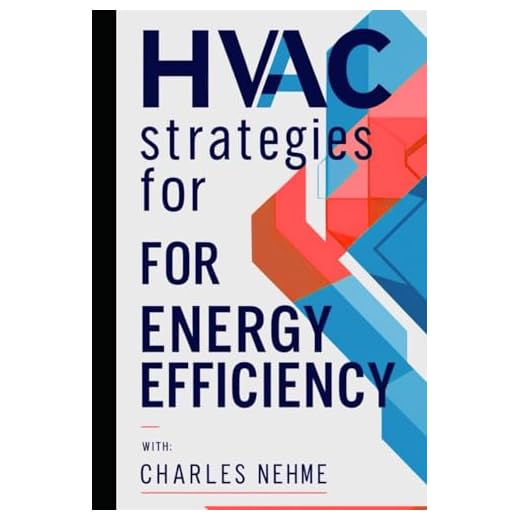
This article really opened my eyes to what net-zero homes can do for us! I had no idea about the hidden HVAC strategies. Totally going to check out that guide to achieving net zero homes! Anyone else tried the ECO-WORTHY solar panel kit? How’s the installation? 🤔
I installed the ECO-WORTHY kit last summer! It was easier than I thought. Just make sure you have all the tools ready before you start. Definitely worth it! 🌞
Glad you found it helpful, Ella! The ECO-WORTHY kit is a great choice for beginners.