





{
“@type”: “Article”,
“author”: {
“url”: “https://htexs.com”,
“name”: “Htexs”,
“@type”: “Organization”
},
“@context”: “https://schema.org”,
“headline”: “Understanding the Tax Benefits of Solar Panels”,
“publisher”: {
“url”: “https://htexs.com”,
“name”: “Htexs”,
“@type”: “Organization”
},
“inLanguage”: “en”,
“articleBody”: “Explore the tax benefits of solar panels to understand their impact on savings and sustainability. Learn how they work and why they matter.”,
“description”: “Explore the tax benefits of solar panels to understand their impact on savings and sustainability. Learn how they work and why they matter.”,
“datePublished”: “2025-10-12T00:45:30.048Z”
}
Solar panels promise clean energy for your home and the chance to cut monthly electric bills. Many people expect a steep upfront cost to stand in the way. Yet, with incentives like the Federal Solar Investment Tax Credit, you can reduce your installation expenses by up to 30 percent. Most folks are shocked to learn that these tax breaks often turn solar from a pricey dream into a solid financial win.
Table of Contents
- What Are Solar Panels and Their Financial Implications?
- Why Tax Benefits Matter for Solar Energy Adoption
- How Tax Incentives for Solar Panels Function
- Key Concepts Surrounding Solar Tax Credits and Deductions
- Real-World Examples of Tax Benefits in Action
Quick Summary
| Takeaway | Explanation |
|---|---|
| Solar panels convert sunlight into electricity | Utilizing photovoltaic cells, solar panels transform solar energy into usable electrical current for homes and businesses. |
| Tax credits can significantly reduce costs | Federal and state tax incentives can lower the overall expense of solar panel installation, making it more affordable. |
| Net metering provides potential revenue | Homeowners can sell excess energy generated back to the grid, creating an additional income stream alongside savings on bills. |
| Document expenses for tax benefits | Maintaining detailed records of installation expenses is crucial to maximize potential tax credits and deductions. |
| Solar investments stimulate local economies | Tax incentives for solar causes job creation and encourages private sector investment in the renewable energy sector. |
What Are Solar Panels and Their Financial Implications?
Solar panels represent a transformative technology that converts sunlight into electricity, offering homeowners an innovative approach to energy generation and potential financial advantages. Understand more about solar panel technology reveals the profound impact these renewable energy systems can have on both personal finances and environmental sustainability.
How Solar Panels Generate Electricity
At their core, solar panels function through photovoltaic cells that capture solar radiation and transform it into usable electrical current. These sophisticated devices are composed of semiconductor materials like silicon, which generate an electric charge when exposed to sunlight. When photons from sunlight strike the panel, they knock electrons loose from their atomic orbits, creating an electrical current that can power residential and commercial electrical systems.
Key components of solar panel systems include:
- Photovoltaic cells that directly convert sunlight into electricity
- Inverter systems that transform direct current (DC) into alternating current (AC)
- Mounting hardware designed to optimize panel positioning and sun exposure
- Monitoring systems that track energy production and consumption
Financial Implications and Potential Savings
The financial benefits of solar panels extend far beyond simple energy production. According to research from the National Renewable Energy Laboratory, homeowners can potentially save thousands of dollars over the lifetime of their solar installation. The initial investment in solar technology can be offset through multiple financial mechanisms, including:
- Federal tax credits that reduce installation costs
- State level incentive programs
- Potential increases in property value
- Reduced monthly electricity expenses
Moreover, many utility companies offer net metering programs where excess electricity generated by solar panels can be sold back to the electrical grid, creating an additional revenue stream for homeowners. This approach not only reduces personal energy costs but also contributes to broader renewable energy infrastructure.
Why Tax Benefits Matter for Solar Energy Adoption
Tax benefits play a crucial role in accelerating solar energy adoption by making renewable energy investments more financially attractive for homeowners and businesses. Explore the nuances of rooftop solar tax credits reveals how government incentives can significantly reduce the economic barriers to solar panel installation.
Understanding Federal Solar Investment Tax Credit
The Federal Solar Investment Tax Credit (ITC) represents a pivotal financial mechanism designed to encourage renewable energy transitions. This tax credit allows individuals and businesses to deduct a substantial percentage of their solar installation costs directly from their federal tax liability.
VIDEO:video_content] According to [research from the National Renewable Energy Laboratory, the ITC has been instrumental in driving solar market growth, reducing installation costs by making solar investments more economically viable.
Key aspects of the solar tax credit include:
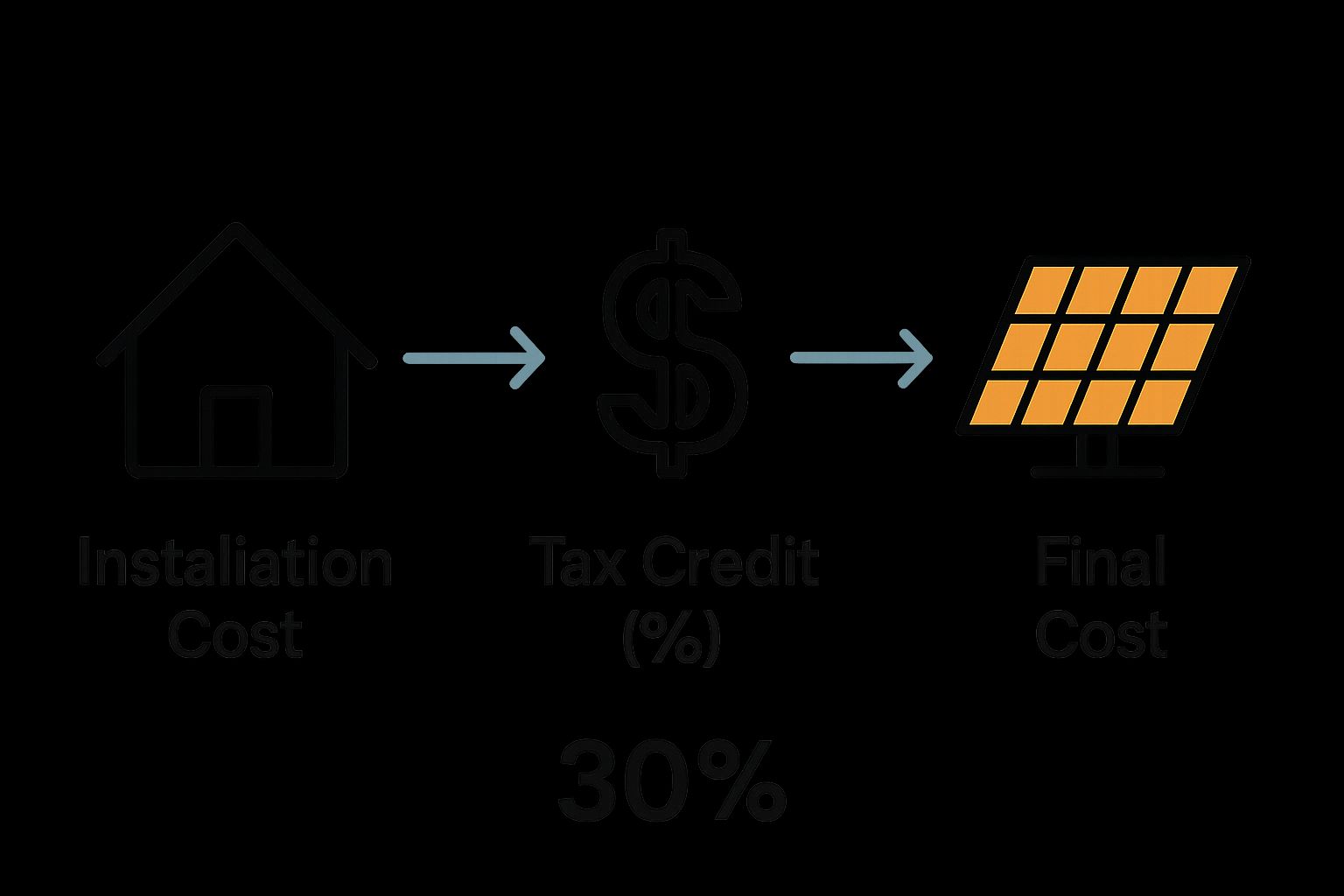
- Direct reduction of tax liability for solar investments
- Percentage based credit that scales with total installation expenses
- Applicability to both residential and commercial solar projects
- Annual adjustments to credit percentage
Economic Impact of Solar Tax Incentives
Tax benefits extend beyond immediate financial relief, creating a broader economic ecosystem that supports renewable energy infrastructure. These incentives strategically address multiple economic objectives, including:
- Stimulating technological innovation in solar energy
- Creating jobs in the renewable energy sector
- Reducing reliance on fossil fuel infrastructure
- Encouraging private sector investment in clean energy
By providing financial advantages, tax benefits effectively lower the economic threshold for solar adoption, transforming what was once considered an expensive alternative energy option into an increasingly accessible and attractive investment for average homeowners and businesses.
How Tax Incentives for Solar Panels Function
Tax incentives for solar panels provide complex financial mechanisms that transform renewable energy investments into strategic economic opportunities. Learn about commercial solar tax credit strategies helps illuminate the intricate ways these incentives support solar technology adoption.
Types of Solar Panel Tax Incentives
Solar panel tax incentives come in multiple forms, each designed to reduce the financial barriers to renewable energy implementation. These incentives operate through direct tax credits, deductions, and specialized government programs that offset installation and operational expenses. According to the Internal Revenue Service guidelines, these financial tools are structured to provide substantial economic relief for individuals and businesses investing in solar technology.
Key categories of solar tax incentives include:
- Federal Investment Tax Credit (ITC)
- State level renewable energy credits
- Property tax exemptions for solar installations
- Performance based incentive programs
Calculating and Claiming Solar Tax Benefits
The process of claiming solar tax benefits requires precise documentation and understanding of specific qualification criteria. Taxpayers must carefully track installation expenses, system specifications, and meet exact federal and state requirements to maximize their potential financial advantages.
Essential steps in claiming solar tax incentives involve:
- Maintaining detailed installation receipts and system documentation
- Understanding current federal and state tax credit percentages
By strategically navigating these incentive programs, homeowners and businesses can significantly reduce the overall cost of solar panel investments, transforming renewable energy from a premium option to an economically sensible choice.
The following table summarizes common types of solar panel tax incentives and what each offers to homeowners and businesses investing in solar setups.
| Incentive Type | Who Qualifies | Main Benefit | Notes |
|---|---|---|---|
| Federal Investment Tax Credit | Homeowners, businesses | Percentage of cost credited to taxes | ITC covers residential and commercial systems |
| State Renewable Energy Credits | Varies by state | Additional credits or rebates | Subject to state program rules |
| Property Tax Exemption | Homeowners, businesses | Excludes solar from property tax value | Not available in all areas |
| Performance-Based Incentives | Solar system owners | Payments for energy produced | Typically based on kilowatt-hours generated |
Key Concepts Surrounding Solar Tax Credits and Deductions
Solar tax credits and deductions represent sophisticated financial instruments designed to incentivize renewable energy investments. Discover more about solar energy benefits provides deeper insight into the comprehensive landscape of solar financial strategies.
Understanding Tax Credit Fundamentals
Tax credits differ significantly from standard tax deductions, offering a direct reduction in tax liability rather than simply lowering taxable income. According to research from the Database of State Incentives for Renewables and Efficiency, solar tax credits provide a dollar-for-dollar reduction in the amount of taxes owed, making them particularly valuable for renewable energy investors.
Key characteristics of solar tax credits include:
- Direct reduction of tax liability
- Percentage based calculation tied to total installation costs
- Potential carryover of unused credits to subsequent tax years
- Applicability across residential and commercial solar projects
Navigating Complex Tax Credit Regulations
The intricate nature of solar tax credits requires careful navigation of federal and state level regulations. Taxpayers must understand nuanced qualification criteria and documentation requirements to maximize their potential financial benefits. Solar tax credits typically involve comprehensive documentation, including:
- Detailed system installation receipts
- Professional assessment of solar system specifications
- Proof of system compliance with current federal and state regulations
- Accurate calculation of total system installation expenses
By comprehensively understanding these financial mechanisms, individuals and businesses can transform solar investments from complex financial decisions into strategic economic opportunities that provide substantial long-term benefits.
Below is a comparison table highlighting the main differences between solar tax credits and solar tax deductions to clarify how each affects your tax liability.
| Feature | Tax Credit | Tax Deduction |
|---|---|---|
| Impact on Taxes | Directly reduces total tax owed | Lowers taxable income |
| Calculation Basis | Percentage of installation cost | Amount spent on eligible expenses |
| Value | Dollar-for-dollar savings | Savings depend on tax bracket |
| Carryover Possibility | Many credits allow carryover to future years | Often only applied in current tax year |
| Applicability | Federal and, sometimes, state level | Primarily federal or state deductions |
Real-World Examples of Tax Benefits in Action
Practical scenarios demonstrate the tangible financial advantages of solar tax incentives across residential and commercial settings. How solar investments can transform your energy savings illuminates the real economic impact of these strategic renewable energy investments.
Residential Solar Tax Credit Scenarios
Homeowners can significantly reduce their solar installation expenses through targeted tax incentives. According to the Environmental Protection Agency’s green energy calculations, a typical residential solar system installation costing $20,000 could qualify for a substantial federal tax credit, effectively lowering the net system cost.
Example residential scenarios include:
- A $20,000 solar system qualifying for a 30% federal tax credit
- Potential tax credit reducing system cost to $14,000
- Additional state level incentives further lowering installation expenses
- Long-term energy savings complementing immediate tax benefits
Commercial Solar Investment Tax Strategies
Businesses leverage solar tax incentives as sophisticated financial planning tools that simultaneously reduce tax liability and demonstrate environmental responsibility. Commercial solar investments offer more complex but potentially more lucrative tax benefit structures.
Key commercial solar tax benefit strategies involve:
- Accelerated depreciation of solar equipment
- Substantial federal tax credits for large scale installations
- Potential state and local economic development incentives
- Energy efficiency grant programs complementing tax credits
By strategically implementing solar technologies, both individuals and organizations can transform renewable energy investments into powerful financial opportunities that provide immediate tax relief and long-term economic advantages.

Unlock Bigger Solar Savings With Trusted HTEXS Insights
Are you feeling overwhelmed by all the details around solar panel tax benefits and unsure how to actually maximize your savings? Many homeowners struggle to navigate credits, deductions, and eligibility. Questions around net metering, available incentives, and cost breakdowns often leave you wondering where to turn for clear answers. You want reliable advice and actionable steps, not more confusing jargon.


At HTEXS, we break down complex topics like solar panel tax benefits into simple, step-by-step guides. Our expert reviews and practical tips and techniques help you confidently optimize every dollar of your solar investment. Don’t miss out on financial advantages that could help you reach your clean energy goals faster. Visit HTEXS now to discover how you can start saving smarter today.
Frequently Asked Questions
What tax credits are available for solar panel installations?
The main tax credit available for solar panel installations is the Federal Investment Tax Credit (ITC), which allows you to deduct a percentage of your solar installation costs from your federal taxes. To benefit, keep detailed records of your installation expenses and apply for the credit when you file your annual tax return.
How do I calculate my solar tax credit?
To calculate your solar tax credit, multiply the total cost of your solar installation by the applicable percentage for that tax year. For example, if your system costs $20,000 and the tax credit is 30%, your tax credit would be $6,000.
Can I carry over unused solar tax credits to future years?
Yes, if your solar tax credit exceeds your tax liability for the year, you can typically carry over the unused portion to future years. Document all relevant expenses and consult your tax guidelines to understand how much you can roll over and when.
What documentation do I need to claim solar tax benefits?
To claim solar tax benefits, maintain detailed documentation, including installation receipts, system specifications, and proof of compliance with regulations. Gather these documents before tax season to expedite the claiming process.
Are there state-level solar tax incentives I should know about?
Many states offer additional incentives for solar panel installations, such as renewable energy credits or property tax exemptions. Research your state’s specific offerings to maximize your savings and ensure you take advantage of all available incentives.
How do I ensure I qualify for solar tax credits?
To qualify for solar tax credits, ensure your solar installation meets specific criteria set by tax regulations. Review the installation guidelines, keep accurate records of expenses, and consult with a tax professional if you have questions about your qualifications.
Recommended
- Understanding the Rooftop Solar Tax Credit for You – htexs.com
- Understanding the Commercial Solar Tax Credit Explained – htexs.com
- What to Know About Solar Panels: Understanding Their Impact – htexs.com
- Understanding the Solar Benefits: Harnessing Energy Power – htexs.com
- Solar Energy and Bills: What You Need to Know
- Understanding the Tax Implications of Investing – Finblog