



{
“@type”: “Article”,
“author”: {
“url”: “https://htexs.com”,
“name”: “Htexs”,
“@type”: “Organization”
},
“@context”: “https://schema.org”,
“headline”: “7 Examples of Sustainable Tech Transforming Everyday Life”,
“publisher”: {
“url”: “https://htexs.com”,
“name”: “Htexs”,
“@type”: “Organization”
},
“inLanguage”: “en”,
“articleBody”: “Discover 7 inspiring examples of sustainable tech, from solar panels to smart water systems, and learn how these innovations can shape a greener future.”,
“description”: “Discover 7 inspiring examples of sustainable tech, from solar panels to smart water systems, and learn how these innovations can shape a greener future.”,
“datePublished”: “2025-10-21T00:36:32.544Z”
}
Did you know that global household energy use accounts for around 20 percent of carbon emissions each year? As more people look for ways to cut costs and help the planet, new technologies are changing what sustainable living looks like at home. From solar panels slashing electricity bills to smart gadgets that save water and energy, simple upgrades now offer real power to reduce your footprint while improving comfort and savings.

Quick Summary
| Takeaway | Explanation |
|---|---|
| 1. Solar panels can offset up to 100% of home energy use. | Installing solar panels significantly reduces household electricity consumption, offering long-term savings and environmental benefits. |
| 2. Smart thermostats can save up to 15% on energy costs. | These devices optimize heating and cooling based on occupancy and patterns, lowering energy bills while minimizing carbon footprints. |
| 3. LED lighting reduces energy use by up to 90%. | Transitioning to LED bulbs not only saves electricity but also lasts significantly longer, lowering overall lighting costs. |
| 4. Biodegradable electronics minimize electronic waste. | These innovative devices break down naturally, reducing the environmental impact associated with traditional electronic waste. |
| 5. Smart irrigation systems can cut water use by 50%. | Utilizing advanced technology, these systems ensure precise watering, optimizing both water conservation and agricultural productivity. |
Table of Contents
- Solar Panels For Clean Home Energy
- Smart Thermostats Reducing Carbon Footprint
- Electric Vehicles And Efficient Charging
- LED Lighting For Energy Savings
- Biodegradable Consumer Electronics
- Water-Saving Smart Irrigation Systems
- Wind Turbines For Local Power Generation
1. Solar Panels for Clean Home Energy
Transforming your home into an energy powerhouse while helping the planet is no longer a distant dream but a practical reality with solar panels. These innovative technologies are revolutionizing how homeowners generate and consume electricity, offering a sustainable solution that simultaneously reduces energy bills and minimizes carbon footprints.
Solar panels work by converting sunlight directly into electricity through photovoltaic cells, which capture solar radiation and transform it into usable power for your household. Modern solar technology has become incredibly efficient, with panels capable of generating significant electricity even in regions with moderate sunlight. Residential solar systems can now offset 70 to 100 percent of a home’s total electricity consumption, making them an attractive investment for environmentally conscious homeowners.
According to a groundbreaking UK study, installing rooftop solar panels could reduce energy bills by about 24% for low income households, potentially saving up to £440 annually. This not only provides financial relief but also contributes to broader electricity system decarbonization efforts.
Implementing solar panels involves several strategic considerations:
- Assessment of Roof Suitability: Evaluate your roof’s orientation, angle, and sun exposure
- Professional Installation: Work with certified solar installers for optimal system design
- Understanding Local Regulations: Check municipal guidelines and potential tax incentives
- Exploring Financing Options: Investigate solar loans, leasing programs, and government rebates
The long term benefits extend far beyond immediate cost savings. By generating clean renewable energy, you actively participate in reducing greenhouse gas emissions and supporting global sustainability initiatives. Modern solar panel systems are designed to be durable, with most manufacturers offering 25 year performance warranties, ensuring a reliable and consistent energy source for your home.
Whether you’re motivated by environmental consciousness, financial savings, or energy independence, solar panels represent a transformative technology that empowers homeowners to take control of their energy consumption while contributing to a cleaner, more sustainable future.
2. Smart Thermostats Reducing Carbon Footprint
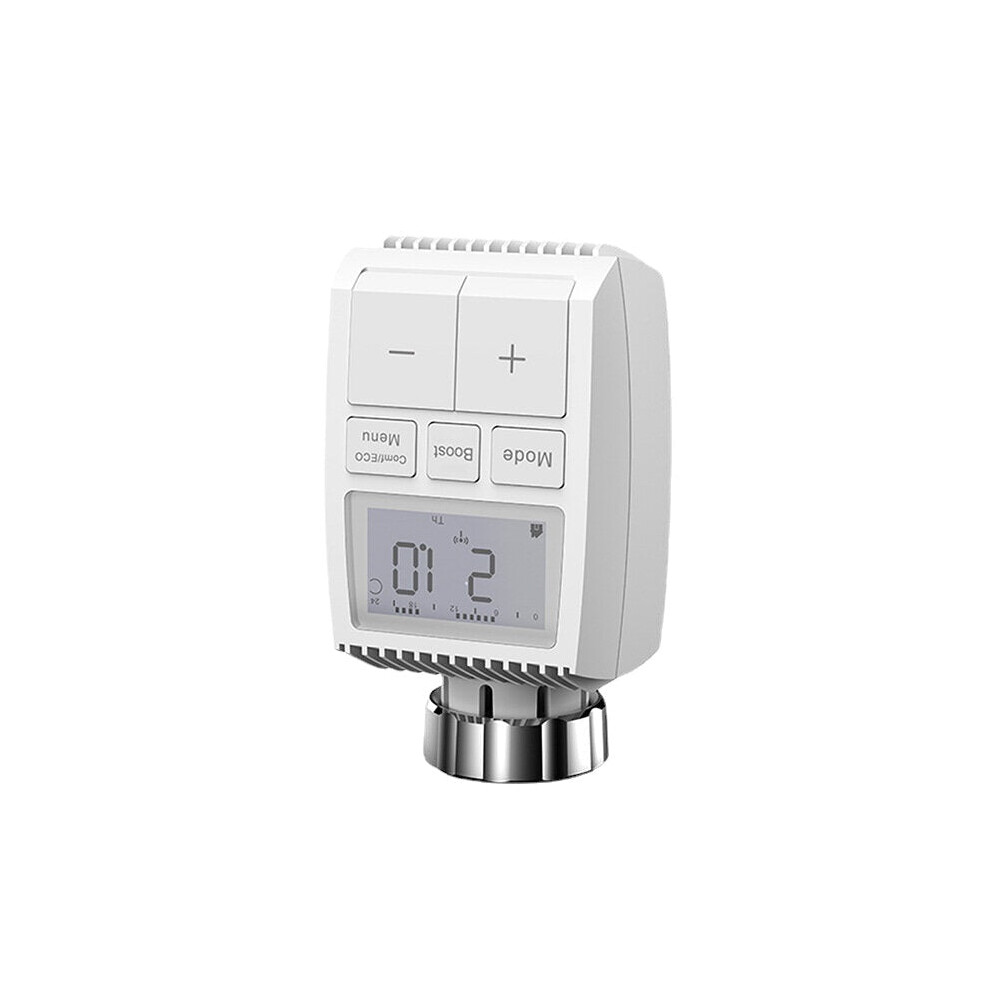
Smart thermostats represent a powerful technological solution for reducing home energy consumption and minimizing individual carbon footprints. These intelligent devices go far beyond traditional temperature controls, leveraging advanced algorithms and sensor technology to optimize heating and cooling with unprecedented precision.
How Smart Thermostats Work
Traditional thermostats operate on fixed schedules that often waste energy heating or cooling empty spaces. Smart thermostats revolutionize this approach by using real time data and AI driven optimization to adjust temperatures based on occupancy, weather conditions, and individual household patterns. They learn your preferences, automatically adjust settings, and can be controlled remotely through smartphone apps.
According to research from our guide to energy efficient gadgets, smart HVAC systems can dramatically reduce energy waste by intelligently managing home temperatures. These systems analyze multiple data points to create personalized energy profiles that minimize unnecessary consumption.
The financial and environmental benefits are substantial:
- Potential Energy Savings: Up to 15% on heating and cooling costs
- Carbon Emission Reduction: Significantly lower household greenhouse gas output
- Government Incentives: Tax credits and rebates supporting energy efficient upgrades
Under the US Inflation Reduction Act, homeowners can receive up to 30% tax credits for installing energy efficient technologies, making smart thermostats not just an environmental choice but a financially smart investment. These devices typically pay for themselves within 2 to 3 years through accumulated energy savings.
Implementing a smart thermostat involves selecting a model compatible with your existing HVAC system and home setup. Most modern systems integrate seamlessly with wifi networks and can be controlled via smartphone apps, allowing real time temperature adjustments and comprehensive energy usage tracking.
By embracing smart thermostat technology, you are not just reducing your energy bills but actively participating in a global movement towards more sustainable and environmentally responsible living. Each degree of optimized temperature represents a meaningful step towards combating climate change and creating a more energy efficient future.
3. Electric Vehicles and Efficient Charging
Electric vehicles represent a transformative technology in our journey toward sustainable transportation, with charging infrastructure rapidly evolving to make electric mobility more practical and accessible than ever before. The days of range anxiety and lengthy charging times are quickly becoming a thing of the past.
How Electric Vehicle Charging Works
Modern electric vehicles leverage sophisticated charging technologies that dramatically improve efficiency and convenience. Recent innovations have pushed the boundaries of what was previously thought possible. According to global reports, our guide to net zero living highlights the incredible progress in EV charging infrastructure.
Innovative manufacturers like Chinese EV maker BYD are pioneering ultra fast charging technologies that can recharge vehicles in just five to eight minutes—comparable to traditional gasoline refueling times. This breakthrough addresses one of the primary barriers to widespread electric vehicle adoption.
Key advantages of modern electric vehicle charging include:
- Rapid Charging Speeds: Ultra fast chargers reducing wait times
- Growing Infrastructure: Expanding global charging networks
- Lower Environmental Impact: Significant reduction in carbon emissions
Global charging infrastructure has experienced remarkable growth. In 2024, fast charging points worldwide exceeded 2 million, with ultra fast chargers growing over 50% particularly in regions like China and Europe. This expansion makes electric vehicles increasingly practical for everyday use.
Practical considerations for potential EV owners include understanding local charging networks, home charging options, and planning for longer trips. Many modern electric vehicles now come with sophisticated onboard systems that help drivers locate charging stations and optimize charging strategies.
By embracing electric vehicle technology, you are not just adopting a mode of transportation but participating in a global movement toward cleaner, more sustainable mobility. Each mile driven on electric power represents a meaningful step toward reducing our collective carbon footprint and creating a more environmentally responsible future.
4. LED Lighting for Energy Savings
LED lighting represents a groundbreaking technology that is revolutionizing how we illuminate our homes, offices, and public spaces while dramatically reducing energy consumption. These remarkable light sources have transformed from a niche technology to a mainstream solution for sustainable lighting across the globe.
Understanding LED Technology
Light Emitting Diodes (LEDs) are semiconductor devices that produce light through an incredibly efficient process compared to traditional incandescent and fluorescent bulbs. Our guide to energy efficiency highlights the remarkable potential of LED technology in reducing overall energy consumption.
The global lighting market has witnessed a remarkable transformation, with LED lighting accounting for over 60% of market share in 2022. These innovative light sources offer extraordinary benefits that extend far beyond simple illumination. LEDs deliver up to 75% energy savings compared to traditional incandescent bulbs and can operate for an impressive 25,000 hours or more.
Key advantages of LED lighting include:
- Massive Energy Savings: Up to 80 90% reduction in energy consumption
- Extended Lifespan: Significantly longer operational duration
- Lower Environmental Impact: Reduced carbon emissions and waste
International policy efforts are actively pushing towards 100% LED lighting sales by 2025, recognizing their immense potential in combating climate change. Street lighting represents a prime example where LED technology can create substantial environmental benefits, reducing energy consumption by up to 50% while providing superior illumination.
For homeowners and businesses looking to adopt LED technology, the process is straightforward. Start by gradually replacing existing bulbs with LED alternatives, focusing first on areas with the most frequent usage. Many modern LED bulbs now integrate smart controls, allowing for even more precise energy management through smartphone apps and automated scheduling.
By embracing LED lighting, you are not just saving on electricity bills but actively participating in a global movement towards more sustainable and efficient energy consumption. Each LED bulb represents a small yet significant step towards reducing our collective carbon footprint and creating a more environmentally responsible future.
5. Biodegradable Consumer Electronics
The electronics industry is undergoing a remarkable transformation with the emergence of biodegradable consumer devices that promise to revolutionize how we think about technology waste. These innovative materials offer a sustainable alternative to traditional electronic components that typically take hundreds of years to decompose.

The Science Behind Biodegradable Electronics
Biodegradable electronics leverage advanced materials like polylactic acid (PLA), silk fibroin, and cellulose to create electronic components that can naturally break down after their useful life. Our guide to smart tech solutions highlights the incredible potential of these emerging technologies in reducing environmental impact.
Recent market analysis reveals a rapid growth trajectory for biodegradable electronics, driven by increasing demand for eco friendly consumer devices. Researchers are developing innovative solutions that can transform entire electronic ecosystems from packaging to circuit boards, creating components that are both functional and environmentally responsible.
Key advantages of biodegradable electronics include:
- Reduced Electronic Waste: Components that naturally decompose
- Sustainable Materials: Using renewable resources for manufacturing
- Lower Environmental Impact: Minimizing long term ecological damage
The technological breakthrough extends beyond simple disposal. Cutting edge research demonstrates that these materials can be engineered to have specific lifespans temporary sensors, medical devices, and other applications that require limited operational periods. This means electronics can be designed to literally disappear after completing their intended function.
Europe and Asia are currently leading the innovation landscape, with significant investments in research and development. Market projections suggest a substantial growth in biodegradable electronics manufacturing, indicating a promising future for sustainable technology.
For consumers interested in supporting this technological revolution, the path forward involves being conscious of product materials, supporting manufacturers committed to sustainable practices, and understanding the environmental impact of electronic consumption. Each biodegradable electronic device represents a small but significant step toward a more sustainable technological future.
6. Water-Saving Smart Irrigation Systems
Smart irrigation systems represent a technological revolution in water conservation, transforming how we approach landscape and agricultural watering with precision and efficiency. These intelligent systems leverage advanced sensors, weather data, and machine learning to deliver exactly the right amount of water where and when it is needed.
How Smart Irrigation Technology Works

Traditional irrigation methods often result in significant water waste through overwatering or inefficient distribution. Modern smart irrigation technologies solve this problem by utilizing soil moisture sensors that continuously monitor ground conditions and plant water requirements.
Recent studies demonstrate the remarkable potential of these systems. In arid agricultural regions, solar powered smart irrigation technologies have shown impressive results reducing water consumption by approximately 30% and energy use by 40% while simultaneously increasing crop yields by 1.8 tonnes per hectare.
Key advantages of smart irrigation systems include:
- Precise Water Delivery: Targeting plant root zones directly
- Reduced Water Consumption: 20 50% less water than traditional methods
- Automated Monitoring: Real time adjustments based on environmental conditions
Micro irrigation technologies such as drip and targeted sprinkler systems represent the cutting edge of water conservation. These systems deliver water directly to plant roots, minimizing evaporation and ensuring maximum efficiency. Homeowners and agricultural professionals can now monitor and control irrigation through smartphone apps, receiving instant updates and making remote adjustments.
Implementing a smart irrigation system involves assessing your specific landscape needs, selecting appropriate sensors, and integrating weather prediction technologies. Many modern systems can connect with local weather forecasts to automatically adjust watering schedules, preventing unnecessary irrigation during rainfall or adjusting for temperature variations.
By embracing smart irrigation technologies, you are not just saving water but contributing to a more sustainable approach to landscaping and agriculture. Each drop of water conserved represents a meaningful step toward addressing global water scarcity challenges and creating more resilient environmental systems.
7. Wind Turbines for Local Power Generation
Local wind turbine technologies are revolutionizing how communities generate and consume renewable energy, transforming ordinary neighborhoods into dynamic power production centers. These innovative systems offer a decentralized approach to electricity generation that empowers individuals and communities to take control of their energy future.
Understanding Community Wind Energy
Wind turbines capture kinetic energy from atmospheric movement, converting wind into clean electrical power through sophisticated blade and generator mechanisms. Our guide to net zero homes explores how local renewable technologies are reshaping community energy landscapes.
Community scale wind projects represent more than just technological innovation they are a collaborative approach to sustainable energy production. These initiatives allow multiple households or local organizations to share renewable energy infrastructure, making clean power generation accessible even in areas where individual installations might be challenging or cost prohibitive.
Key advantages of local wind turbine systems include:
- Decentralized Energy Production: Reducing dependence on traditional grid systems
- Lower Electricity Costs: Shared infrastructure reducing individual energy expenses
- Community Resilience: Enhanced energy independence and security
Implementing community wind projects requires strategic planning and collaboration. Local governments, energy cooperatives, and community groups can work together to identify suitable locations, secure funding, and navigate regulatory requirements. Many regions offer incentives and grants to support renewable energy initiatives, making these projects increasingly viable.
The potential impact extends beyond individual communities. By generating clean electricity locally, these wind turbine systems help reduce carbon emissions, support regional energy independence, and create a more sustainable infrastructure. Each turbine represents a tangible step toward a more resilient and environmentally responsible energy ecosystem.
For individuals interested in supporting local wind energy, options include joining community renewable energy cooperatives, advocating for local wind projects, and supporting policies that encourage decentralized energy generation. Your participation can help transform how we think about and produce electrical power.
Below is a comprehensive table summarizing the key technologies and their impacts discussed throughout the article.
| Technology | Description | Benefits |
|---|---|---|
| Solar Panels | Convert sunlight into electricity using photovoltaic cells. | Reduce energy bills; Offset 70-100% of energy use; Lower carbon footprint. |
| Smart Thermostats | Use AI to optimize heating and cooling based on real-time data. | Up to 15% energy savings; Reduced carbon emissions; Tax incentives. |
| Electric Vehicles | Utilize efficient charging technologies for sustainable transport. | Fast charging; Lower emissions; Expanding infrastructure. |
| LED Lighting | Energy-efficient lighting technology. | 80-90% energy savings; Extended lifespan; Lower environmental impact. |
| Biodegradable Electronics | Use materials that decompose naturally. | Reduced electronic waste; Sustainable production; Lower ecological damage. |
| Smart Irrigation Systems | Advanced sensors and AI optimize water usage. | 20-50% water savings; Increased crop yields; Automated monitoring. |
| Wind Turbines | Convert kinetic energy from wind into electricity. | Decentralized energy production; Lower costs; Community resilience. |
Take Charge of Your Sustainable Tech Journey Today
Tired of rising energy costs, device waste, or feeling overwhelmed by the pace of tech change? This article has shown how solar panels, smart thermostats, electric vehicles, and sustainable gadgets are not just trends but real solutions driving greener living. Whether you want to lower your energy bills, reduce your carbon footprint, or upgrade your home with smarter devices, finding the right technology can feel confusing and risky.
Discover practical tips and techniques that make choosing and using sustainable tech simple and effective. Get clear, honest insights that relate directly to the innovations covered above.

Ready to put these ideas into action? Visit HTEXS for expert product reviews and easy-to-follow how-to guides on solar home systems, eco-friendly gadgets, and more. Don’t wait to transform your daily life with smarter, greener solutions. Start building your sustainable future now.
Frequently Asked Questions
How do solar panels work to generate clean energy at home?
Solar panels convert sunlight into electricity using photovoltaic cells. To get started, evaluate your roof’s suitability and contact a certified installer to design a system that meets your energy needs.
What are the financial benefits of installing a smart thermostat?
Smart thermostats can potentially save you up to 15% on heating and cooling costs, making them a financially wise choice. Begin by selecting a model compatible with your HVAC system to start enjoying these savings within 2 to 3 years.
How can I implement a smart irrigation system for my garden?
Smart irrigation systems use soil moisture sensors to optimize watering, reducing water consumption by 20% to 50%. Start by assessing your watering needs and choose appropriate sensors to enhance water efficiency in your landscape.
What steps should I take to support biodegradable consumer electronics?
Look for products made with biodegradable materials and support manufacturers committed to sustainable practices. By choosing biodegradable electronics, you can significantly reduce electronic waste and contribute to a cleaner environment.
How can I participate in local wind energy initiatives?
You can join or advocate for community renewable energy cooperatives that focus on wind energy projects. Collaborating with local groups can enhance energy independence and resilience while making a positive impact on your community’s energy landscape.
What advantages do LED lights offer for energy savings?
LED lighting can reduce energy consumption by up to 80-90% compared to traditional bulbs, offering both significant savings and longer lifespan. Start by replacing your most frequently used bulbs with LEDs to experience reduced electricity bills immediately.
Recommended
- 7 Smart Ways to Save with Tech: Practical Tips for Everyone – htexs.com
- 7 Essential Gadgets for Net-Zero Homes: A Practical Guide – htexs.com
- Boosting Our Workflow: The Productivity Revolution of AI Earbuds – htexs.com