Transforming Your living Space: The Easiest Way to Start Automating Your Home in 2026
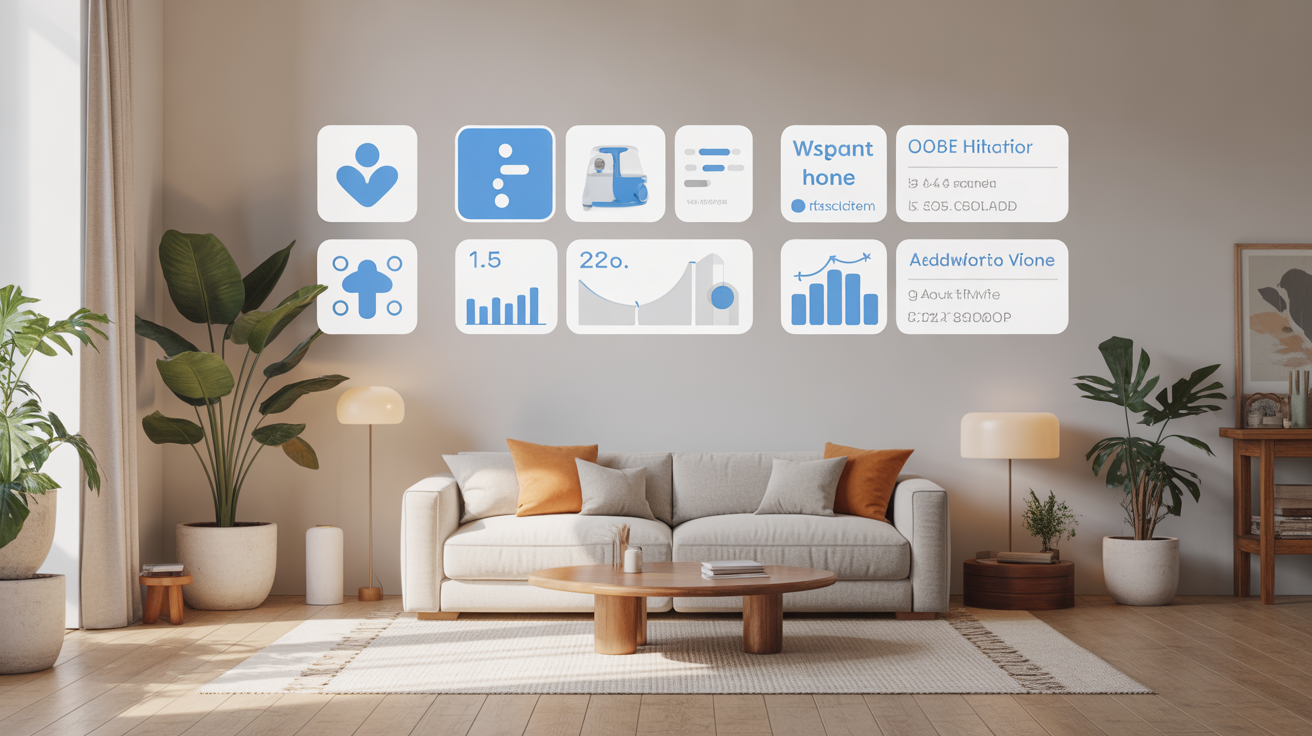
As we step into 2026, the landscape of home automation is not just evolving; it’s exploding with possibilities. The nascent technology has moved from the exclusive realm of tech enthusiasts to a widespread reality, making it accessible for anyone keen on enhancing the comfort and efficiency of their living spaces. Home automation, once a luxury, has emerged as a vital component of modern living, empowering individuals to control their environments with a simple voice command or a quick tap on a mobile application. This article delves into the most user-friendly, futuristic approaches to incorporating automation into your home effortlessly and effectively.
Understanding the Home Automation Landscape
Home automation encompasses a myriad of technologies that interconnect devices to offer seamless control and enhance the daily routines of occupants. This can range from smart lighting and temperature regulation to security systems and entertainment resources, aiming to increase convenience while minimizing energy consumption.As technology continues to advance at a breakneck pace, understanding the existing barriers and the innovative solutions on the horizon is crucial for anyone looking to automate their household.
The Home Automation Ecosystem
The foundation of home automation lies in the Internet of Things (IoT), a burgeoning network of interconnected devices that can communicate with each other through the cloud. This interconnectedness allows for a greater degree of control and customization. Smart speakers, thermostats, and lighting systems represent just the tip of the iceberg. The key to integration lies in ensuring compatibility between the various devices. Platforms like SmartThings, Apple HomeKit, and Google Home serve as home automation hubs, facilitating smooth inter-device communication.
Key Drivers of Home Automation Adoption
Several factors contribute to the accelerating adoption of home automation technologies.Enhanced energy efficiency, improved home security, and increasing consumer awareness regarding smart technologies are important drivers. furthermore, manufacturers continue to innovate, making devices that are not only smarter but also more intuitive and user-friendly. As such, consumers are increasingly likely to invest in systems that promise to simplify their lives while providing significant savings on utility costs.
Identifying Entry-Level Automation Solutions
Many consumers hesitate to dive into home automation, often intimidated by perceived complexity. Fortunately,2026 offers a plethora of user-friendly solutions. The entrance to home automation doesn’t require a massive up-front investment; many effective systems can be implemented incrementally. Below are some of the most straightforward methods to initiate the automation journey:
Smart Lighting Systems
Transforming the ambiance of your home can be as simple as switching to smart bulbs. These devices are typically affordable, easy to install, and compatible with a variety of platforms. Smart lighting can be programmed to gradually increase in brightness during wake-up time or adapt based on your home’s activity patterns, thereby enhancing both comfort and energy efficiency.
Smart Thermostats
Smart thermostats stand as one of the most impactful investments in home automation. Brands such as Nest and Ecobee offer intuitive controls tailored to household habits, enabling users to optimize heating and cooling based on real-time occupancy and preferences. Moreover, many of these devices provide remote access via mobile apps, allowing homeowners to adjust settings from anywhere, thereby ensuring comfort without excessive energy expenses.
Security Automation: Peace of Mind at Your Fingertips
With safety being a paramount concern for every homeowner, integrating security systems into your home automation setup is both a smart and necessary step. Automated security systems provide real-time notifications, allowing homeowners to monitor their properties without being physically present.
Smart Cameras and Doorbell Systems
Smart cameras and doorbell systems such as Ring or Arlo offer crystal-clear video feeds and motion detection alerts. Homeowners can monitor entries and exits in real-time from their smartphones, providing both security and convenience. Many systems also allow for two-way communication, letting users interact with visitors even when they’re away, thus possibly deterring intruders.
Integration with Local Law Enforcement
As technology evolves, many security systems now offer integration with local law enforcement, enabling faster response times in emergencies.Homeowners can set their systems to automatically alert authorities when suspicious activity is detected, taking the worry out of monitoring personal security.
Voice Control: The Heart of Home Automation
Voice control technology has transformed how we interact with our devices, making the management of a smart home seamless. Virtual assistants such as Amazon Alexa, Google Assistant, and Apple Siri have become integral to home automation, allowing users to control lighting, temperature, and even security features by simply speaking.
Creating a Voice-Controlled Ecosystem
Establishing a voice-controlled ecosystem involves ensuring compatibility among devices. Start with a reliable smart speaker that serves as the control hub, and expand by incorporating devices from compatible brands. This not only streamlines your setup but also enhances the overall efficiency and functionality of your smart home.
Common Pitfalls to Avoid
One of the common missteps in home automation is not considering compatibility before purchasing devices.Always ensure that devices can communicate through the same platform to avoid frustrating experiences with connectivity.Additionally, maintaining a user-friendly interface is crucial, as overly complex setups can lead users to abandon automation altogether.

Future Trends in Home Automation
The home automation market will undoubtedly continue to evolve with emerging trends. Innovations such as adaptive AI and advanced sensors are on the horizon, providing users with more personalized and efficient solutions. Home automation will not only be about convenience; it will become a primary player in energy conservation and enduring living.
Decentralized Automation with Edge Computing
One of the most significant future trends involves the decentralization of control through edge computing. This method benefits users by processing data on local devices rather than needing constant cloud communication. This not only improves response times but increases privacy and security, as data is less exposed to potential breaches when it doesn’t have to travel through external channels.
AI and Machine Learning Integration
AI and machine learning technologies promise to take home automation to unforeseen levels of personalization. Devices capable of learning user preferences will make automated adjustments based on past behavior, resulting in a system that feels intuitively responsive. Consider how smart curtains could adjust based on the time of day, weather conditions, and even nearby activity.
The Practical Application of Automation today
As we look to 2026, it’s essential to understand how existing technologies can streamline and enhance daily living. The practical applications of home automation extend beyond the fanciful ideas frequently enough portrayed in media, offering measurable benefits that can improve quality of life considerably.
Automating Daily Routines
Consider how integrating automation into daily functions can simplify life. Routine activities, such as watering indoor plants or managing home entertainment systems, can be scheduled via mobile applications. This not only saves time but also eliminates the stress associated with remembering these tasks in our busy lives.
Energy Management
The smart management of energy resources can noticeably lower household bills. Automated schedules for lights and thermostats help ensure that systems are not running unnecessarily. Likewise, the introduction of smart power strips can prevent energy loss from devices that remain on standby, thereby contributing to substantial cost savings over time.
real-world settings” style=”border-radius:12px;max-width:100%;height:auto;”>Getting Started: A Step-by-Step Guide
Embarking on your home automation journey need not be overwhelming. By adhering to a structured approach,you can gradually introduce automation systems to your home. Below, we outline a straightforward method to kickstart your automation journey.
Step 1: Assessment of Needs
Begin your journey by assessing what aspects of your home you wish to automate. Are you more concerned with security, energy management, or enhancing convenience? This assessment will guide the selection of devices that meet your specific requirements.
Step 2: Research and Selection
Once you have identified your primary needs,research market offerings that cater to those specific requirements.Look for reputable brands, check compatibility within your chosen ecosystem, and read reviews to ensure customer satisfaction.
Step 3: Gradual Implementation
Begin with one or two devices, gradually expanding your setup as you become more pleasant with the technology. This phased approach helps simplify learning curves and allows you to understand the overall ecosystem better.
In Closing: The Future Awaits
The year 2026 is set to be an exhilarating time for home automation, offering unprecedented levels of control and convenience. By leveraging the insights and technologies available today, homeowners can transform their living spaces into responsive environments tailored to their lifestyles. While the journey into automation may seem daunting, starting with accessible solutions will not only yield immediate benefits but also pave the way for a more connected, efficient, and enjoyable home life in the future.