: Advanced Guide for Tech Professionals
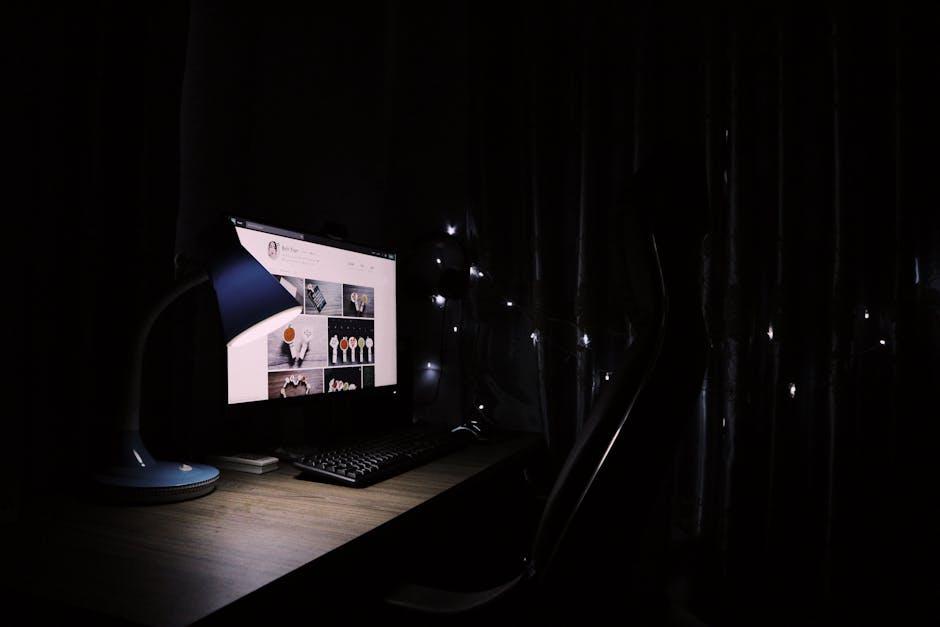
Working into the late hours is a crucial routine for developers, engineers, and design experts who thrive on innovation and precision. The right desk lamp is no mere accessory—it is indeed the foundation of sustaining focus, reducing fatigue, and fostering creativity during those nocturnal coding sessions or digital design sprints. This deep dive will explore the best desk lamps engineered for late-night design work, dissecting critical features and reviewing market-leading products while contextualizing their role in optimizing human-computer interaction.
Optimizing Desk Lighting for Complex Design Tasks: Why It Matters
The Neuroscience of Light and Cognitive Performance
Scientific studies confirm that exposure to the correct lighting spectrum and intensity can directly influence circadian rhythms, alertness, and cognitive function. Cool white LEDs with a color temperature around 4000-5000K are best suited for workspaces needing heightened concentration, as they simulate daylight and reduce the secretion of melatonin, the sleep-inducing hormone. This alignment is vital for designers and developers who demand sustained peak mental acuity during late-night sessions. According to research published by the National Institutes of Health,blue-enriched white light boosts attention and reaction times dramatically.
Visual Ergonomics for Design Precision
Prolonged exposure to suboptimal lighting often results in eye strain, headaches, and reduced visual acuity. Proper desk lamps employ diffusers and adjustable settings to strike the perfect balance between brightness and glare suppression. Ensuring your lamp meets ergonomic standards means fewer disruptions, lower fatigue, and an uninterrupted creative workflow—essential KPIs for rigorous design projects.
Essential Features in Desk lamps Tailored for Late-Night Design Work
Color Temperature and CRI (color Rendering Index) Explained
Color temperature, measured in kelvins (K), profoundly affects how colors appear under the lamp’s light. For design professionals, a Color Rendering Index (CRI) above 90 is ideal since it represents true-to-life color accuracy, crucial in digital design, product prototyping, and UI/UX evaluations. Lamps that combine a tunable temperature range with a high CRI enable designers to simulate daylight conditions and tailor light to different tasks.
Adjustability: Angles, Brightness, and heat Management
Flexibility is paramount. Tech-centric desk lamps typically offer multi-axis adjustability including tilt, swivel, and height extension to direct light precisely where needed without casting shadows on your work surface. Brightness controls should feature seamless dimming—a soft ramp down/up in lux—helping transition from intense focus to relaxation. Additionally, efficient heat dissipation ensures long usage sessions without discomfort or hardware deterioration.
Connectivity and Smart Controls
With IoT integrations proliferating, many premium desk lamps now support smart home ecosystems and app-based customization. Features such as scheduling, circadian rhythm syncing, and voice activation streamline illumination management within a developer’s multi-device surroundings. Several models integrate with platforms like Amazon Alexa or Google Assistant,while others feature dedicated apps supporting presets crafted for coding,designing,or reading.
Material Quality and Aesthetic: Balancing Form with Function
Durability in High-Use Environments
Designers and engineers demand equipment that lasts. Lamps composed of aerospace-grade aluminum or reinforced polymers offer rigidity blended with striking industrial design. Premium lamps often feature anodized finishes to resist scratches and corrosion, aligned with the tonal accents of modern tech desks laden with multiple displays and peripherals.
Visual and UX Harmony in Modern Workspaces
The lamp’s physical design needs to complement both minimalist and maximalist setups without adding clutter or visual noise. Angular, modular forms with matte or brushed finishes augment contemporary interiors while avoiding chromatic clashes enabled by smart LED color tuning. This dual function—lighting and workspace ornamentation—reinforces productivity through psychological impact and environmental cues.
Top Performing Desk Lamps Reviewed for Nighttime Design Efficiency
BenQ e-Reading LED Desk Lamp: The Productivity Powerhouse
Crafted with designers in mind, the BenQ e-Reading LED features a wide lighting coverage area of 35 inches with auto-dimming sensors adapting precisely to ambient light. Its high CRI (95) guarantees authentic color display critical during graphic and product design. The digital touchscreen interface provides easy access to four lighting modes aligned with coding, designing, browsing, and reading needs. Notably, it integrates an ambient light sensor to constantly adjust brightness without distracting blue light spikes.
Dyson Lightcycle Morph: Engineering Elegance
The Dyson Lightcycle Morph stands out with its dynamic color temperature adjustment tailored to geographic location and time of day,syncing perfectly with natural circadian rhythms. Engineering details such as an OLED display, heat pipe cooling, and 2500 lumens output deliver unparalleled performance in high-detail CAD work and prototyping. Its adaptable arm structure supports extensive ergonomic positioning, making it a top proposal for engineers and researchers engaging in precision tasks.
philips Hue Beyond: Smart Lighting Meets Aesthetic Flexibility
Philips Hue Beyond incorporates RGB and tunable whites, controlled by a robust ecosystem of apps and voice assistants. It excels for UI/UX and digital artists who benefit from rapid theme changes between warm ambient lighting for brainstorming and cool white to inspect designs.The build quality and modular lamp head system enable multifaceted lighting setups, ideal for multi-monitor desks and hybrid workstations.
Ergonomic Positioning and Eye Health Techniques While Working Late
desk Lamp Placement: Minimizing Shadow and Glare
Correct desk lamp placement should avoid casting shadows directly onto the work surface, a common cause of eye strain. For right-handed users, placing lamps on the left side is beneficial to keep the hand’s shadow off the drawn or typed area, and vice versa.Position lamps about 15 to 24 inches above the desk surface, using adjustable arms to fine-tune light projection, enabling indirect or diffused lighting that minimizes contrast between screen and paper.
Regular Light Intensity Breaks to Prevent Visual Fatigue
Adopt the “20-20-20” rule augmented by smart lamp timers: every 20 minutes, look 20 feet away for 20 seconds, while gradually reducing lamp brightness to give eyes regular rest periods without plunging into darkness. this subtle modulation of workspace lighting tracked via smart apps promotes ocular comfort without interrupting flow.
Material & Sustainability Considerations in Desk Lamp Production
Eco-Friendly LEDs and Energy Consumption
The shift towards sustainable LEDs in the lighting industry benefits both environmental impact and operating costs. Efficient lamps consume as little as 5–10 watts compared to traditional incandescent alternatives exceeding 40W. Scalable technology architectures in premium lamps enable dimming without inefficient power draw loss, critical for 24/7 operational workstations.
Recyclable and Modular Design for Extended Longevity
Top-tier manufacturers are adopting modular lamp components facilitating repair over replacement, which aligns with green design principles. Materials like anodized aluminum and recyclable plastics increase product lifespans,reduce landfill waste,and reflect brand duty in environmental stewardship.

Smart Lamp ecosystems and Integration for Developer Workflows
Synchronizing Lighting with Software Development Cycles
Integrations via APIs for lamps like Philips Hue and LIFX enable developers to automate lighting based on work states. For instance, code compilation triggers or error detection alerts can increase lamp brightness or change light tones, stimulating alertness. Developers can leverage these integrations to better contextualize environment cues, boosting responsiveness and engagement with complex debugging tasks. Open-source platforms such as LIFX API empower this custom automation.
Cross-Platform Control and Data Analytics
By embedding IoT sensors within smart lamps, organizations can collect workspace occupancy and energy consumption metrics, feeding dashboards used for optimizing office design. Researchers at IBM Research have piloted systems tracking and adapting light intensity to maximize worker productivity while minimizing energy consumption—practices transferrable to home office setups favored by developers and founders.
Budgeting for High-Quality Desk Lamps: What to Expect
Cost Vs. Feature Tradeoffs
basic LED desk lamps begin around $30-$50 and generally provide fixed color temperature and brightness settings. Mid-tier lamps in the $100-$200 range begin to combine adjustable color temperatures, high CRI ratings, and ergonomic design. Premium systems exceeding $300, such as the Dyson Lightcycle Morph, offer advanced circadian adjustments, smart home compatibility, and superior material build quality. Evaluating your specific late-night design workload against these tiers assists in a calculated investment.
Longevity and Warranty Considerations
High-end lamps typically feature warranties from 2 to 5 years, reflecting manufacturer confidence in LED lifespan (up to 50,000 hours) and build robustness. Extended warranties are a useful indicator of product reliability in critical work environments where tool replacement costs productivity time.
Lamps aren’t just light sources; they are productivity catalysts.In precision design and demanding developer workflows, well-engineered illumination harmonizes human factors, technology, and psychology to redefine creative efficiency after sunset.
Maintenance and Upgrades: Extending Your Desk Lamp’s Lifecycle
Cleaning, Bulb Replacement, and Calibration
Routine maintenance includes dusting lamp surfaces, especially diffusers, and checking for flickering or brightness drops indicative of impending LED failure in non-integrated models. For smart lamps, periodic calibration through app updates or manual resets ensures color fidelity remains at peak performance.
Leveraging Firmware Updates for Added Features
Manufacturers like Philips and Dyson frequently release firmware patches enhancing lamp behavior or fixing bugs. enabling automatic updates safeguards functionality and unlocks new usability modes without additional hardware investment—a key advantage for tech-savvy users.
Building Your Ideal Late-Night Desk Lighting Setup: A Checklist
Key Considerations Before Purchase
- Determine the primary work task (UI design, CAD, coding) to select appropriate CRI and color temp.
- Assess desk space and ergonomics for lamp adjustability and footprint.
- Review compatibility with existing smart home or office automation systems.
- Consider budget and brand reputation with focus on warranty service and customer support.
- Evaluate sustainability goals related to material and power consumption.
Post-Setup: Monitoring and Adjusting for Comfort
- Regularly customize brightness and color temperature for time-of-day changes.
- Utilize app analytics if available for optimizing lighting schedules based on usage patterns.
- Engage in routine eye health practices supported by smart lamp timers.
- Upgrade firmware and check modular components annually for peak performance.
Future Trends in Desk Lamp Technology for Nighttime Designers
Advanced Human-Centric Lighting (HCL) Innovations
Emerging HCL solutions leverage AI to learn individual circadian preferences, adjusting spectra and intensity in real-time to maintain cognitive peak and emotional wellbeing. Researchers from arXiv have demonstrated promising outcomes using multi-sensor feedback and adaptive algorithms, possibly making desk lamps integral to personalized health-tech ecosystems.
Integration with Augmented and Virtual Reality Workspaces
Future desk lamps will synchronize with immersive AR/VR workstations, dynamically shifting lighting to reduce eye fatigue linked to screen glare and to match virtual environments.This could mitigate headaches and vision issues stemming from prolonged headset use during design and engineering work, as prototyped by NVIDIA’s VR workspace research.
Energy Harvesting and Wireless Power in Desktop Lighting
Wireless power transmission innovations may soon allow desk lamps to operate without wired constraints, improving workspace fluidity. Coupled with solar energy harvesting and kinetic charging from user interaction, smart lamps could evolve into self-sustaining units limiting energy consumption, supported by advances from the National Institute of Standards and Technology.
*The synergy of ergonomic design, advanced lighting technology, and integrated smart features is continuously redefining the nocturnal creative landscape—from solitary home offices to high-tech R&D labs. Your choice in desk lamp is not just illumination; it is a gateway to sustainable productivity.*