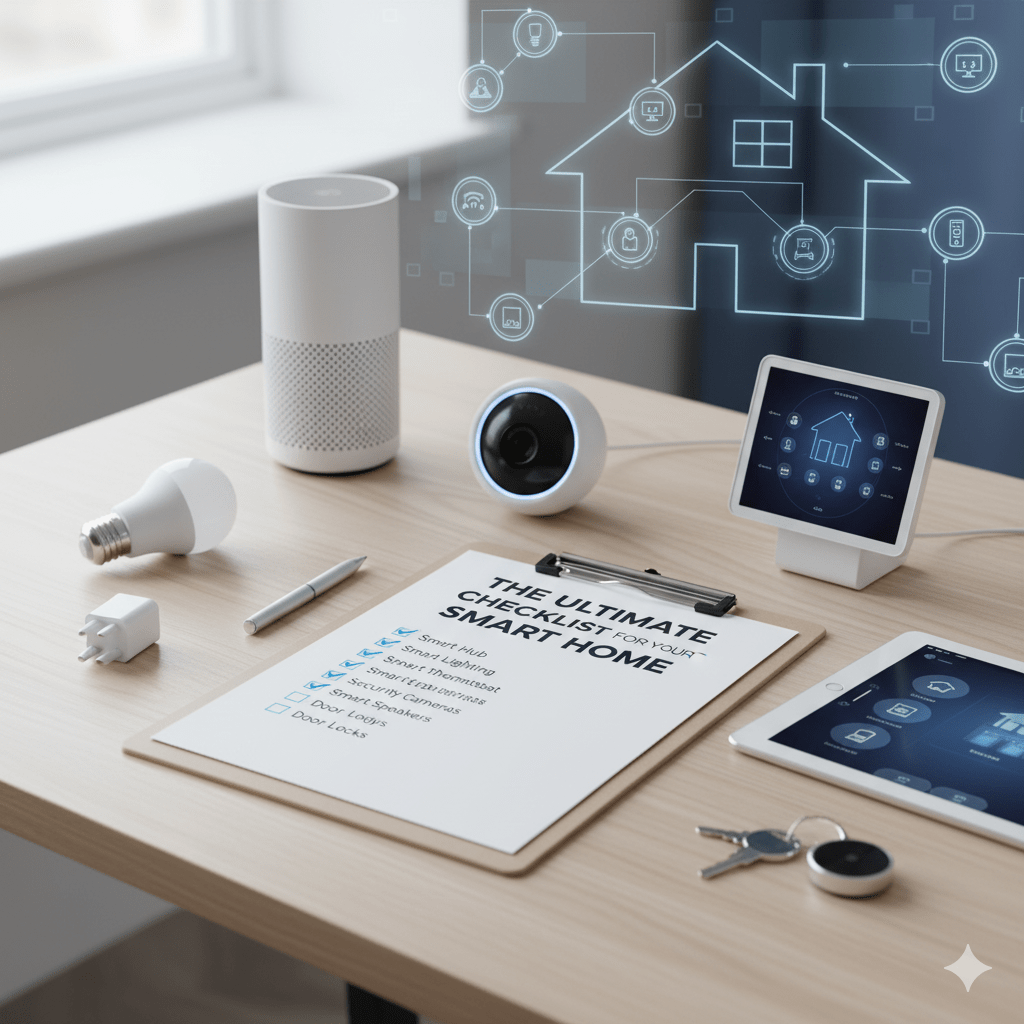
The Ultimate Checklist for Setting Up Your First Smart Home
in recent years, the concept of the smart home has transitioned from a futuristic notion into a practical reality for many households. The ability to control devices remotely, automate everyday tasks, and enhance security through technology has transformed the way we interact with our living spaces. However, setting up a smart home can seem overwhelming given the multitude of devices, platforms, and protocols available. To aid in this extensive journey, we present an in-depth, structured checklist to ensure a seamless smart home setup.
Assess Your Needs and Define Goals
The foundation of any smart home setup begins with an assessment of your specific needs. Are you looking to enhance security, increase energy efficiency, improve entertainment options, or all of the above? Defining clear goals will guide you in selecting the most suitable devices and platforms.
Personal Lifestyle Considerations
Consider your daily routine.As a notable example, if you travel frequently, focus on security features such as surveillance cameras and smart locks. Alternatively,if entertainment is a priority,look into smart speakers and streaming devices.
Budget Planning
Establish a budget that accounts for both initial costs and ongoing expenses. Consider potential savings on utility bills through energy-efficient devices which can help offset some of the upfront investment.
Selecting the Right Ecosystem
The smart home ecosystem you choose will substantially affect your overall experiance. Major players include Amazon Alexa,Google Home,and Apple HomeKit,each offering unique features,device compatibility,and user interfaces.
device Compatibility
ensure that the devices you select are compatible with your chosen ecosystem. A mismatched system can lead to frustration and limitations in functionality.
User Experience
Evaluate the user interfaces of each ecosystem.A more intuitive platform can save time and enhance your overall experience. Consider trialing devices in-store to assess their user experience before committing.
Choosing the Right Devices
Once you’ve established your ecosystem,the next step is selecting the individual devices that will populate your smart home. This includes everything from lighting and HVAC systems to security cameras and smart appliances.
Lighting Solutions
Smart lighting can dramatically enhance your home’s ambiance and energy efficiency. Opt for bulbs that can be controlled via your chosen ecosystem,allowing for scheduling and remote access.
Security Systems
Security should be a paramount consideration. Look for cameras with high-resolution video, two-way audio, and motion detection features. Additionally, consider integrating smart locks that can be accessed remotely.
Networking Considerations
A reliable network is the backbone of any smart home. Without strong Wi-Fi coverage, the functionality of your devices will be limited.Consider the following when setting up your network.
Router Selection
Investing in a high-quality router capable of handling multiple devices is essential. Assess your current broadband speed and consider upgrades if necessary to ensure seamless operation of your smart devices.
Extending Wi-Fi Coverage
If your home has dead zones, consider Wi-Fi extenders or mesh networking solutions to ensure full coverage. This step is critical for maintaining dialogue between devices without interruptions.
Automation & Routines
One of the key advantages of a smart home is the ability to create automated routines. This feature can enhance convenience, security, and energy savings.
Scheduling Devices
Scheduling lights, thermostats, and appliances can align with your daily routines, ensuring they operate only when needed. As an example, set your thermostat to adjust temperatures according to your arrival and departure times.
Creating Scenes
many platforms allow you to create scenes that activate multiple devices simultaneously.For example, a “Movie Night” scene could dim the lights, turn on the TV, and set the thermostat to a cozy temperature with a single command.
Security & Privacy Measures
As smart homes become more prevalent, so do concerns regarding security and privacy. It’s crucial to implement measures that protect your devices and data.
Strong Passwords
Ensure all devices have strong, unique passwords. Avoid using default credentials that come pre-installed on devices.
Two-Factor Authentication
Utilizing two-factor authentication where possible adds an additional layer of security, making unauthorized access more tough.
Integration with Other Technologies
The modern smart home doesn’t exist in a vacuum; it frequently enough integrates with various technologies and platforms beyond the home ecosystem.
Home Automation vs. IoT Devices
Explore the possibilities of integrating IoT devices that enhance your smart home. This can include everything from weather stations to health monitoring systems.
Voice-Controlled Interfaces
The rise of voice assistants, such as Amazon Alexa and Google Assistant, provides a new dimension to home automation. These devices can simplify management and enhance accessibility.
Emergency Preparedness
Being prepared for emergencies is crucial in any smart home. Technology can assist in quick responses during crises.
Smart Smoke Detectors and Alarms
Integrate smart smoke and CO detectors that send alerts to your smartphone. These devices can provide early warnings,perhaps saving lives.
Automated Lockdown features
Consider automated protocols that can lock doors and turn off appliances in the event of an emergency, helping to protect against greater damage.
Maintenance and Updates
Maintenance is as significant for smart homes as it is indeed for customary ones. Regular updates help protect against vulnerabilities and enhance functionality.
Firmware Updates
Ensure all devices recieve firmware updates to improve security and add new features. Setting reminders for regular checks can help maintain optimal performance.
Device Management
Regularly review and manage connected devices. Remove those that you no longer use as excessive devices can complicate management and security
Future Trends in Smart Home Technology
The proliferation of smart home technology is predicted to continue advancing,marked by trends that focus on enhanced integration,energy efficiency,and user adaptability.
AI-Driven Solutions
With the rise of AI, anticipate smarter homes that learn your patterns and make adjustments autonomously, creating a more efficient living environment.
Sustainability Focus
The emphasis on sustainability is likely to grow, enabling smart devices to optimize energy usage, contributing to a greener future.
Final Thoughts
Embarking on the journey to create a smart home is both exciting and empowering. By following this complete checklist, you can ensure a well-planned, efficient, and secure smart home tailored to your specific needs. The future is bright for smart home technology as innovations continue to shape our living environments.
As we embrace these technologies, the rise of platforms is redefining our interactions with our homes-truly next-level innovation!