
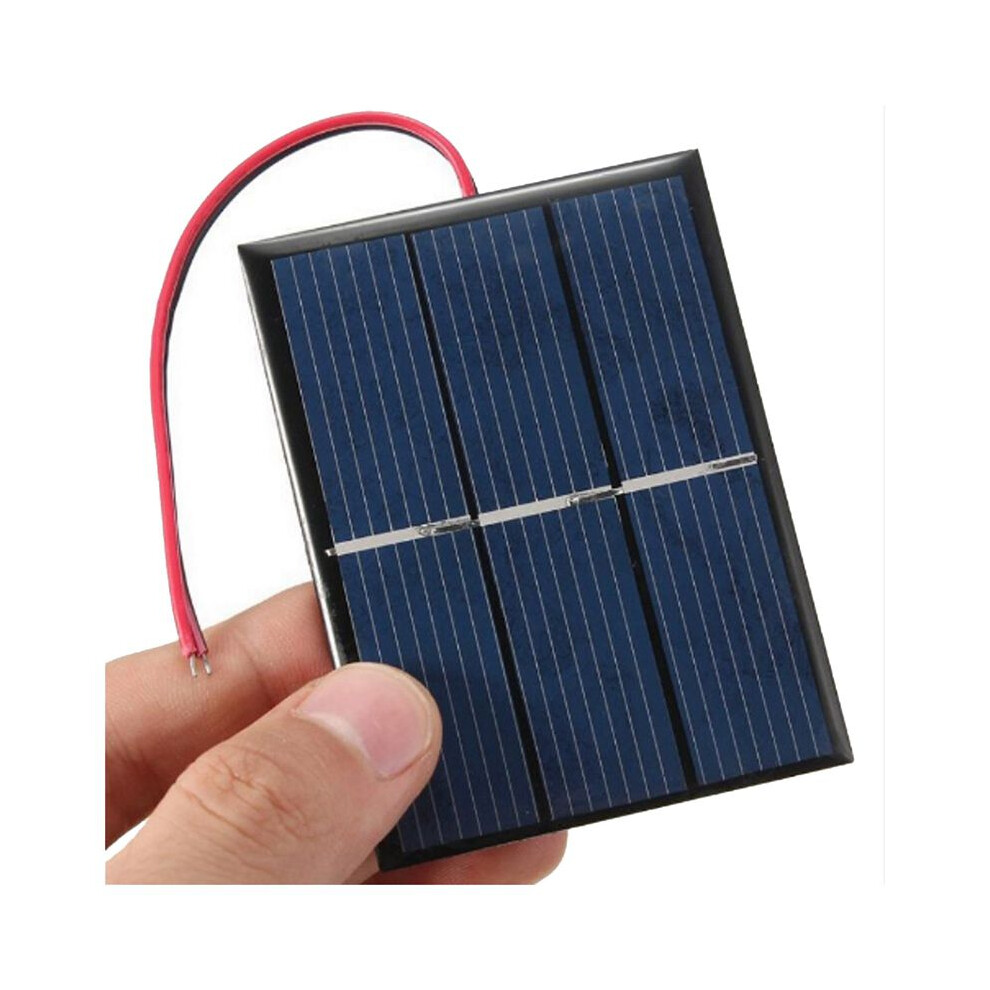
Solar panel technology is changing the way we power everything from homes to whole cities and it is quickly becoming a foundation for clean energy worldwide. Most people picture simple rooftop panels and leave it at that. Yet today’s solar breakthroughs are driving the rise of panels that now capture sunlight from both sides and even work as see-through windows. This shift means solar is no longer just about electricity for a few—it is set to reshape how we think about energy on a global scale.

Table of Contents
- Defining Solar Panel Technology: What Is It?
- Why The Latest Solar Panel Technology Matters
- How Advanced Solar Panels Work: Key Concepts
- Innovations In Solar Technology And Their Applications
- The Future Of Solar Panel Technology: Trends And Challenges
Quick Summary
| Takeaway | Explanation |
|---|---|
| Solar panels convert sunlight into electricity | Solar panels use photovoltaic cells to transform solar radiation into usable electrical energy, aiding sustainable power generation. |
| Advanced designs enhance efficiency and durability | Modern solar technologies employ multi-layered structures and smart systems to maximize energy output and resilience against environmental factors. |
| Solar technology reduces greenhouse gas emissions | The shift to advanced solar technology significantly decreases reliance on fossil fuels, supporting global decarbonization efforts and promoting environmental sustainability. |
| Innovation is expanding solar applications | New technologies allow solar energy to be integrated into varied structures and environments, from building materials to personal electronics, increasing usability. |
| Future developments focus on efficiency and sustainability | Ongoing research aims to enhance energy conversion rates, lower production costs, and develop more sustainable manufacturing processes for solar technologies. |
Defining Solar Panel Technology: What is It?
Solar panel technology represents a groundbreaking approach to generating clean, renewable electricity by harnessing the power of sunlight. At its core, this innovative technology transforms solar radiation into usable electrical energy through sophisticated photovoltaic systems. The U.S. Department of Energy defines solar panel technology as a critical component in the ongoing transition towards sustainable energy solutions.
The Basic Mechanism of Solar Energy Conversion
The fundamental principle behind solar panel technology involves converting sunlight directly into electricity using specialized semiconductor materials. When photons from sunlight strike these materials, they trigger an electronic process known as the photovoltaic effect. During this process, electrons are excited and released from their atomic structures, creating an electrical current that can be captured and utilized.
Key Components of Solar Panel Technology:
- Photovoltaic cells made from semiconductor materials like silicon
- Protective glass covering to shield sensitive components
- Electrical contacts that capture and direct electron flow
- Backing materials designed for durability and heat resistance
Advanced Technological Principles
The National Renewable Energy Laboratory emphasizes that modern solar panel technology goes beyond simple energy conversion. These systems incorporate complex engineering that maximizes efficiency, durability, and electrical output. Advanced panels now feature multi layered designs, improved electron capture mechanisms, and enhanced thermal management to extract maximum potential from available sunlight.
Understanding solar panel technology requires recognizing it as more than just an electricity generation method. It represents a sophisticated intersection of physics, materials science, and electrical engineering, continuously evolving to provide more sustainable and efficient energy solutions for our increasingly electricity dependent world.
Why the Latest Solar Panel Technology Matters
As global energy demands continue to rise and environmental concerns become increasingly urgent, the latest solar panel technology emerges as a critical solution for sustainable power generation. The International Energy Agency highlights the transformative potential of advanced solar technologies in supporting worldwide decarbonization efforts and meeting ambitious climate targets.
Environmental and Economic Impact
The significance of cutting edge solar panel technology extends far beyond simple electricity production. These innovations represent a comprehensive approach to addressing multiple global challenges simultaneously. Modern solar technologies offer substantial benefits that redefine our understanding of renewable energy, creating pathways for more efficient, accessible, and environmentally responsible power generation.
Key Societal Benefits of Advanced Solar Technology:
- Significant reduction in greenhouse gas emissions
- Decreased dependency on fossil fuel based energy systems
- Creation of sustainable jobs in green technology sectors
- Lower long term energy costs for consumers and businesses
Technological Progression and Global Sustainability
Advanced solar panel technologies are driving fundamental shifts in how societies conceptualize and implement energy infrastructure. These innovations are not merely incremental improvements but represent revolutionary approaches to capturing, storing, and distributing solar energy. Emerging technologies are pushing efficiency boundaries, developing panels that can generate electricity in diverse environmental conditions, from urban rooftops to remote desert installations.
Moreover, the latest solar panel technologies are becoming increasingly sophisticated, integrating smart monitoring systems, enhanced energy storage capabilities, and improved material durability. This progression means solar energy is no longer a supplementary power source but a viable, competitive alternative to traditional electricity generation methods. By continuously reducing production costs and improving performance metrics, these technological advancements are making renewable energy more accessible and attractive to governments, industries, and individual consumers worldwide.

How Advanced Solar Panels Work: Key Concepts
Advanced solar panels represent a sophisticated evolution in renewable energy technology, utilizing complex engineering principles to maximize electricity generation from sunlight. These innovative systems go far beyond traditional photovoltaic designs, incorporating cutting edge materials and intricate electronic architectures that dramatically improve energy conversion efficiency.
Semiconductor Materials and Energy Conversion
At the heart of advanced solar panel technology are sophisticated semiconductor materials engineered to capture and transform solar energy with unprecedented precision. The National Renewable Energy Laboratory explains that multi-junction cell designs now allow panels to capture a broader spectrum of sunlight, significantly enhancing overall performance compared to conventional single-layer solar technologies.
Critical Components of Advanced Solar Panel Architecture:
- Multi-layered semiconductor structures
- Enhanced electron migration pathways
- Specialized light-absorbing materials
- Integrated thermal management systems
Energy Efficiency and Performance Optimization
Modern advanced solar panels distinguish themselves through remarkable engineering innovations that address historical limitations of solar energy generation.
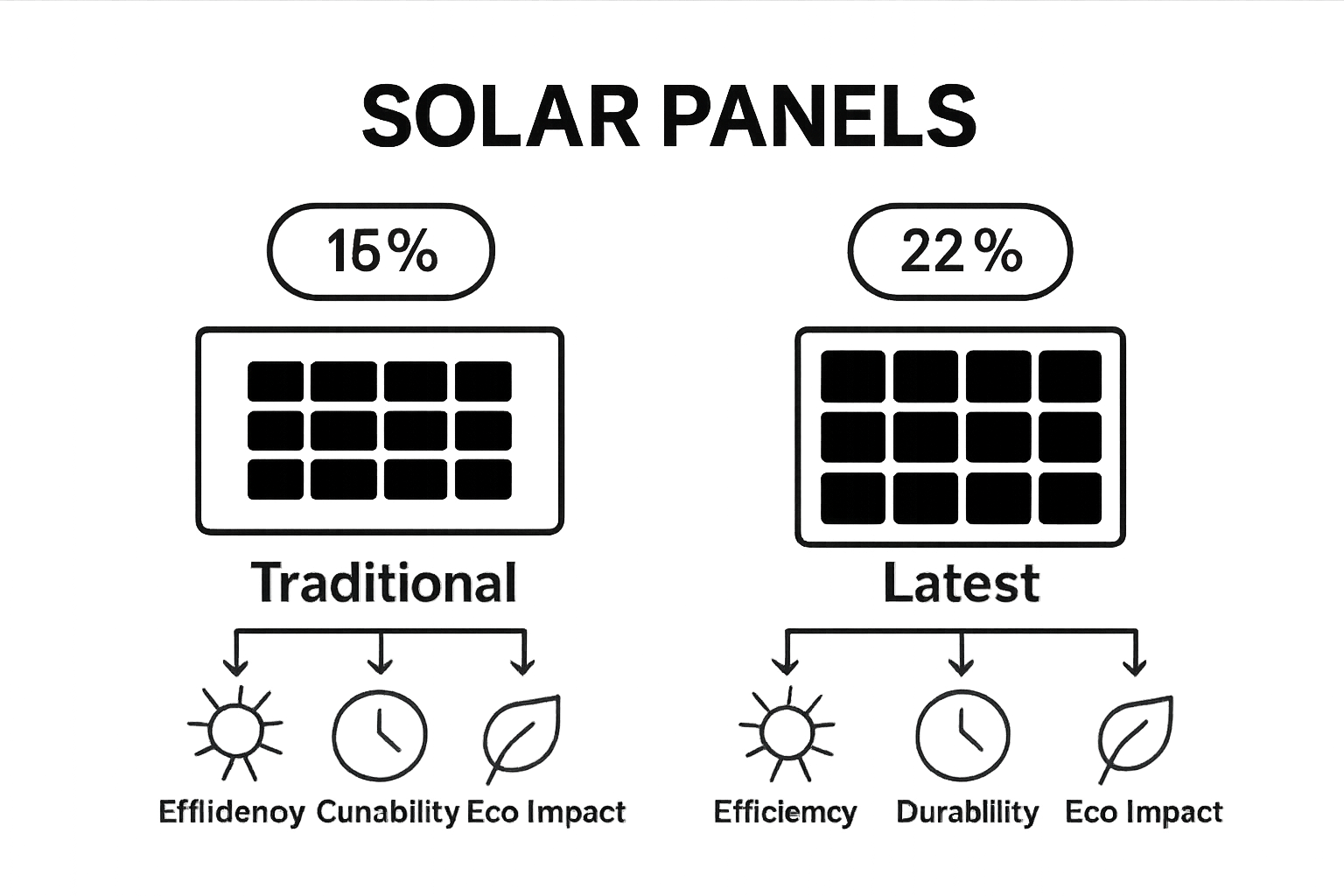
Below is a comparison table summarizing the differences between traditional and advanced solar panel technologies as described in the article.
| Feature / Aspect | Traditional Solar Panels | Advanced Solar Panel Technology |
|---|---|---|
| Design Structure | Single-layer photovoltaic cells | Multi-layered/multi-junction cells |
| Efficiency | Standard (lower efficiency rates) | Higher, maximized efficiency |
| Energy Conversion Mechanism | Basic photovoltaic effect | Enhanced electron capture, broader spectrum |
| Durability / Lifespan | Standard durability, lower resistance | Improved durability, heat resistance |
| Smart Monitoring & Management | Typically not integrated | Smart monitoring, predictive maintenance included |
| Adaptability to Environments | Fixed, mostly rigid panels | Flexible, bifacial, transparent, adaptable designs |
| Application Range | Rooftop and large-scale installations | Building materials, windows, electronics, wearables |
| These technologies incorporate intelligent design elements such as micro-inverters, advanced tracking systems, and nano-structured surface treatments that maximize light absorption and minimize energy loss. |
The performance of advanced solar panels extends beyond simple electricity generation.
These systems now integrate smart monitoring capabilities, allowing real-time performance tracking, predictive maintenance, and dynamic energy management.
 By combining sophisticated materials science with electronic engineering, advanced solar panels are transforming how we conceptualize renewable energy generation technological potential.
Innovations in Solar Technology and Their Applications
The solar technology landscape is experiencing unprecedented transformation, with groundbreaking innovations rapidly expanding the potential and practicality of renewable energy solutions. These advancements are not merely incremental improvements but represent fundamental shifts in how we capture, store, and utilize solar energy across diverse sectors and applications.

Emerging Solar Technology Breakthroughs
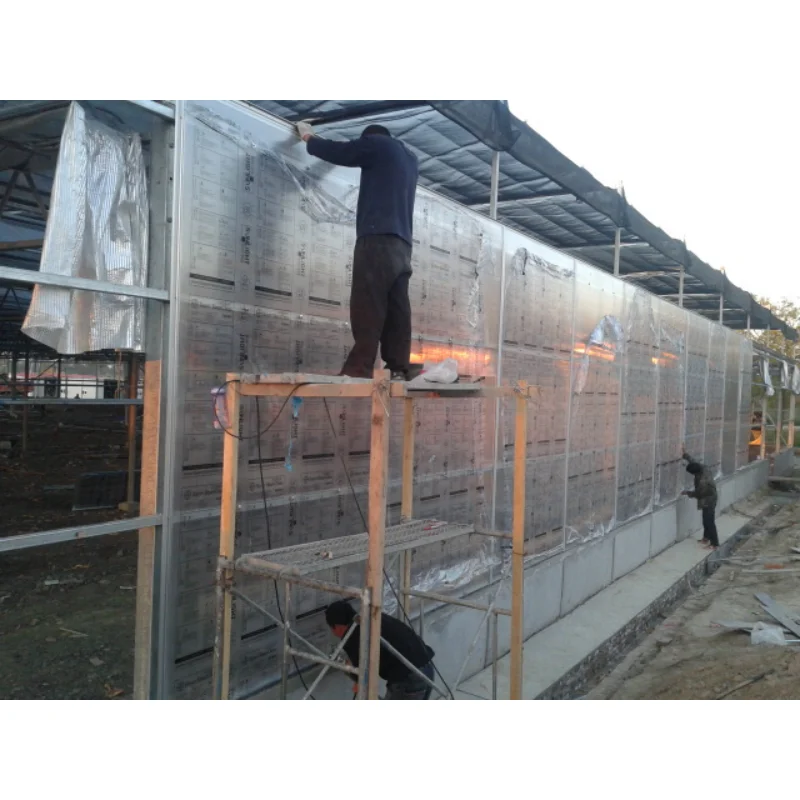
The Massachusetts Institute of Technology highlights several revolutionary approaches that are redefining solar technology’s capabilities. Contemporary innovations include transparent solar panels that can be integrated into windows, flexible photovoltaic materials that can be applied to curved surfaces, and lightweight solar cells that dramatically expand potential installation environments.
Key Technological Innovations:
- Perovskite solar cell materials with unprecedented efficiency
- Bifacial solar panels capturing light from multiple angles
- Quantum dot solar technologies enabling enhanced spectral absorption
- Organic photovoltaic systems with improved flexibility
Practical Applications and Real World Implementation
Modern solar technologies are breaking traditional boundaries, finding applications far beyond conventional rooftop installations. Emerging solutions now integrate solar capabilities into building materials, transportation infrastructure, consumer electronics, and even wearable technologies. These innovations demonstrate solar energy’s potential to become an ubiquitous, seamlessly integrated power generation method across multiple domains.
The convergence of advanced materials science, nanotechnology, and intelligent design is transforming solar technology from a niche energy solution into a mainstream, adaptable power generation strategy.
The table below summarizes key technological innovations in solar technology and their main features as mentioned in the article.
| Innovation Type | Description | Distinguishing Feature |
|---|---|---|
| Perovskite Solar Cells | New material for higher efficiency | Unprecedented energy conversion efficiency |
| Bifacial Solar Panels | Capture light from both sides | Increased energy generation |
| Quantum Dot Technologies | Use nanoscale semiconductors to absorb wider spectrum | Enhanced spectral absorption |
| Organic Photovoltaic Systems | Use organic materials for energy conversion | Improved flexibility and lightweight designs |
| Transparent Solar Panels | Panels can be integrated into windows and surfaces | See-through, expands installation options |
| Flexible Photovoltaic Panels | Panels install on curved/uneven surfaces | Versatility in environments |
| By continuously pushing technological boundaries, researchers and engineers are creating solar technologies that are more efficient, affordable, and versatile than ever before. |
The Future of Solar Panel Technology: Trends and Challenges
The trajectory of solar panel technology is marked by continuous innovation and complex challenges that will shape our global energy landscape. As renewable energy becomes increasingly critical, researchers and engineers are developing sophisticated solutions to address both technological limitations and broader environmental objectives.
Emerging Research and Development Frontiers
The International Renewable Energy Agency underscores that future solar technologies will focus on dramatically improving efficiency, reducing production costs, and creating more sustainable manufacturing processes. Cutting edge research is exploring revolutionary approaches such as artificial photosynthesis, quantum dot solar cells, and advanced energy storage systems that could fundamentally transform how we generate and utilize solar power.
Key Future Solar Technology Development Areas:
- Advanced materials with higher energy conversion rates
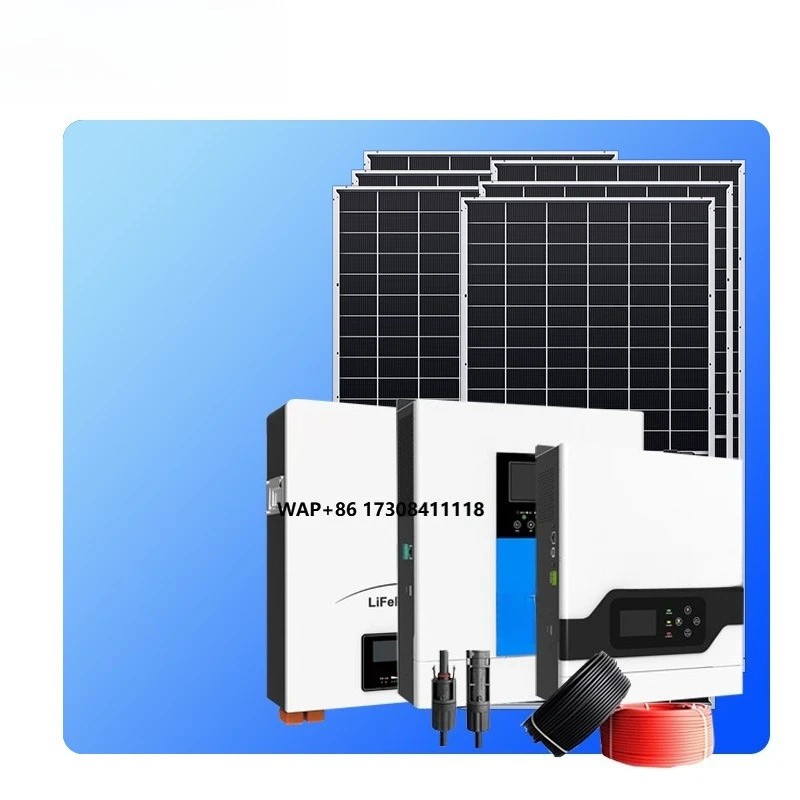
- Integrated energy storage solutions
- Self cleaning and self repairing solar panel technologies
- Artificial intelligence driven solar system optimization
Global Challenges and Strategic Considerations
Despite remarkable technological progress, solar panel technology faces significant challenges that extend beyond pure scientific innovation. Economic factors, infrastructure limitations, geopolitical dynamics, and environmental sustainability will play crucial roles in determining the pace and scope of solar energy adoption. The transition requires not just technological breakthroughs but comprehensive strategies addressing manufacturing scalability, global supply chain complexities, and long term environmental impact.
The future of solar panel technology represents a complex ecosystem of scientific research, economic investment, and global collaboration. By simultaneously addressing technological, economic, and environmental considerations, researchers are working to transform solar energy from an alternative power source into a primary global energy solution.
Take the Guesswork Out of Choosing the Latest Solar Panel Technology
Struggling to understand which solar innovations truly matter for your home or business? The article above highlights how rapid advancements in solar panel technology have revolutionized energy efficiency, but making sense of complex upgrades—such as multi-junction cells and dynamic energy management—can feel overwhelming if you are trying to make a smart investment.


Unlock expert advice and honest reviews tailored to your needs at HTEXS. Explore our deep dive guides and practical product comparisons designed to help you identify the best solar panels and smart energy solutions. Visit our main site right now to simplify your next purchase decision and discover the real impact of the newest solar tech. Take control of your energy future and get answers fast. Start at HTEXS today.
Frequently Asked Questions
What is the basic mechanism of solar panel technology?
The basic mechanism of solar panel technology involves converting sunlight into electricity through photovoltaic cells, which are made from semiconductor materials. When sunlight strikes these cells, it triggers the photovoltaic effect, exciting electrons and creating an electrical current.
How does advanced solar panel technology differ from traditional solar panels?
Advanced solar panel technology features improvements like multi-layered designs, enhanced electron capture mechanisms, and smart monitoring systems, resulting in greater efficiency and performance compared to traditional single-layer solar panels.
What are some benefits of using the latest solar panel technology?
The latest solar panel technology offers significant benefits, including a reduction in greenhouse gas emissions, decreased dependency on fossil fuels, the creation of sustainable jobs, and lower long-term energy costs for consumers and businesses.
What future trends are expected in solar panel technology development?
Future trends in solar panel technology development include advancements in materials for higher energy conversion rates, integrated energy storage solutions, self-cleaning panels, and the application of artificial intelligence for system optimization.
Recommended
- How Much Do Solar Panels Save in 2025 – htexs.com
- Tips And Techniques – htexs.com
- Perovskite Solar Cells 2025: Breakthrough Tech Unveiled
- Industrial Gadgets – htexs.com