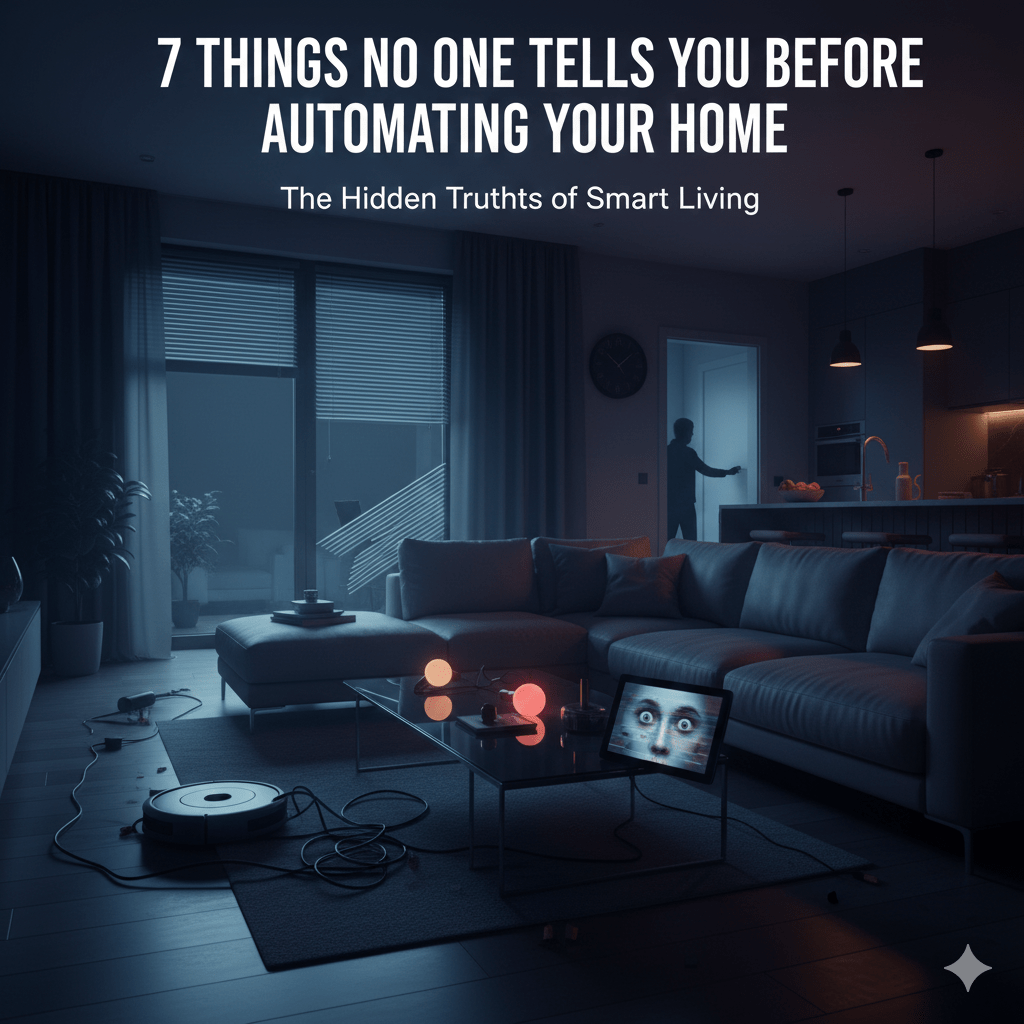
7 things No One Tells You Before Automating your Home
Understanding Automation beyond Convenience
Home automation has transformed from sci-fi dreams into a reality, offering convenience, security, and energy efficiency. However, many overlook teh complexities that come alongside this technological revolution. The allure of controlling your lights, thermostat, and security systems with the touch of a button is compelling, but automation frequently enough demands more than a simple setup. It requires careful planning, ongoing management, and an understanding of the intricacies involved in bringing your home into the smart era.
Complexity in Integration
When embarking on the journey to automate your home, one of the first lessons learned is the importance of compatibility. Today’s market is flooded with various devices,each boasting unique features and functionalities. However, not all products communicate seamlessly with each other. A smart thermostat might not integrate well with your existing security system or smart lights. You must invest time in researching products and opt for those that adhere to universal protocols like Zigbee or Z-Wave for a more cohesive ecosystem. This foundational work is crucial; without it, your smart home experience could quickly devolve into a tangled web of incompatible devices.
User experience Challenges
User experience doesn’t just stop at installation. The reality is that the usability of the control interfaces varies widely across devices. Some manufacturers provide sleek apps that make it easy to manage settings, while others might leave you grappling with complicated interfaces. A poor user experience can lead to frustration and ultimately discourage you from using your automations altogether. Thoroughly testing apps before fully committing to a specific brand or ecosystem can save you from important headaches later on.
Data Privacy and Security Implications
As you connect more devices to your network, you increase your exposure to potential security risks. Many automation solutions involve significant data exchange, raising questions about privacy and data protection. Without vigilance, your smart home could serve as an open door for cybercriminals.Understanding each device’s data policies and employing strong security practices- such as regularly updating firmware and utilizing secure passwords- is crucial in safeguarding your privacy.
Audit Your devices
Conduct regular audits of connected devices to ensure they are all updated and follow best practices for security.Tools that help monitor your network’s health can offer insights into potential vulnerabilities. Implementing a segmented network, where smart devices are separated from personal computers or sensitive data, adds an additional layer of security.
The True Cost of Automation
One might assume that setting up a smart home is a one-time payment.Though, hidden costs can arise that change your overall budget expectations. Instant savings on energy bills often get touted,but that doesn’t account for the costs of device replacements,subscriptions,and potential upgrades. Moreover, should something go wrong, service calls can run high. Aligning your budget with a holistic view of these potential costs is crucial.
Managing Long-term Expenses
Consider creating a maintenance budget for your smart devices. Regular updates,touch-ups,and even a potential backup plan for failing devices could incur additional costs. Staying educated about new innovations that could enhance efficiency might also influence future spending decisions-a topic worthy of ongoing research.
Striking the Right Balance Between Automation and Manual Control
While automation can simplify many tasks, complete reliance on it can alienate personal engagement. A balance is essential. over-automation can foster feelings of disenchantment when simple tasks become complex due to malfunctioning systems or confusing interfaces. Sometimes, sticking to manual operations for essential tasks can bolster your interaction with your home.
Finding a Healthy Medium
Establish a set of default smart automations that streamline your life but maintain the option to override them. This approach empowers you to retain control when needed, enhancing your experience rather than detracting from it. Constantly reevaluating what your devices accomplish can help to ensure they truly continue to serve a purpose.
Potential for Frustration and Downtime
Like any technological system, smart home devices can fail. Software glitches, connectivity issues, and bugs can lead to equipment downtime or unresponsive devices. Understanding that you’ll likely encounter some frustrations can help frame your expectations and prepare for tech support interactions.
setting Up a Support System
It’s prudent to create a network-as an example, forums or local user groups-where you can share experiences and troubleshooting tips. A compilation of FAQs on each device, readily available support contacts, and gathering insight from community forums can ease some stress that comes along with these problems.
Scalability Issues: Planning for Future Upgrades
Today’s technology will eventually become outdated, and as you contemplate your smart home, it’s crucial to think about future scalability. Investing in devices that can grow with your needs is vital. Systems should be flexible enough to accommodate new technologies and devices as they emerge.
Future-Proofing Your Home
Engaging with manufacturers that prioritize updates and create modular systems can provide a smoother transition when incorporating new tech. Understanding the lifecycle of various devices will allow you to make informed decisions that keep your home current.
Adopting a Holistic View of smart Living
one overarching truth prevails: automating your home is not solely about convenience or saving time and energy. It’s essential to have a holistic outlook on living-incorporating sustainability, wellness, and efficiency into your daily routines. A successful smart home integrates seamlessly with your lifestyle while promoting safer and more lasting practices.
Sustainability Considerations
Research the environmental impact of devices before purchasing. Opting for energy-efficient models not only benefits the planet but can also lead to long-term cost savings, especially in energy bills.
looking Ahead: The Future of Smart Homes
As technology evolves, the future of home automation promises to be highly exciting. Adopting machine learning, IoT advancements, and artificial intelligence will enhance personalization and adaptability, making smart homes even smarter. For those willing to invest time and resources, the reward can be transformative.
investing in Next-Generation Technologies
Many companies are working on future-proof solutions that prioritize compatibility and user experience, investing in the next generation of smart living solutions that align with modern green initiatives. the future looks exciting!
Home automation brings transformational changes to everyday living, but the journey is complex and filled with nuances that require thorough understanding and foresight.As we delve deeply into automation’s many layers, we discover a realm rich with opportunities-if we’re prepared for the journey ahead.