

{
“@type”: “Article”,
“image”: null,
“author”: {
“url”: “https://htexs.com”,
“name”: “Htexs”,
“@type”: “Organization”
},
“@context”: “https://schema.org”,
“headline”: “7 Examples of Net-Zero Home Tech for Smarter Living”,
“publisher”: {
“url”: “https://htexs.com”,
“name”: “Htexs”,
“@type”: “Organization”
},
“inLanguage”: “en”,
“articleBody”: “Discover 7 top examples of net-zero home tech, including solar panels and smart HVAC, with practical tips to create an energy-efficient, sustainable home.”,
“description”: “Discover 7 top examples of net-zero home tech, including solar panels and smart HVAC, with practical tips to create an energy-efficient, sustainable home.”,
“datePublished”: “2025-10-24T00:51:41.732Z”
}
Did you know that solar power now supplies over 3 percent of the world’s electricity and continues to grow every year? With concerns over rising utility costs and the urgent need to protect the environment, more people are choosing solar panels for their homes. Today’s advanced technologies make it easier to generate clean energy, reduce monthly bills, and increase your property’s value while taking meaningful action against climate change.
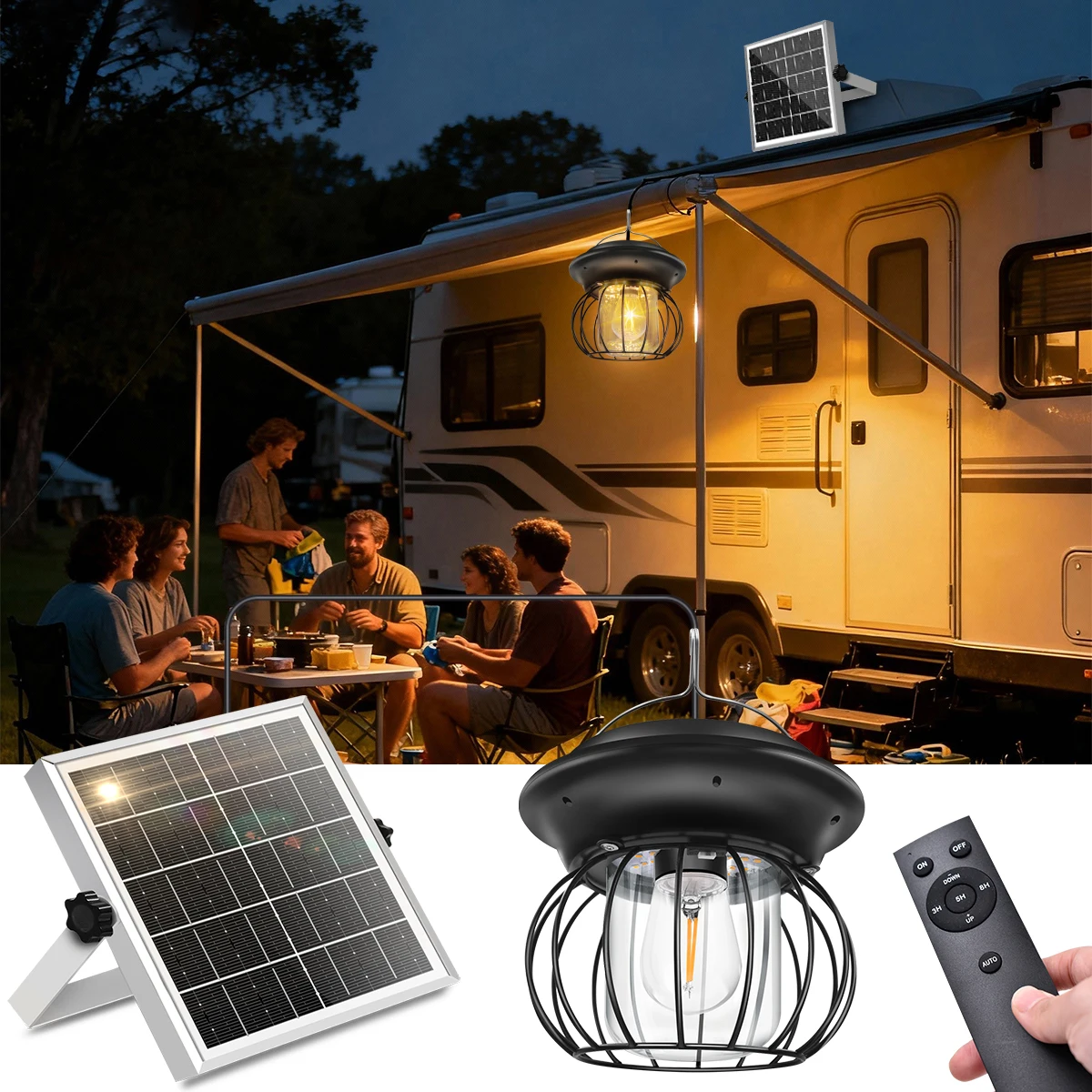
Table of Contents
- Solar Panels for Renewable Energy Generation
- Smart HVAC Systems for Efficient Heating and Cooling
- High-Performance Insulation for Lower Energy Use
- Energy-Efficient LED Lighting Solutions
- Intelligent Energy Management Systems
- Advanced Water Recycling Technologies
- Battery Storage Solutions for Home Energy
Quick Summary
| Takeaway | Explanation |
|---|---|
| 1. Invest in Solar Panels for Savings | Solar panels reduce electricity costs and environmental impact while increasing property value. |
| 2. Implement Smart HVAC Systems | Smart HVAC adjusts climate based on real-time data, enhancing comfort and lowering energy bills. |
| 3. Choose High-Performance Insulation | Advanced insulation materials reduce energy consumption and maintain comfortable temperatures effectively. |
| 4. Switch to LED Lighting | LED lights consume less energy and last longer, contributing to lower electricity bills and minimal environmental impact. |
| 5. Utilize Battery Storage Solutions | Battery systems allow homeowners to store renewable energy, enhancing efficiency and reducing electricity costs. |
1. Solar Panels for Renewable Energy Generation
Solar panels represent a groundbreaking solution for homeowners seeking sustainable energy independence. These innovative photovoltaic systems transform sunlight into clean electricity, offering a powerful method to reduce carbon footprints and lower utility expenses.
Modern solar technology has dramatically evolved, introducing advanced materials that significantly boost energy conversion efficiency. Understanding the latest solar panel technology reveals exciting developments in photovoltaic design. Multi-junction solar cells now utilize multiple semiconductor materials to capture a broader spectrum of light wavelengths, enabling more effective energy generation compared to traditional single-junction cells.
Key Advantages of Solar Panel Technology:
- Reduces electricity costs
- Minimizes environmental impact
- Provides energy independence
- Increases property value
Perovskite solar cells represent another breakthrough, employing perovskite-structured compounds as light-absorbing layers. These emerging technologies offer a more cost-effective and efficient alternative to conventional silicon-based photovoltaics, making renewable energy more accessible for average homeowners.
Implementing solar panels requires careful planning. How to set up solar panels for your home involves assessing roof orientation, local sunlight exposure, and potential installation challenges. Homeowners should consider professional assessments to maximize their solar energy potential and ensure optimal system performance.
By investing in solar technology, you are not just generating electricity but participating in a global movement toward sustainable living. Each kilowatt-hour produced represents a step toward reducing greenhouse gas emissions and creating a more resilient energy ecosystem.
2. Smart HVAC Systems for Efficient Heating and Cooling
Smart HVAC systems represent a revolutionary approach to home climate control, offering unprecedented energy efficiency and personalized comfort. These intelligent systems go far beyond traditional thermostats by dynamically adjusting heating and cooling based on real-time environmental and occupancy data.
Building automation technology has transformed how we manage indoor temperatures. Understanding what is energy efficiency reveals that intelligent HVAC systems can dramatically reduce energy consumption by sensing comfort requirements automatically and scheduling operations dynamically.
Key Features of Smart HVAC Technology:
- Adaptive temperature controls
- Remote smartphone management
- Predictive maintenance alerts
- Zonal heating and cooling
- Machine learning optimization
Research indicates that decentralized control schemes enable HVAC systems to make instantaneous adjustments that maximize both comfort and energy conservation. These systems utilize advanced sensors and algorithms to learn your specific preferences while minimizing unnecessary energy expenditure.
Implementation strategies involve integrating smart thermostats with comprehensive home automation platforms. These technologies can track occupancy patterns, weather conditions, and individual room temperatures to create a seamless climate management experience. Essential gadgets for net-zero homes often highlight smart HVAC systems as critical components in creating energy-efficient living spaces.
By investing in smart HVAC technology, homeowners can expect significant reductions in energy bills while simultaneously reducing their carbon footprint. The future of home climate control is intelligent, responsive, and tailored precisely to your comfort needs.
3. High-Performance Insulation for Lower Energy Use
High-performance insulation represents a critical technology in transforming homes into energy-efficient living spaces. By creating superior thermal barriers, these advanced materials dramatically reduce energy consumption and maintain comfortable indoor temperatures with minimal external heating or cooling.
Understanding what is energy efficiency becomes paramount when exploring innovative insulation technologies. Modern insulation solutions go beyond traditional materials by utilizing cutting-edge designs that minimize heat transfer and maximize thermal resistance.
Key Components of Advanced Insulation:
- Aerogel materials
- Reflective ceramic technologies
- Vacuum insulated panels
- Phase change materials
- Synthetic polymer innovations
Research highlights novel approaches to energy-efficient building design. Advanced insulation technologies are being developed to create smarter thermal management systems that adapt to changing environmental conditions. These innovations significantly reduce operational costs by requiring less energy to maintain consistent indoor temperatures.
Practical implementation involves selecting appropriate insulation materials based on your specific climate and building structure. Essential gadgets for net-zero homes often emphasize the importance of comprehensive insulation strategies that go beyond traditional wall and roof treatments.
By investing in high-performance insulation, homeowners can expect substantial energy savings. These advanced materials create a more comfortable living environment while simultaneously reducing carbon emissions and lowering utility expenses. The future of home energy efficiency lies in these intelligent thermal management solutions.
4. Energy-Efficient LED Lighting Solutions
LED lighting represents a transformative technology in home energy management, offering unprecedented efficiency and sustainability. These advanced semiconductor light sources revolutionize how we illuminate our living spaces by dramatically reducing energy consumption and extending lighting longevity.
How LED Technology Works:
A light-emitting diode generates illumination by allowing electrical current to flow through a semiconductor material, producing light with remarkable energy efficiency. Understanding what is energy efficiency becomes crucial when exploring these innovative lighting solutions.
Key Advantages of LED Lighting:
- Significantly lower electricity consumption
- Extended operational lifespan
- Reduced heat generation
- Minimal environmental impact
- Superior light quality
Unlike traditional incandescent bulbs that waste substantial energy through heat production, LED lamps convert almost all electrical input directly into light. Modern LED technologies offer versatile designs ranging from smart bulbs with color-changing capabilities to motion-activated lighting systems that optimize energy usage.
Practical implementation involves strategic replacement of existing lighting fixtures with LED alternatives. 7 Smart Ways to Save with Tech highlights the potential for substantial energy savings through intelligent lighting choices.
By investing in LED lighting solutions, homeowners can expect significant reductions in electricity bills while simultaneously contributing to broader environmental conservation efforts. The future of home illumination is bright, efficient, and increasingly intelligent.
5. Intelligent Energy Management Systems
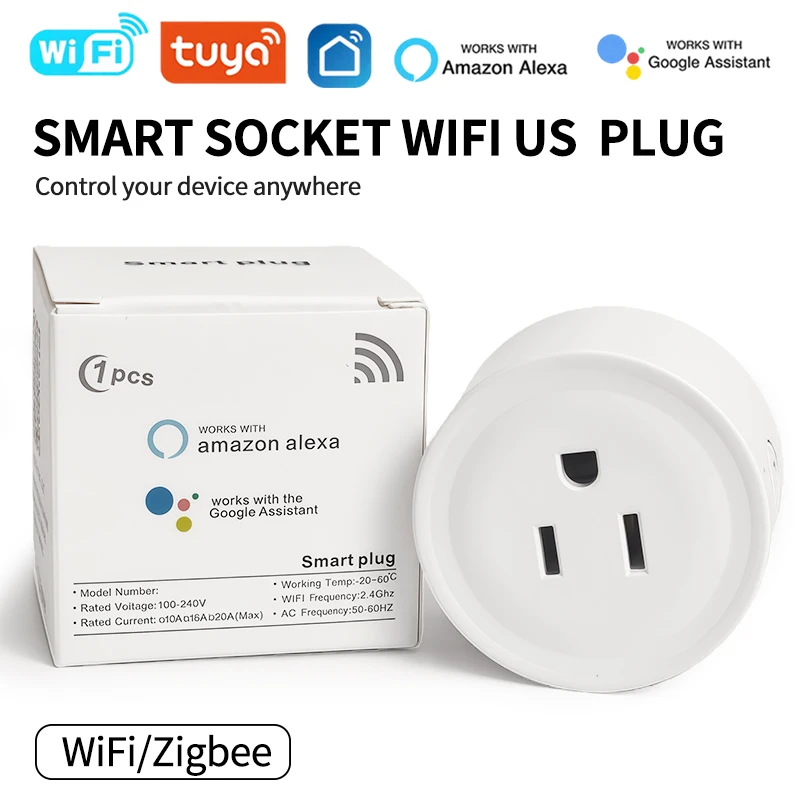
Intelligent Energy Management Systems represent a breakthrough in home technology that transforms how we consume and monitor electricity. These sophisticated systems utilize advanced algorithms and smart sensors to optimize energy usage across multiple home systems in real time.
How to save solar energy efficiently becomes significantly easier with these cutting-edge technological solutions. Modern energy management platforms integrate seamlessly with smart home infrastructure, providing homeowners unprecedented control and insights into their energy consumption patterns.
Core Capabilities of Intelligent Energy Management:
- Real-time energy consumption tracking
- Automated system optimization
- Predictive maintenance alerts
- Cost reduction recommendations
- Comprehensive energy usage reports
Research highlights innovative approaches like MARTINI technology which leverages smart meters and WiFi infrastructure to estimate occupant-driven energy schedules. These systems go beyond simple monitoring by actively learning household behavior and automatically adjusting energy consumption to maximize efficiency.
Practical implementation involves installing centralized control systems that connect with smart appliances, solar panels, HVAC units, and lighting networks. By creating an interconnected ecosystem, these intelligent platforms can dramatically reduce energy waste and lower utility expenses.
Homeowners embracing intelligent energy management can expect substantial benefits including reduced carbon footprints, significant cost savings, and a more responsive living environment. The future of home energy efficiency is not just about consuming less but consuming smarter.
6. Advanced Water Recycling Technologies
Advanced water recycling technologies represent a critical innovation in sustainable home management, transforming how we consume and reuse water resources. These sophisticated systems capture, treat, and repurpose water from multiple household sources to minimize waste and reduce environmental impact.
7 Essential Gadgets for Net-Zero Homes increasingly highlight water recycling technologies as a fundamental component of eco-friendly living. Water reuse involves reclaiming water from various sources and treating it for beneficial purposes such as landscape irrigation, toilet flushing, and other non-potable applications.
Key Components of Water Recycling Systems:
- Greywater filtration mechanisms
- Advanced membrane technologies
- UV sterilization units
- Smart monitoring sensors
- Automated treatment processes
Modern water recycling technologies employ multi-stage filtration processes that dramatically reduce water consumption. These systems can capture water from showers, sinks, and laundry machines, then filter and redirect it for secondary uses that do not require drinking water quality.
Practical implementation begins with understanding your household water consumption patterns and installing appropriate recycling infrastructure. Homeowners can expect significant reductions in water bills and substantial contributions to environmental conservation efforts.
By embracing advanced water recycling technologies, you are not just saving money but actively participating in a global movement towards more sustainable resource management. The future of home water use is about smart conservation, intelligent reuse, and minimizing our ecological footprint.
7. Battery Storage Solutions for Home Energy
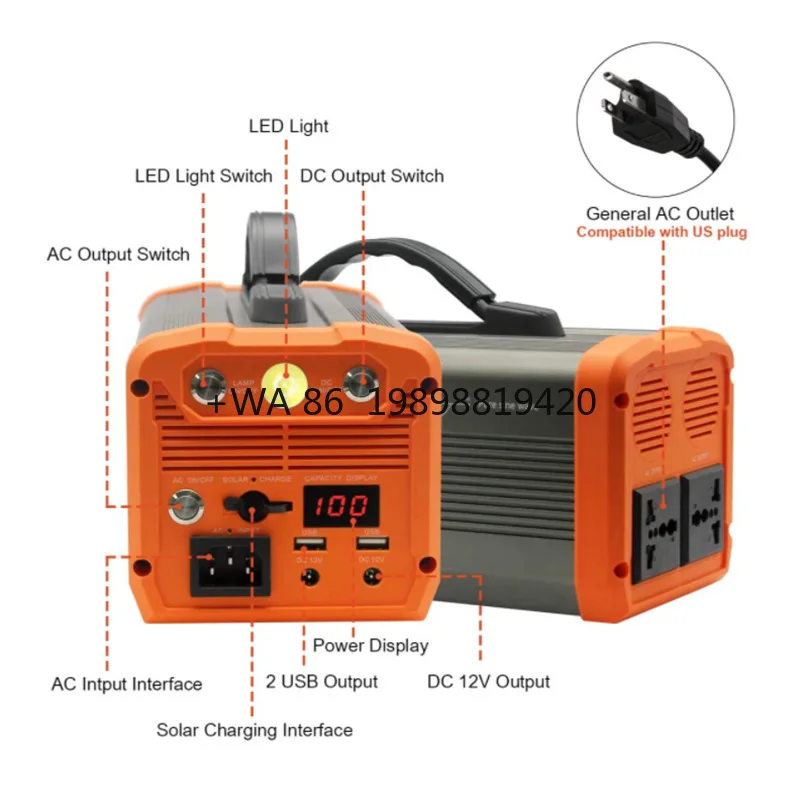
Battery storage solutions represent a revolutionary approach to home energy management, enabling homeowners to capture, store, and strategically utilize electricity generated from renewable sources. These advanced systems transform how we think about energy consumption and independence.
Understanding the solar benefits becomes crucial when exploring battery storage technologies. Home energy storage systems store electricity for later use, often utilizing advanced batteries to provide backup power and enhance overall energy efficiency.
Key Features of Modern Battery Storage:
- Long-duration electricity retention
- Seamless renewable energy integration
- Emergency power backup
- Grid independence
- Cost reduction strategies
Lithium-ion batteries have emerged as the premier technology in home energy storage due to their exceptional energy density and extended cycle life. These sophisticated storage solutions allow homeowners to maximize solar panel output by storing excess energy generated during peak sunlight hours for use during nighttime or low production periods.
Practical implementation involves selecting a battery system compatible with your existing renewable energy infrastructure. Homeowners can expect significant benefits including reduced electricity bills, increased energy resilience, and substantial contributions to personal carbon footprint reduction.
By investing in battery storage solutions, you are not just managing energy more efficiently but participating in a broader movement toward sustainable and intelligent home technology. The future of residential energy is about smart storage, strategic consumption, and maximizing renewable resources.
Below is a comprehensive table summarizing the key features, benefits, and implementation strategies of the innovative technologies in home energy and resource management discussed throughout the article.
| Technology | Key Features | Benefits |
|---|---|---|
| Solar Panels | Photovoltaic systems, multi-junction cells | Lowers electricity costs, reduces carbon footprint |
| Smart HVAC Systems | Adaptive controls, remote management | Enhances comfort, reduces energy consumption |
| High-Performance Insulation | Aerogel materials, vacuum panels | Reduces energy use, increases comfort |
| Energy-Efficient LED Lighting | Long lifespan, reduced heat generation | Lowers electricity consumption, minimal environmental impact |
| Intelligent Energy Management | Real-time tracking, system optimization | Reduces utility expenses, lowers carbon footprint |
| Advanced Water Recycling | Greywater filtration, UV sterilization | Decreases water bills, supports environmental conservation |
| Battery Storage Solutions | Renewable integration, grid independence | Provides backup power, lowers energy costs |
Discover Smarter Solutions for Your Net-Zero Home Journey
Achieving a net-zero home requires tackling challenges like reducing energy costs, managing renewable resources, and creating an efficient living environment. This article highlights critical technologies such as solar panels, smart HVAC systems, and battery storage that empower homeowners to take control of their energy use while minimizing environmental impact. If making these smart, sustainable upgrades feels overwhelming, HTEXS simplifies the process by breaking down product options and guiding you through expert-reviewed insights.

Unlock the full potential of your net-zero home today. Explore our How to Guides – htexs.com for step-by-step instructions and practical tips. Compare the latest technologies through our detailed Compare Products – htexs.com category to find what fits your home and budget best. Visit HTEXS now to make informed decisions that bring smarter, greener living within your reach.
Frequently Asked Questions
What are the key technologies that support net-zero homes?
Net-zero homes utilize technologies like solar panels, smart HVAC systems, high-performance insulation, LED lighting, intelligent energy management systems, advanced water recycling technologies, and battery storage solutions. By integrating these technologies, homeowners can significantly reduce energy consumption and minimize their environmental impact.
How do I efficiently set up solar panels for my net-zero home?
To efficiently set up solar panels, assess your roof’s orientation and local sunlight exposure. Consider hiring a professional to evaluate these factors to ensure maximum energy capture, aiming for at least a 20% reduction in electricity costs after installation.
What steps can I take to implement a smart HVAC system?
To implement a smart HVAC system, replace your current thermostat with a smart one that adjusts based on real-time data. Ensure that the system integrates with other smart home devices to optimize your energy usage effectively and reduce heating and cooling costs by 10-30%.
How can I improve insulation in my home to achieve net-zero efficiency?
Improving insulation involves choosing advanced materials like aerogel or reflective ceramic technologies that minimize heat transfer. Conduct a thorough inspection of your home, and upgrade insulation in areas like attics and walls to decrease energy use by about 20%.
What are the benefits of using LED lighting in a net-zero home?
Using LED lighting can lower electricity consumption significantly while extending operational lifespan and reducing heat generation. Replace traditional bulbs with LED alternatives to reduce your lighting energy usage by approximately 75%.
How can I monitor and manage my home’s energy consumption effectively?
To monitor and manage energy consumption effectively, install an intelligent energy management system that provides real-time tracking and automated optimizations. This can lead to up to a 30% reduction in energy waste, improving efficiency across your home systems.
Recommended
- 7 Essential Gadgets for Net-Zero Homes: A Practical Guide – htexs.com
- 7 Smart Ways to Save with Tech: Practical Tips for Everyone – htexs.com
- Future-Proof Living: Our Roadmap to Net-Zero Homes by 2025 – htexs.com