
: An Engineer’s Deep Dive
For developers, engineers, researchers, founders, and investors working in fast-paced tech environments, distraction is the enemy of productivity. Among myriad solutions, noise-cancelling headphones stand out as a crucial tool to carve out a sanctuary of focused work. But what truly defines the “best” noise-cancelling headphones, especially for the demanding requirements of today’s tech professionals? This comprehensive engineer-driven analysis unpacks the hardware and firmware innovations behind the most effective noise-cancelling headphones for focused work, illuminating design trade-offs, real-world performance metrics, and actionable insights to help professionals optimize their auditory environment.
Understanding Active Noise Cancellation (ANC) Architectures for Work Focus
How Active Noise Cancellation Works: Digital vs Analog ANC
Active Noise Cancellation (ANC) technology primarily comes in two main forms: analog and digital. Analog ANC employs continuous-time circuitry to detect ambient noise via microphones, generating anti-phase sound waves to cancel out distractions. Digital ANC, on the other hand, samples sound signals then processes them through digital signal processors (DSPs), enabling more adaptive and sophisticated noise suppression algorithms. In the context of focused work, digital ANC offers superior customization, precision, and dynamic range, allowing headphones to selectively filter noise frequencies common in office or home environments.
Feedforward,Feedback,and Hybrid ANC designs
ANC systems can be configured as feedforward,feedback,or hybrid architectures. Feedforward ANC uses external microphones to sample incoming noise before it reaches the ear, while feedback ANC places microphones inside the ear cup to measure what the user actually hears, allowing adjustments in real time. Hybrid ANC combines both approaches for maximal cancellation across a wide frequency spectrum. Engineering-wise, hybrid ANC headphones excel at maintaining stable cancellation without introducing audio artifacts or latency—a critical factor when synchronous audio cues are needed during video calls or coding sessions with paired audio cues.
Key Latency Considerations in ANC for Developers
Latency affects the perceived naturalness and synchronization of audio signals, particularly when coding with audio debugging tools or attending virtual meetings. Quality ANC headphones typically maintain latency under 40 milliseconds, with premium models pushing this down to less than 20 ms through hardware-accelerated DSP pipelines. The ability to balance latency and cancellation depth without compromising battery life is a benchmark of engineering quality in focused work headphones.
Acoustic engineering: Beyond ANC to Sound Quality and Comfort
Driver Technologies: Dynamic, Balanced Armature, and Planar magnetic
Noise-cancelling headphones don’t merely cancel noise—they deliver clear, high-fidelity audio to aid concentration. dynamic drivers remain the most common, prized for good bass response and cost-effectiveness. Balanced Armature (BA) drivers excel at detailed mids and highs, and some hybrid models deploy both driver types for a full-spectrum auditory experience. Planar magnetic drivers, favored by audiophiles and engineers, provide ultra-low distortion but come with larger form factors and higher power requirements. For focused work spanning hours, carefully chosen driver technologies ensure sound quality enhances rather than distracts.
Ergonomics and Material Science for Continuous Wear
Even the most advanced ANC system fails if headphones become uncomfortable and distract users physically. Premium headphones employ memory foam ear cushions wrapped in breathable materials like protein leather or knit fabric. Headband designs incorporate spring steel frames with adjustable tensioning. The thermal management of ear cups to reduce heat buildup, combined with lightweight composite enclosures, is another engineering feat that improves endurance during deep focus sessions lasting multiple hours.
Passive Noise Isolation vs ANC Synergy
Good passive noise isolation from headphone seal and ear cup design remains foundational for ANC effectiveness. Closed-back headphones with tight seals physically block noise, reducing the ANC’s computational load and extending battery life. Many engineers prefer models with thick seals that combine passive isolation with aggressive ANC for consistent, dependable noise suppression.

Battery and Power Management Optimization in Noise-Cancelling Headphones
Balancing ANC Performance and Battery Life
Developing an ANC headphone that simultaneously offers deep noise cancellation and all-day battery life is a significant engineering challenge. High-performance DSPs consume considerable power, and internal microphones must operate continuously while maintaining signal fidelity.Manufacturers use dynamic ANC modes, adaptive power scaling, and low-power DSP cores to extend battery runtimes typically ranging from 18 to 30 hours per charge. charging speed enhancements through USB-C Power Delivery and wireless Qi charging add convenience to this equation.
Battery Health and Safety Protocols
Given the sealed nature of Bluetooth ANC headphones, battery chemistry safety is paramount. Engineers integrate multiple temperature sensors, charge/discharge regulators, and overvoltage protection circuits. Continuous monitoring allows firmware to adjust charging rates dynamically, extending both safety and battery lifecycle — a vital consideration for professionals investing in premium gear expected to offer consistent reliability.
Connectivity and codec Innovations Impacting Noise-Cancelling Headphone Usage
Bluetooth Codecs: LDAC, aptX Adaptive, AAC, and SBC
Audio codec support plays a defining role in wireless headphone sound quality and latency. While SBC remains the Bluetooth default with limited bandwidth, advanced codecs like Sony’s LDAC and Qualcomm’s aptX Adaptive can stream high-resolution audio with minimal latency. Apple devices leverage AAC codec with optimized integration. For tasks like remote debugging or live coding sessions, a codec’s ability to reduce buffer-induced latency and packet loss affects real-time performance fidelity.
Multi-Device Pairing and Seamless Switching
Engineers often juggle multiple devices—laptops,smartphones,tablets—necessitating headphones capable of multipoint pairing. Advanced models feature dynamic switching algorithms that prioritize active audio sources without manual intervention, a productivity booster for seamless transitions between calls, music, and notifications.
firmware and Software Ecosystem: Customization for Focused Workflows
Adaptive ANC Profiles and App-Controlled Sound Tuning
Many headphone vendors provide companion applications allowing users to tailor ANC levels to specific environments—office, transit, or home. This adaptive tuning uses machine learning models trained on real-world noise profile datasets to dynamically adjust filter parameters. For long coding sessions, users can create personalized sound profiles emphasizing speech clarity or tonal neutrality to minimize auditory fatigue.
Integration with Voice Assistants and Productivity Tools
Voice assistant integration—Google Assistant, Siri, Alexa—adds hands-free control, letting professionals manage music, calls, and reminders without breaking focus. Some headphones offer SDKs or APIs enabling third-party developers to integrate device states and battery analytics into custom dashboards, crucial for startups and enterprise environments managing large headphone deployments.
Analyzing Market Leaders: Technical Comparisons of Top Models for Developers
Sony WH-1000XM5: The Benchmark in Adaptive ANC
Featuring industry-leading dual processors controlling feedforward and feedback microphones,Sony’s WH-1000XM5 consistently ranks among the best for complex ambient noise cancellation.Its eight microphones intelligently distinguish speech from noise, enabling crystal-clear communication over VoIP and video calls. The headphone’s LDAC codec support complements developers who demand high-fidelity audio over wireless.
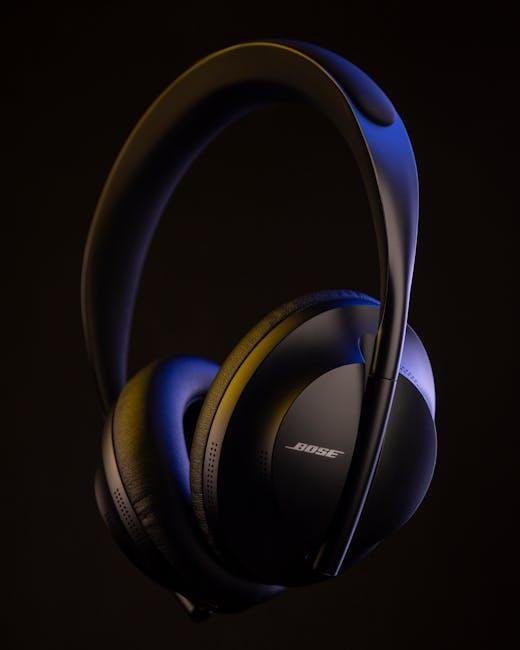
Bose Noise Cancelling Headphones 700: Precision in Speech Detection
Bose’s openness mode and adaptive ANC intelligently prioritize human voice frequencies, an essential feature during multi-person video conferences. Its proprietary acoustic architecture reduces pressure build-up inside ear cups, promoting comfort during marathon coding days. The headphone’s balanced driver technology delivers well-rounded sound,with an emphasis on midrange clarity.
Apple AirPods Max: Seamless Ecosystem and Spatial Audio
Apple’s AirPods Max combine computational audio with spatial audio rendering, enriching immersive focus environments for developers working on AR/VR or spatialized user interfaces. The hybrid ANC system ranks high for user-controlled noise suppression, and the seamless integration with macOS and iOS devices offers a no-compromise user experience in Apple-centric workflows.
Workplace Acoustics and the Strategic Role of Noise-Cancelling Headphones
Environmental Noise Profiles in Tech Offices vs Remote Workspaces
Tech office environments vary dramatically: from open-plan chaos to quiet private offices. Remote work adds unpredictable home ambient noise, including children, pets, or street sounds. Engineering teams analyzing noise frequency spectra find typical office background noise clusters between 100 Hz and 1 kHz. The best ANC headphones offer robust cancellation focused on these ranges plus adaptive filtering to preserve crucial speech frequencies crucial for team communications.
Complementing Headphones with Soundscaping Software
Pairing ANC headphones with software-generated soundscapes—white noise, brown noise, or binaural beats—synergizes auditory focus. Some advanced headphones provide built-in soundscapes, leveraging embedded DSP and FPGA technology to generate fully customizable ambiances. For developers, this approach reduces distractions while enhancing cognitive performance during complex coding tasks.
Developer-Centric Features Shaping Future ANC Headphone Innovations
Telemetry and Usage Analytics for Corporate Fleet Management
enterprises outfitting large teams with ANC headphones can benefit from telemetry SDKs that capture battery health, usage hours, and ANC efficacy. Integration with Mobile Device Management (MDM) platforms enables real-time monitoring and preemptive replacement cycles, minimizing downtime and improving IT support economics.
Open Firmware and Community-Driven enhancements
Some manufacturers have embraced open firmware paradigms, allowing developers to customize ANC algorithms, audio profiles, and behaviour triggers through APIs. This ecosystem fosters innovation and tailored experiences, particularly valuable for technical professionals who want deeper control over their gear’s auditory environment. Projects on GitHub illustrate growing interest in custom ANC mods focused on developer comfort and workflow integration.
insight: The future of noise-cancelling headphones lies in seamless AI-powered adaptation to user context, bridging acoustic engineering with software intelligence to create truly distraction-free zones in the modern workspace.
Checklist: Selecting the
- ANC Architecture: Prefer hybrid ANC for broad frequency cancellation and minimized audio artifacts.
- Audio Quality: Look for driver tech tailored to clarity in speech and low distortion.
- Comfort: Opt for lightweight designs with breathable ear cushions and adjustable tension headbands.
- Latency: Choose devices with low-latency codec support (aptX Adaptive, LDAC) for real-time work.
- Battery: minimum 20+ hours with fast charging and safe battery management.
- Connectivity: Multipoint Bluetooth and multi-codec support for device flexibility.
- Software Features: Customizable ANC profiles and companion app usability.
- ecosystem: Consider integration with preferred operating systems and development tools.
Common Pitfalls and How to Avoid them When Choosing Focused Work Headphones
Overemphasis on marketing Specs
Many headphones inflate noise reduction claims without real-world validation. Independent lab measurements and peer reviews from tech journals provide more accurate guidance than vendor marketing alone.
Neglecting Long-Term Comfort Testing
Wear headphones for extended periods before purchase when possible. Pressure hotspots and heat buildup commonly cause discomfort that interrupts focused work.
Ignoring Firmware and Update policies
Regular firmware updates improve ANC algorithms and fix bugs. Vendors with active update cycles and good support forums are preferable to ensure longevity of the investment.
Industry Outlook: The Evolution of Noise-Cancelling Headphones in Tech Workspaces
Emerging AI-powered Noise Suppression and User Profiling
next-generation headphones will increasingly employ AI to not only cancel noise but also learn user preferences and contextual work patterns.Acoustic modeling combined with biosignal detection (e.g., heart rate or EEG inputs) may dynamically adjust ANC for optimal cognitive states.
Integration with Augmented and Mixed Reality Workflows
As AR/MR devices enter developer workflows, noise-cancelling headphones will extend beyond audio fidelity to incorporate spatial awareness features, enabling precise 3D audio layering without losing focus in mixed-reality environments.
Sustainability and Modular Repairability Practices
Growing consumer and corporate demand for sustainable technology is pushing headphone manufacturers toward modular components, recyclable materials, and longer software support — all crucial for enterprise tech buyers balancing performance with environmental obligation.
summation: engineering Excellence as the Foundation for Distraction-Free Work
The best noise-cancelling headphones for focused work represent a convergence of cutting-edge acoustic engineering, embedded DSP innovation, and ergonomic design tuned to the demands of today’s technology professionals. from hybrid ANC architectures meticulously crafted for latency and cancellation depth, to high-fidelity drivers and adaptive software ecosystems, choice in this space transcends marketing buzz and delves into nuanced tradeoffs tailored for the developer, engineer, and researcher mindset.
_The future looks exciting! Advancements in AI-driven acoustic environments and seamless device integration promise to further elevate the noise-cancelling headphones as essential instruments for intellectual productivity in technology-driven workspaces._