

{
“@type”: “Article”,
“author”: {
“url”: “https://htexs.com”,
“name”: “Htexs”,
“@type”: “Organization”
},
“@context”: “https://schema.org”,
“headline”: “7 Smart Ways to Save with Tech: Practical Tips for Everyone”,
“publisher”: {
“url”: “https://htexs.com”,
“name”: “Htexs”,
“@type”: “Organization”
},
“inLanguage”: “en”,
“description”: “Explore 7 smart ways to save with tech. Learn practical, effective tips to reduce costs and maximize value with modern technology solutions.”,
“datePublished”: “2025-10-18T00:40:29.209Z”
}
Did you know that simple tech choices can lead to big savings? The average household can save up to $11,000 over a lifetime just by switching to energy-efficient gadgets. As technology evolves, so do the ways we can cut daily expenses, trim utility bills, and make devices last longer. By understanding these smart strategies, you can reduce costs and take control of your home’s energy use, digital services, and technology investments.
Quick Summary
| Takeaway | Explanation |
|---|---|
| 1. Replace devices with energy-efficient models | Investing in Energy Star appliances can save about $11,000 over their lifetime. |
| 2. Use free open-source software alternatives | Tools like LibreOffice and GIMP provide functional replacements for costly software without compromising quality. |
| 3. Automate home devices for energy savings | Smart thermostats and automated lighting can reduce energy bills by up to 18% through optimized usage. |
| 4. Adopt cloud storage for significant cost savings | Transitioning to cloud solutions can slash storage costs by over 88% compared to traditional methods. |
| 5. Embrace DIY repairs to save money | Learning simple repair skills can prevent expensive professional services and reduce electronic waste. |
Table of Contents
- Leverage Energy-Efficient Gadgets For Lower Bills
- Utilize Free And Open-Source Software Alternatives
- Automate Home Devices To Cut Utility Costs
- Adopt Cloud Storage For Scalable Data Savings
- Take Advantage Of Smart Deals And Price Trackers
- Maximize Device Lifespan Through Proper Maintenance
- Save Money With Diy Tech Solutions And Repairs
1. Leverage Energy-Efficient Gadgets for Lower Bills
Smart technology offers a powerful pathway to reducing your household energy expenses through strategic gadget selection. By focusing on energy-efficient devices, you can cut electricity costs while simultaneously minimizing your environmental footprint.
According to the International Energy Agency’s One Watt Initiative, household electricity consumption from standby power can account for up to 10% of total energy use. This ‘vampire power’ silently drains electricity even when devices appear turned off. Modern energy-efficient gadgets combat this waste by dramatically reducing standby power consumption.
Consider the substantial long-term savings potential. Kiplinger’s recent guide reveals that Energy Star-rated appliances can generate lifetime savings of approximately $11,000 per home. LED lighting alone can slash lighting costs by up to 75%, making these simple upgrades incredibly impactful.
To start saving, prioritize replacing high-energy consuming devices:
- Smart power strips that automatically cut power to idle electronics
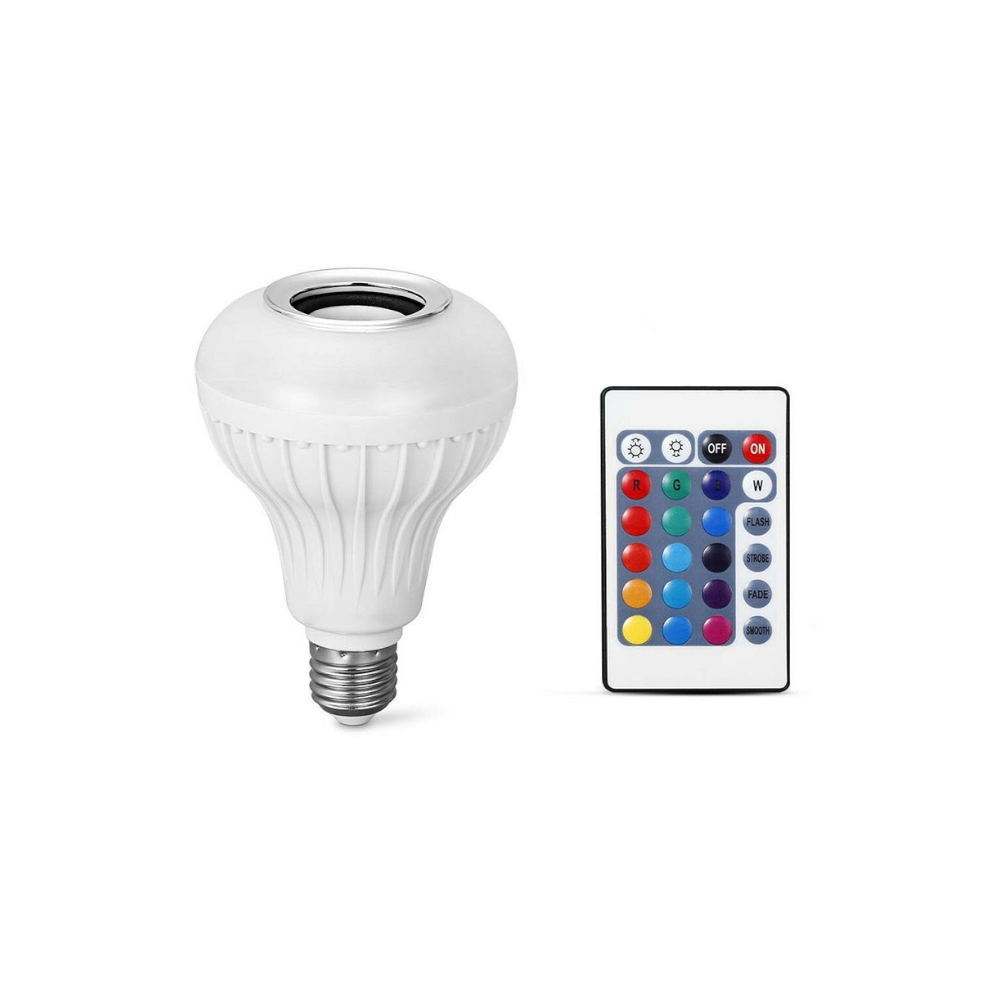
- LED light bulbs with integrated energy monitoring
- Energy Star certified refrigerators, washers, and dryers
- Smart thermostats that optimize heating and cooling cycles
Read our guide on understanding energy efficiency to dive deeper into smart energy management strategies that can transform your home’s electricity consumption.
2. Utilize Free and Open-Source Software Alternatives
Saving money in the digital age doesn’t just mean cutting hardware costs. Smart consumers are discovering powerful free and open-source software alternatives that deliver professional-grade functionality without the hefty price tag.
Open-source software represents a revolutionary approach to technology where programs are developed collaboratively and made freely available. These community-driven tools often match or even exceed the performance of expensive commercial software, providing an intelligent way to reduce your digital expenses.
For everyday computing needs, numerous high-quality alternatives can replace costly proprietary software:
- Productivity Suite: LibreOffice instead of Microsoft Office
- Image Editing: GIMP as an alternative to Adobe Photoshop
- Video Editing: Kdenlive replacing expensive professional editing tools
- Design Software: Inkscape for vector graphics
- Operating System: Linux distributions for those wanting to avoid Windows licensing fees
Beyond cost savings, open-source software offers additional benefits like enhanced privacy, regular community-driven updates, and greater customization potential. You gain more control over your digital ecosystem while keeping money in your pocket.
Our future-proof living guide explores how innovative technology choices can help you optimize both your digital and financial landscape. By embracing these alternatives, you’re not just saving money you’re participating in a global movement of collaborative technological innovation.
3. Automate Home Devices to Cut Utility Costs
Home automation represents a game changing strategy for slashing utility expenses without compromising comfort or convenience. Smart technology enables precise energy management that adapts to your lifestyle while delivering significant financial savings.
According to Energy Star studies, smart home technologies can generate impressive utility reductions. Smart thermostats alone can decrease heating and cooling costs by 10 to 12 percent, translating to annual savings between $131 and $145. When combined with intelligent lighting systems, energy consumption can plummet even further.
Research from empirical simulations suggests that context-aware automation systems can potentially reduce energy costs by 18 percent or more through strategic load shifting and smart scheduling. This means your devices learn your usage patterns and optimize energy consumption automatically.
To transform your home into an energy-efficient powerhouse, consider implementing these automation strategies:
- Smart thermostats that learn your temperature preferences
- Motion-activated LED lighting systems
- Automated power strips that eliminate standby energy waste
- Smart plugs with scheduling capabilities
- Integrated home energy monitoring systems
Discover how reliable smart technology can transform your home and unlock unprecedented utility savings. The initial investment in these technologies pays for itself through consistent, long-term energy cost reductions.
4. Adopt Cloud Storage for Scalable Data Savings
Cloud storage has revolutionized how individuals and businesses manage digital information, offering a smart pathway to reduce technology expenses while enhancing data accessibility and security. Modern cloud solutions provide an intelligent alternative to traditional data storage methods.
Comparing cloud storage with on-premises solutions reveals dramatic cost differences. According to recent research, small and medium businesses can save substantially. While traditional on-premises storage might cost around $80,200 annually, cloud alternatives can reduce expenses to approximately $9,600 per year. This represents a potential savings of over 88% in data management costs.
Key advantages of cloud storage extend beyond mere financial benefits. These platforms offer scalable solutions that grow with your needs, eliminating massive upfront hardware investments. For organizations requiring 100 TB of storage, cloud services dramatically reduce initial capital expenditure compared to purchasing and maintaining physical infrastructure.
To maximize cloud storage savings, consider these strategic approaches:
- Choose tiered storage plans that match your actual data needs
- Utilize providers offering free baseline storage
- Implement data compression and efficient archiving
- Regularly audit and clean unnecessary files
- Compare multiple cloud provider pricing models
Learn more about reliable smart technology that can transform your data management strategy. Cloud storage represents more than a cost-saving tool it is a gateway to more flexible, secure, and efficient digital infrastructure.
5. Take Advantage of Smart Deals and Price Trackers
In the digital marketplace, savvy consumers can unlock significant savings by leveraging technology designed to find the best prices and track deals across multiple platforms. Smart price tracking transforms how you shop, turning comparison shopping from a time consuming task into an automated, effortless strategy.
Automated cost optimization tools demonstrate the potential of smart deal hunting. Research indicates that strategic tracking and comparison can yield savings up to 40% by identifying the most cost effective options across various services and products. These tools work continuously in the background, monitoring price fluctuations and alerting you to the most opportune moments to make purchases.

Technology offers multiple ways to maximize your savings potential:
- Price comparison browser extensions
- Automated deal notification services
- Cashback and rewards tracking platforms
- Coupon aggregation websites
- Dynamic price tracking apps for electronics and travel
When it comes to digital services like cloud storage, the savings potential is substantial. According to TechRadar’s 2025 guide, providers like IDrive, pCloud, and Google Drive offer competitive pricing structures with free tiers and lifetime plans that can dramatically reduce your long term expenses.
Our future-proof living guide explores how innovative digital strategies can help you optimize your spending across multiple domains. By embracing smart tracking technologies, you transform from a passive consumer into a strategic savings expert.
6. Maximize Device Lifespan Through Proper Maintenance
Your electronic devices represent significant financial investments that can be dramatically extended through strategic maintenance and thoughtful care. Proper device management not only preserves functionality but also delivers substantial long-term economic benefits.

The Climate Savers Computing Initiative demonstrated remarkable insights into device efficiency, revealing that effective power management could reduce electricity consumption by up to 60% without compromising productivity. This approach translates directly into prolonged device lifespan and reduced replacement costs.
Proactive maintenance strategies involve more than simple cleaning and updates. They require a holistic approach to device management that considers thermal regulation, software optimization, and usage patterns. By implementing systematic care protocols, you can prevent premature wear and maintain peak performance.
Consider these critical maintenance practices for your electronic devices:
- Regularly update software and firmware
- Use surge protectors to prevent electrical damage
- Clean devices and remove dust from internal components
- Optimize battery charging cycles
- Implement comprehensive cooling strategies
- Use original chargers and high-quality accessories
Discover how reliable smart technology can help you develop robust maintenance strategies. Treating your devices as long-term investments rather than disposable commodities represents a smart approach to technology consumption.
7. Save Money with DIY Tech Solutions and Repairs
Technology has democratized repair and maintenance, empowering consumers to save substantial money through intelligent do-it-yourself approaches. DIY tech solutions transform costly professional services into affordable personal projects that require minimal specialized knowledge.
The U.S. Department of Energy highlights the potential of tech-enabled home improvements through their Home Energy Saver tool, which enables consumers to perform personalized energy audits. These self-guided assessments help homeowners make informed decisions about upgrades and behavioral changes that directly impact utility expenses.
According to Kiplinger’s personal finance research, simple DIY interventions can generate significant savings. Energy-efficient practices like sealing air leaks, adjusting thermostat settings, maintaining HVAC systems, and using cold water for laundry represent low-cost strategies with meaningful financial impacts.
Embrace these practical DIY tech repair and optimization strategies:
- Learn basic electronic repair skills through online tutorials
- Utilize diagnostic smartphone apps for troubleshooting
- Invest in multipurpose repair tool kits
- Watch manufacturer repair guides on video platforms
- Purchase affordable replacement components online
- Join community repair forums and knowledge sharing platforms
Our future-proof living guide explores how innovative approaches can transform your relationship with technology. By developing repair skills, you not only save money but also contribute to reducing electronic waste and promoting sustainable consumption.
Below is a comprehensive table summarizing the strategies and benefits discussed in the article on saving money through technology.
| Strategy | Implementation | Expected Results |
|---|---|---|
| Leverage Energy-Efficient Gadgets | Use smart power strips, LED bulbs, and Energy Star appliances | Reduced electricity costs and environmental impact |
| Utilize Free and Open-Source Software | Replace proprietary software with LibreOffice, GIMP, and Linux | Cost savings and enhanced privacy |
| Automate Home Devices | Implement smart thermostats and motion-activated lighting | Utility cost reductions of 10-18% |
| Adopt Cloud Storage | Choose tiered plans, audit data regularly | 88% savings on data management costs |
| Take Advantage of Smart Deals | Use price comparison extensions and deal trackers | Up to 40% savings on purchases |
| Maximize Device Lifespan | Regular updates, use surge protectors, optimize battery cycles | Extended device functionality and reduced replacement costs |
| DIY Tech Solutions and Repairs | Learn repair skills, use diagnostic apps, buy replacement parts online | Significant savings and reduced electronic waste |
Ready to Make Tech Savings Work for You?
Are you tired of rising utility bills, confusing product choices, or technology that promises savings but falls short? Our article, “7 Smart Ways to Save with Tech: Practical Tips for Everyone,” highlights how everyday tech can help you lower costs, extend device life, and take charge of your digital expenses. But knowing what to buy and how to use it can still feel overwhelming. That is where HTEXS How to Guides come in. Get step-by-step advice to use energy-efficient gadgets, automate your home, and implement DIY tech solutions that deliver real results.

For honest reviews on the latest smart tools, visit our Product Reviews. Whether you want reliable product picks or clever hacks from industry experts, HTEXS is your trusted partner for simplified tech and smarter savings. Explore now and start taking control of your technology spending today.
Frequently Asked Questions
How can I reduce my energy bills using smart technology?
To reduce your energy bills, invest in energy-efficient gadgets like smart thermostats and LED lighting. Begin by replacing old, high-energy consuming devices with Energy Star-rated products; this could lead to savings of up to 75% on your lighting costs.
What are some free software alternatives to reduce my technology expenses?
Many free and open-source software options can replace costly proprietary programs. For everyday needs, consider using LibreOffice for documents or GIMP for image editing; these alternatives can provide similar functionality without the price tag.
How does home automation help me save on utility costs?
Home automation can significantly cut your utility bills by optimizing energy use. Implement smart devices like thermostats and motion-activated lighting, and you may reduce heating and cooling costs by 10% or more immediately.
What maintenance practices can extend the lifespan of my electronic devices?
Proper maintenance can prolong the life of your devices, reducing replacement costs. Regularly update software and clean internal components, and consider using surge protectors to avoid electrical damage; these steps can help extend device longevity by several years.
How can I effectively use DIY to save money on tech repairs?
You can save money on tech repairs by learning basic DIY techniques to troubleshoot and fix your devices. Start by watching online tutorials and using diagnostic apps to identify issues, which can significantly lower repair costs compared to hiring professionals.
What strategies can I employ to take advantage of smart deals and price trackers?
Utilize price comparison tools and automated notifications to track the best deals on products and services. Set up alerts for price drops, which can lead to savings of up to 40% when you purchase at the right time.
Recommended
- Tax Credits – htexs.com
- Future-Proof Living: Our Roadmap to Net-Zero Homes by 2025 – htexs.com
- How to Effortlessly Sync Your External Recorder with Mirrorless Cameras in Just 6 Steps – htexs.com
- How Much Will Solar Panels Save Me Calculator: Find Out Now – htexs.com