

{
“@type”: “Article”,
“author”: {
“url”: “https://htexs.com”,
“name”: “Htexs”,
“@type”: “Organization”
},
“@context”: “https://schema.org”,
“headline”: “7 Essential Energy-Saving Tech Products for Smart Users”,
“publisher”: {
“url”: “https://htexs.com”,
“name”: “Htexs”,
“@type”: “Organization”
},
“inLanguage”: “en”,
“description”: “Discover 7 essential energy-saving tech products that help reduce costs, boost efficiency, and promote eco-friendly habits with actionable tips for smart users.”,
“datePublished”: “2025-10-25T01:25:42.318Z”
}
Did you know the average household can save up to 30 percent on energy costs by using smart technology for everyday routines? Rising utility bills and growing environmental concerns make energy efficiency a top priority for many families. Discover practical solutions that help you cut power consumption, reduce waste, and enjoy a more comfortable home with the latest in smart home devices and energy-saving upgrades.

Table of Contents
- Smart Thermostats for Efficient Climate Control
- LED Lighting Solutions to Cut Power Consumption
- Advanced Power Strips to Eliminate Standby Drain
- Energy-Efficient Smart Home Appliances Explained
- Solar-Powered Chargers for Sustainable Energy
- Smart Plugs for Automated Energy Management
- Home Energy Monitors for Tracking and Savings
Quick Summary
| Takeaway | Explanation |
|---|---|
| 1. Smart thermostats reduce energy consumption. | They can cut energy use by up to 15% annually, optimizing heating and cooling based on your habits. |
| 2. LED lighting enhances efficiency significantly. | Consuming up to 90% less energy than incandescent bulbs, LEDs also have a longer lifespan and lower heat generation. |
| 3. Advanced power strips target standby power waste. | These strips can reduce standby energy drain by up to 10% through automatic power management features. |
| 4. Use smart plugs for better energy control. | Smart plugs allow users to automate and monitor energy usage, helping minimize waste from idle devices. |
| 5. Home energy monitors optimize consumption insights. | They provide real-time data on energy use, empowering users to make informed decisions and save on costs. |
1. Smart Thermostats for Efficient Climate Control
Smart thermostats represent a cutting-edge solution for transforming how we manage home heating and cooling systems. These intelligent devices go far beyond traditional temperature control, utilizing sophisticated data-driven algorithms to optimize energy consumption and personalize your home’s climate experience.
Research from MIT reveals that smart thermostats can significantly enhance energy efficiency by analyzing your specific usage patterns and environmental conditions. By learning your preferences and daily routines, these devices automatically adjust temperatures to minimize waste while maintaining optimal comfort.
Key Performance Benefits:
- Reduces energy consumption by up to 15% annually
- Provides real-time energy usage tracking
- Enables remote temperature control via smartphone apps
- Learns and adapts to your unique lifestyle patterns
According to research published in advanced technology journals, smart thermostat adoption is influenced by three critical factors: performance expectancy, price value, and ease of use. This means consumers are most likely to invest in devices that demonstrate clear utility, offer reasonable pricing, and require minimal technical expertise to operate.
Implementing a smart thermostat is straightforward. After installation, the device begins collecting data about your temperature preferences, occupancy patterns, and external weather conditions. Modern systems can integrate with other smart home technologies, creating a seamless ecosystem that prioritizes both comfort and energy efficiency.
For budget-conscious and environmentally aware homeowners, understanding energy efficiency becomes crucial in making informed technology investments. Smart thermostats represent an intelligent first step toward creating a more sustainable, cost-effective home environment.
2. LED Lighting Solutions to Cut Power Consumption
LED lighting represents a revolutionary approach to energy conservation in modern homes and workspaces. These advanced lighting solutions transform how we illuminate our environments while dramatically reducing electricity consumption and operational costs.
According to Haitz’s law, LED technology has experienced exponential improvements over the past decades. This technological progression means that LED lighting becomes increasingly efficient and affordable with each passing year. The remarkable trend shows that every ten years, the cost per lumen drops by a factor of 10, while the light generated per LED package increases by a factor of 20.
Key LED Efficiency Advantages:
- Consumes up to 90% less energy than traditional incandescent bulbs
- Significantly longer lifespan compared to conventional lighting
- Generates less heat and reduces cooling requirements
- Provides superior light quality and color rendering
One critical metric for evaluating LED performance is lumen maintenance, which measures how well these lighting solutions preserve their luminous output over time. High-quality LED systems can maintain optimal brightness levels for extended periods, ensuring consistent illumination while minimizing energy waste.
Practical implementation of LED lighting involves strategic replacement of existing bulbs and thoughtful lighting design. Start by replacing the most frequently used lights in your home or workspace. Focus on areas like kitchens, living rooms, and home offices where lighting plays a crucial role.
For those seeking a comprehensive approach to energy efficiency, 7 Essential Gadgets for Net-Zero Homes provides additional insights into creating an energy-conscious living environment. LED lighting serves as a foundational technology in this broader sustainability strategy, offering an immediate and impactful method of reducing electricity consumption.
By embracing LED lighting solutions, you can simultaneously reduce your carbon footprint, lower electricity bills, and enjoy superior lighting quality that adapts to modern technological standards.
3. Advanced Power Strips to Eliminate Standby Drain
Standby power consumption represents a hidden energy vampire in modern households, silently draining electricity even when electronic devices appear to be turned off. Advanced power strips offer an intelligent solution to this persistent energy waste problem, providing a strategic approach to reducing unnecessary power consumption.
How Standby Power Drain Works:
- Electronic devices consume electricity even when seemingly inactive
- Some devices draw up to 10% of their total energy during standby mode
- Gaming consoles, televisions, and smart home devices are prime culprits
- Traditional power strips do not effectively interrupt this passive energy draw
Advanced power strips utilize sophisticated technology to completely cut power to connected devices when they are not in active use. These intelligent strips feature multiple control mechanisms such as occupancy sensing, timer controls, and master outlet configurations that automatically manage energy flow.
Smart Features of Advanced Power Strips
Modern power strips come equipped with several innovative features designed to maximize energy efficiency. Some models can detect when a primary device like a television enters standby mode and subsequently shut down connected peripherals. Others allow manual programming of specific power management schedules, giving users granular control over their energy consumption.
Practical implementation involves strategic placement in home entertainment centers, home offices, and other areas with multiple electronic devices. By replacing standard power strips with advanced models, you can potentially reduce standby power consumption by up to 10% of your total household electricity usage.
For homeowners looking to take a comprehensive approach to energy efficiency, understanding what is energy efficiency becomes crucial. Advanced power strips represent a simple yet effective tool in creating a more sustainable and cost-effective home environment.
Beyond immediate energy savings, these smart power management solutions contribute to reducing overall carbon footprint and lowering monthly electricity bills. The initial investment in an advanced power strip can typically be recovered through energy savings within just a few months of use.
4. Energy-Efficient Smart Home Appliances Explained
Smart home appliances represent a groundbreaking approach to energy management, transforming how we interact with household technology and consume electricity. These intelligent devices go beyond traditional functionality, offering sophisticated energy monitoring and optimization capabilities that can dramatically reduce household power consumption.
Key Characteristics of Smart Home Appliances:
- Integrate advanced sensors and connectivity features
- Provide real-time energy consumption tracking
- Enable remote control through smartphone applications
- Automatically adjust performance for maximum efficiency
Modern smart appliances leverage sophisticated algorithms to analyze usage patterns and optimize energy consumption. Refrigerators can adjust cooling cycles based on contents and usage, washing machines can select precise water and energy levels for each load, and dishwashers can schedule operations during off peak electricity hours.
Implementation strategies involve selecting appliances with high energy efficiency ratings and smart connectivity features. Look for products with integrated WiFi capabilities that allow comprehensive monitoring and control through centralized smartphone applications. These systems provide granular insights into energy consumption, helping you make informed decisions about your household electricity usage.
Integrating smart technology into your home environment represents more than just a technological upgrade. It is a strategic approach to reducing environmental impact while simultaneously lowering monthly utility expenses. Smart appliances communicate with each other, creating an interconnected ecosystem that continuously optimizes energy performance.
Consumers can expect significant benefits beyond immediate energy savings. Smart home appliances often feature predictive maintenance capabilities, detecting potential issues before they become costly repairs. This proactive approach extends device lifespan and reduces overall environmental waste associated with premature appliance replacement.
5. Solar-Powered Chargers for Sustainable Energy
Solar-powered chargers represent a revolutionary approach to personal energy management, transforming how we power our portable electronic devices while reducing our carbon footprint. These innovative devices harness sunlight to generate electricity, providing a clean and renewable alternative to traditional charging methods.
Key Advantages of Solar Chargers:
- Generate electricity without grid dependency
- Reduce reliance on fossil fuel energy sources
- Offer portable power during outdoor activities
- Provide emergency backup charging capabilities
Research from the National Renewable Energy Laboratory highlights significant advancements in solar charging technology, emphasizing improvements in efficiency and portability. Modern solar chargers can now convert sunlight into electrical energy with remarkable precision, making them increasingly viable for everyday use.
Practical implementation involves selecting solar chargers compatible with your specific electronic devices. Look for models with multiple USB ports, integrated battery storage, and weather resistant designs. Some advanced chargers feature foldable panels that maximize surface area for capturing solar energy, making them ideal for camping, hiking, or emergency preparedness.
For those interested in deeper insights into renewable energy strategies, understanding solar benefits can provide comprehensive knowledge about sustainable energy solutions. Solar chargers represent more than just a technological novelty they are a tangible step towards personal energy independence.
Consumers can maximize their solar charging experience by positioning panels in direct sunlight, maintaining clean solar surfaces, and understanding the charging capacity of their specific devices. While solar chargers might have limitations during cloudy conditions, they offer an environmentally conscious alternative to traditional electricity consumption.
6. Smart Plugs for Automated Energy Management
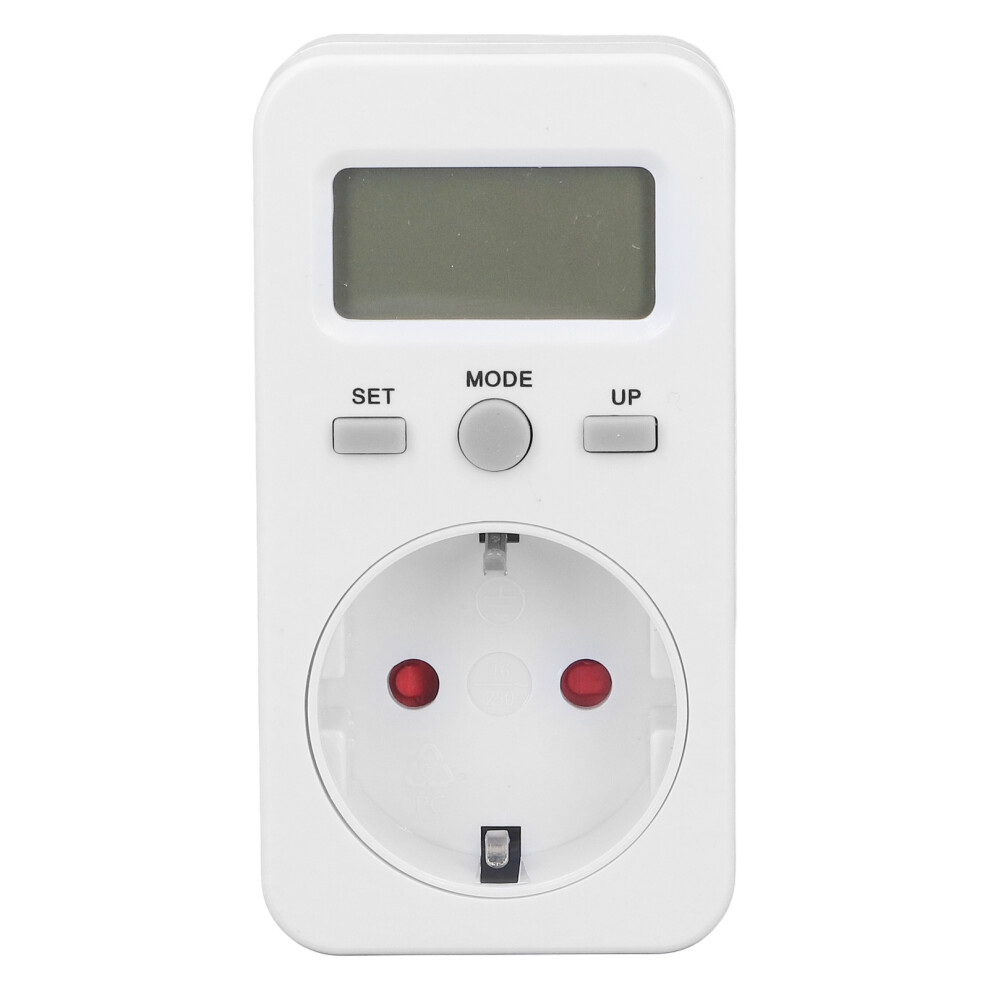
Smart plugs represent a revolutionary technology that transforms traditional electrical outlets into intelligent energy management systems. These compact devices enable users to monitor, control, and optimize electricity consumption for connected appliances through smartphone applications and advanced automation features.
Key Features of Smart Plugs:
- Enable remote device power control
- Track real time energy consumption
- Create automated scheduling for electronics
- Integrate with voice assistant platforms
- Provide detailed energy usage insights
By plugging electronic devices into smart plugs, consumers gain unprecedented control over their electricity usage. These innovative devices can automatically power down electronics during non use periods, eliminating unnecessary standby power consumption and reducing overall energy waste.
Implementation strategies involve identifying high energy consuming devices like entertainment systems, home office equipment, and kitchen appliances. Smart plugs allow granular control allowing you to set specific operational schedules reduce phantom energy drain and potentially lower monthly electricity bills.
For tech enthusiasts seeking comprehensive energy management strategies, 7 smart ways to save with tech provides additional insights into leveraging technology for sustainable living. Smart plugs represent an accessible entry point into home automation and energy efficiency.
Advanced models offer additional features like energy consumption tracking, compatibility with smart home ecosystems, and integration with broader home automation platforms. Users can create complex rules such as automatically turning off gaming consoles after a set period or powering down home office equipment during non working hours.
7. Home Energy Monitors for Tracking and Savings
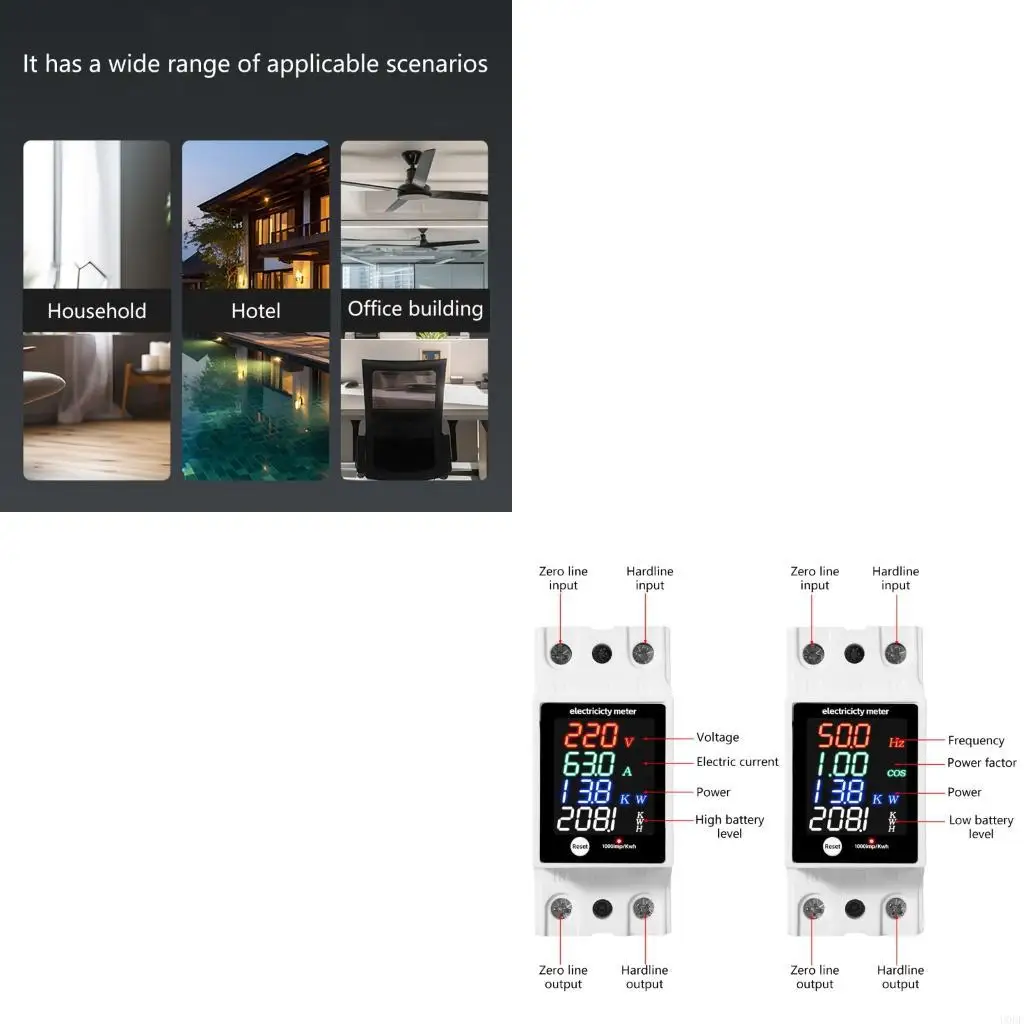
Home energy monitors represent a groundbreaking technology that empowers consumers to understand and optimize their electricity consumption with unprecedented precision. These intelligent devices transform abstract energy usage into clear, actionable insights, helping households make informed decisions about their electricity expenditure.
Key Benefits of Home Energy Monitors:
- Provide real time electricity consumption data
- Identify high energy consuming appliances
- Track cost and usage patterns
- Help reduce overall energy expenses
- Enable personalized energy efficiency strategies
Modern energy monitors connect directly to your home electrical panel or individual circuits, capturing granular data about electricity usage across different devices and time periods. By translating complex electrical consumption into user friendly visualizations, these devices make energy management accessible and engaging for everyday consumers.
Practical implementation involves installing monitors that integrate seamlessly with smartphone applications, allowing you to track energy consumption remotely. Some advanced models provide predictive analytics, helping you forecast potential electricity costs and suggesting optimization strategies for reducing waste.
For tech enthusiasts seeking comprehensive energy management strategies, how much solar panels could save you offers complementary insights into potential renewable energy savings. Home energy monitors serve as a critical first step in understanding and controlling your household electricity consumption.
Beyond immediate cost savings, these devices contribute to broader environmental sustainability efforts by encouraging mindful energy consumption. By providing transparent, detailed information about electricity usage, home energy monitors transform abstract conservation concepts into tangible, actionable strategies for reducing personal carbon footprints.
Below is a comprehensive table summarizing the key energy-efficient technologies and strategies discussed in the article.
| Technology | Key Features | Benefits |
|---|---|---|
| Smart Thermostats | Data-driven algorithms, remote control | Reduce energy consumption by 15%, enhance comfort |
| LED Lighting | Low energy use, long lifespan | Save up to 90% energy, better light quality |
| Advanced Power Strips | Control mechanisms, eliminate standby drain | Reduce energy waste by up to 10%, low cost |
| Smart Appliances | Real-time monitoring, remote control | Optimize energy use, extend device lifespan |
| Solar Chargers | Portable, grid-independent | Renewable power source, suitable for outdoor use |
| Smart Plugs | Automated scheduling, energy tracking | Reduce phantom load, integrate with smart homes |
| Home Energy Monitors | Real-time consumption data, analytics | Lower costs, provide personalized strategies |
Discover Smart Solutions to Maximize Your Energy Savings Today
Feeling overwhelmed by the challenge of managing energy consumption at home The article highlights key pain points such as wasted standby power, inefficient lighting, and the need for smart automation to achieve real savings in comfort and cost. You want to reduce your electricity bills without sacrificing convenience while embracing emerging technologies like smart thermostats, LED lighting, and energy monitors for a future-focused home.
At HTEXS we understand that navigating this complex landscape calls for clear guidance and trusted recommendations. Our Product Reviews and Tips And Techniques sections deliver unbiased insights that simplify decisions and equip you to act confidently. Imagine controlling your energy use effortlessly with smart plugs and advanced power strips, tracking consumption with home energy monitors, and powering devices sustainably with solar chargers.


Take control of your energy future now by visiting HTEXS for expert advice tailored to smart users like you. Explore proven strategies and tech choices that help you save money and reduce your carbon footprint. Start your journey toward a smarter, more efficient home today.
Frequently Asked Questions
What are the key benefits of using smart thermostats for energy saving?
Smart thermostats can reduce energy consumption by up to 15% annually by learning your temperature preferences and adjusting automatically. To maximize savings, install a smart thermostat and let it learn your daily routines to maintain comfort while minimizing waste.
How can LED lighting help lower electricity bills?
LED lighting uses up to 90% less energy compared to traditional bulbs, significantly reducing electricity costs. Start by replacing frequently used lights, like in your kitchen or living room, to start saving right away.
What features should I look for in advanced power strips to eliminate standby drain?
When choosing advanced power strips, look for features like timer controls and occupancy sensing that cut power to devices when not in use. Replace your standard strips with advanced models to potentially reduce standby power consumption by up to 10% of your total electricity usage.
How can smart home appliances contribute to energy efficiency?
Smart home appliances optimize energy consumption by adjusting their operation based on your usage patterns and can be controlled remotely. Choose appliances with smart connectivity features to allow real-time tracking and set schedules for maximum efficiency.
What should I consider when using solar-powered chargers?
Solar-powered chargers can generate electricity independently of the grid and are great for outdoor use. Ensure you position the solar panels in direct sunlight and maintain their surfaces clean to maximize charging efficiency.
How do smart plugs help manage energy consumption effectively?
Smart plugs allow you to monitor and control the energy usage of your devices remotely. Identify high-energy consuming devices in your home and connect them to smart plugs to automate schedules, potentially lowering your monthly electricity bills.
Recommended
- 7 Smart Ways to Save with Tech: Practical Tips for Everyone – htexs.com
- 7 Essential Gadgets for Net-Zero Homes: A Practical Guide – htexs.com
- Understanding What is Energy Efficiency in Simple Terms – htexs.com