Did you know that the average household wastes up to 30 percent of its electricity on unnecessary energy use each year? Rising utility bills and hidden energy drains can quickly eat into your budget. By understanding where your energy goes and making simple adjustments, you can cut costs and improve efficiency without sacrificing comfort. Discover practical ways to take control of your energy consumption and see real changes in your utility expenses.
Table of Contents
- Step 1: Assess Current Energy Consumption
- Step 2: Identify Major Energy Drain Points
- Step 3: Implement Smart Automation Solutions
- Step 4: Optimize Device And System Settings
- Step 5: Verify Results And Fine-Tune Strategies
Quick Summary
| Key Point | Explanation |
|---|---|
| 1. Assess Energy Consumption | Collect utility bills and device inventories to evaluate energy trends. |
| 2. Identify Major Drain Points | Focus on appliances and systems that consume the most energy. |
| 3. Implement Smart Automation | Use smart devices to optimize energy usage automatically. |
| 4. Optimize Device Settings | Adjust settings on devices for better efficiency and reduced consumption. |
| 5. Verify Results Regularly | Track energy consumption and refine strategies for ongoing improvement. |
Step 1: Assess Current Energy Consumption
Understanding your current energy consumption is the critical first step in creating an effective energy savings strategy. In this section, you will learn how to systematically evaluate and document your household or facility’s energy usage patterns.
Start by collecting utility bills from the past 12 months. These documents provide a comprehensive view of your energy consumption across different seasons and usage periods. According to the guide on understanding energy efficiency, tracking historical data helps identify consumption trends and potential waste areas.
Next, conduct a detailed walkthrough of your space. Create an inventory of all electrical devices and appliances, noting their power ratings and estimated daily usage time. Use a simple spreadsheet to record each item’s wattage and average hours of operation. The U.S. Department of Energy recommends this approach to help facilities track energy consumption and identify significant energy end uses.
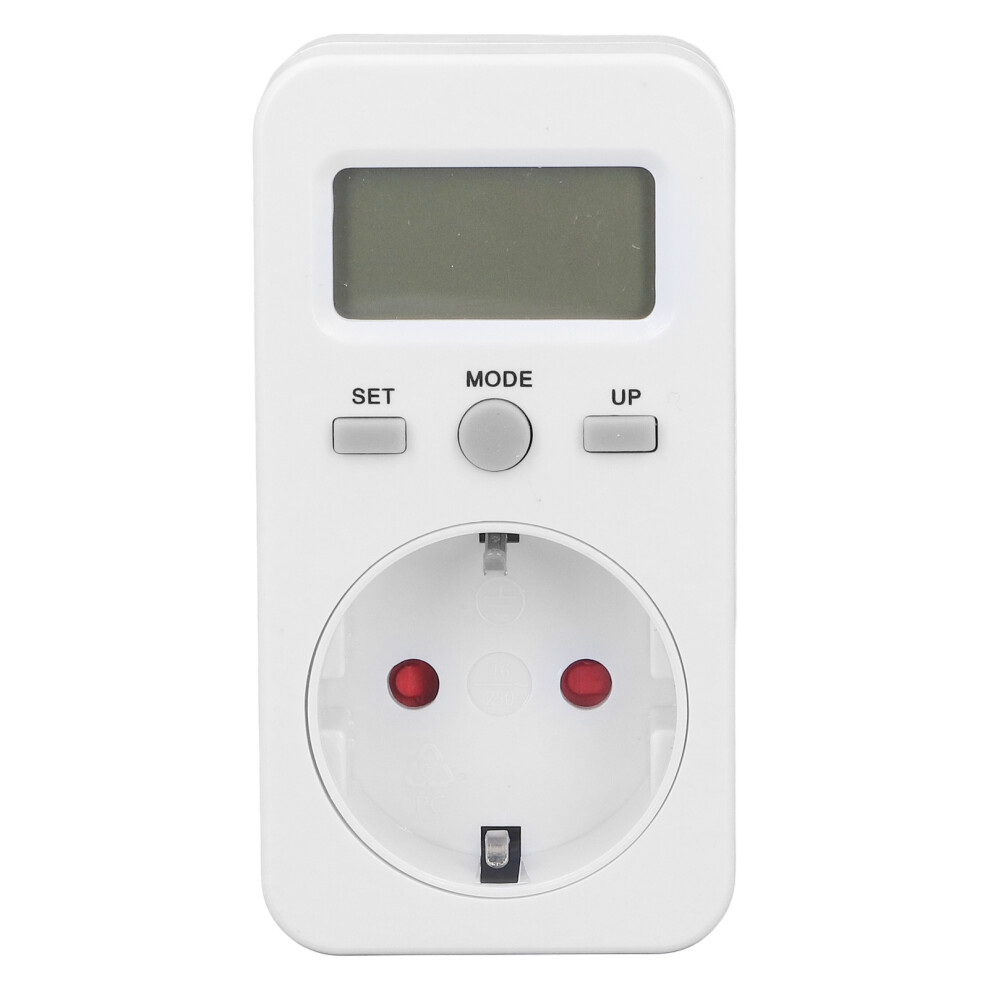
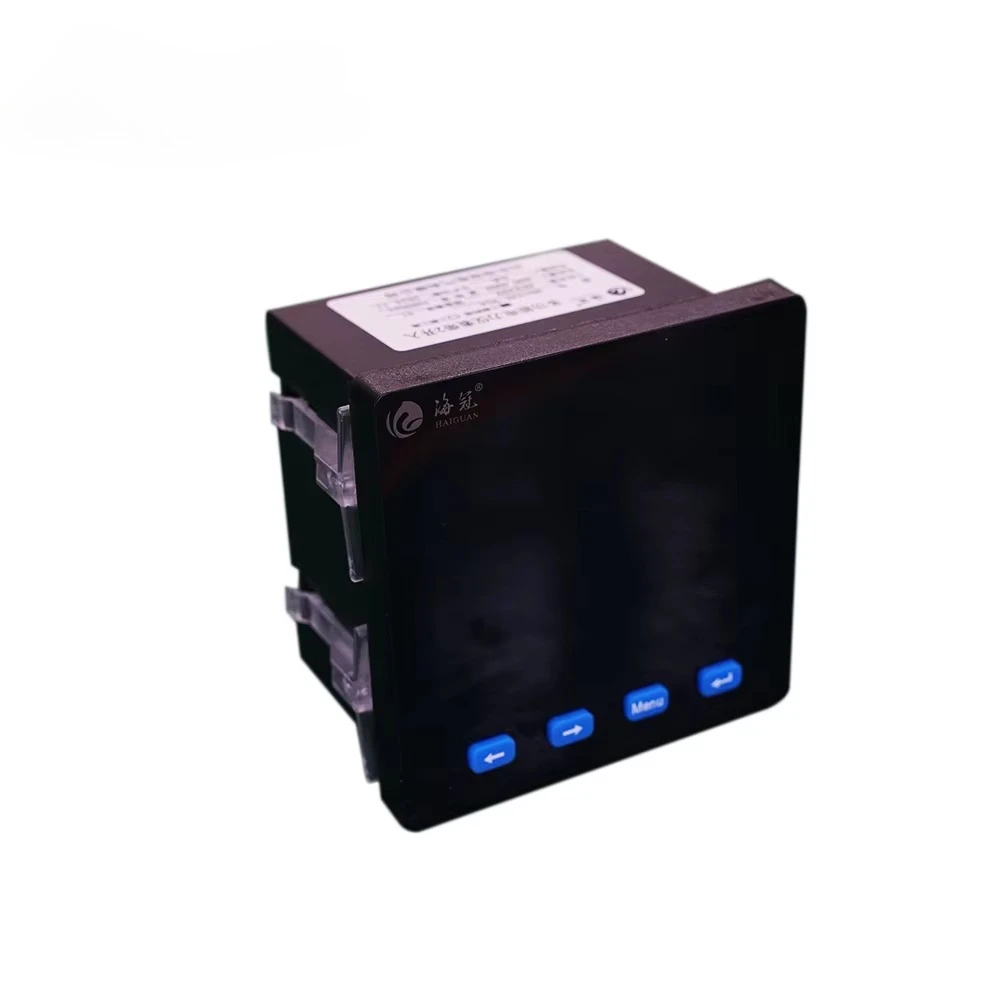
For a more precise assessment, consider using an electricity usage monitor. These affordable devices plug directly into outlets and measure the exact energy consumption of individual appliances. By monitoring each device, you can pinpoint unexpected energy drains and prioritize efficiency improvements.
Pro Tip: Remember that standby power from electronics can account for up to 10% of residential electricity consumption. Unplug devices or use smart power strips to eliminate this hidden energy waste.
As you complete this assessment, you will have a clear snapshot of your current energy consumption patterns. This foundational data will guide your subsequent optimization strategies and help you make informed decisions about reducing energy usage.
Step 2: Identify Major Energy Drain Points
After mapping out your energy consumption, the next critical phase is identifying where most of your energy gets wasted. This step helps you target specific areas for meaningful energy savings and efficiency improvements.
Begin by analyzing your energy inventory from the previous assessment. According to the U.S. Department of Energy’s Energy Footprint Tool, you want to focus on tracking significant energy end uses. Pay special attention to appliances and systems that run continuously or consume high wattage.
Typically, major energy drain points include heating and cooling systems, water heaters, refrigeration units, lighting, and electronics. Your HVAC system often represents the largest energy consumer in most homes and facilities. For instance, an older air conditioning unit might use substantially more electricity compared to newer energy efficient models.
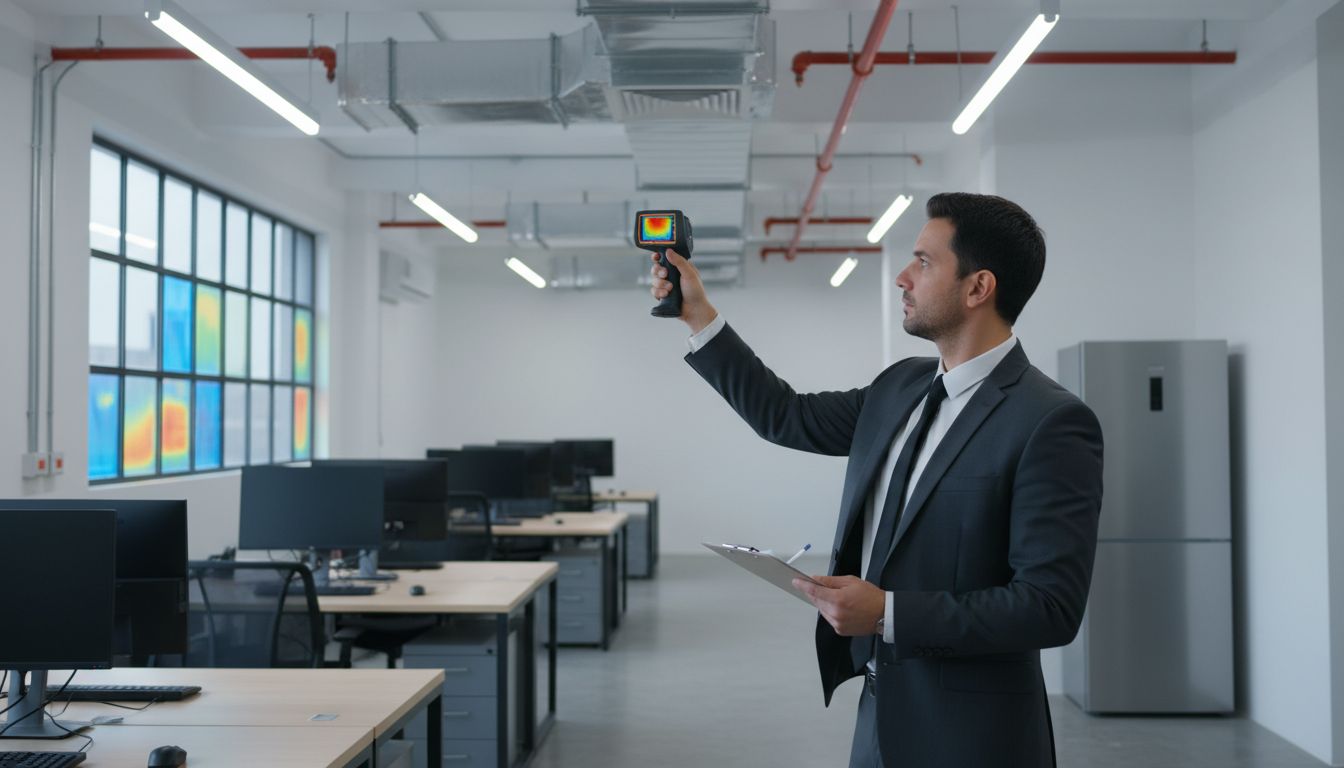
Use thermal imaging or professional energy auditing tools to detect hidden energy losses. These tools can reveal unexpected heat transfer points such as poorly insulated walls, drafty windows, or inadequate ceiling insulation. As recommended in the future proof living roadmap, identifying these subtle energy leak points can dramatically improve overall efficiency.
Pro Tip: Older appliances typically consume 30 to 50 percent more energy than modern energy star rated equivalents. Consider upgrading high consumption devices for long term savings.
By systematically identifying these major energy drain points, you create a targeted strategy for reducing unnecessary energy consumption. The insights gained will directly inform your upcoming optimization efforts and potential equipment replacement or upgrade decisions.
Step 3: Implement Smart Automation Solutions
Smart automation solutions represent a powerful strategy for reducing energy consumption and improving overall system efficiency. In this step, you will learn how to integrate intelligent technologies that can automatically manage and optimize your energy usage.
Start by identifying key areas where automation can make the most impact. Smart thermostats, for example, can learn your temperature preferences and automatically adjust settings to minimize energy waste. According to research from Cornell University’s Building Energy Dashboard, real-time data monitoring can significantly enhance energy management strategies.
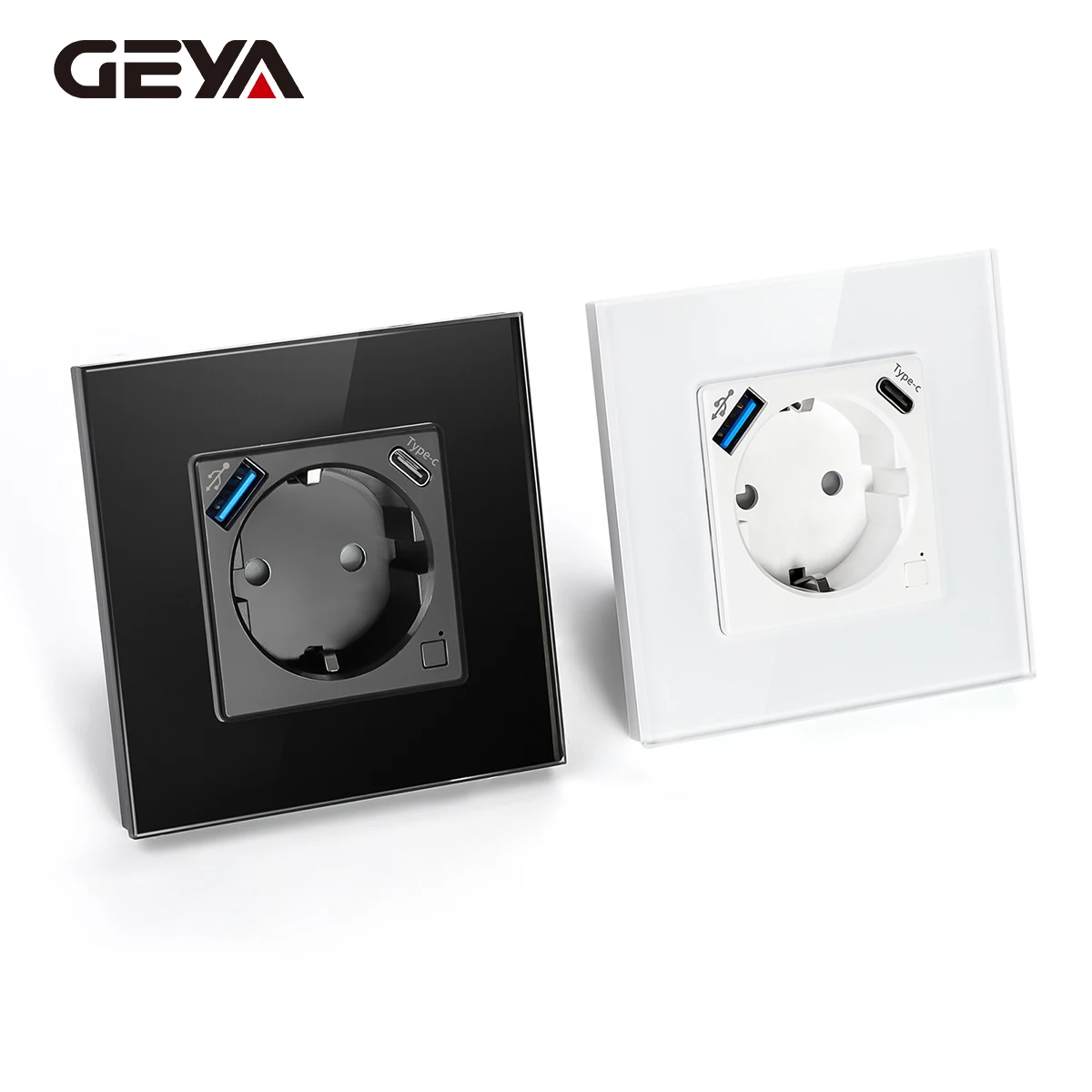
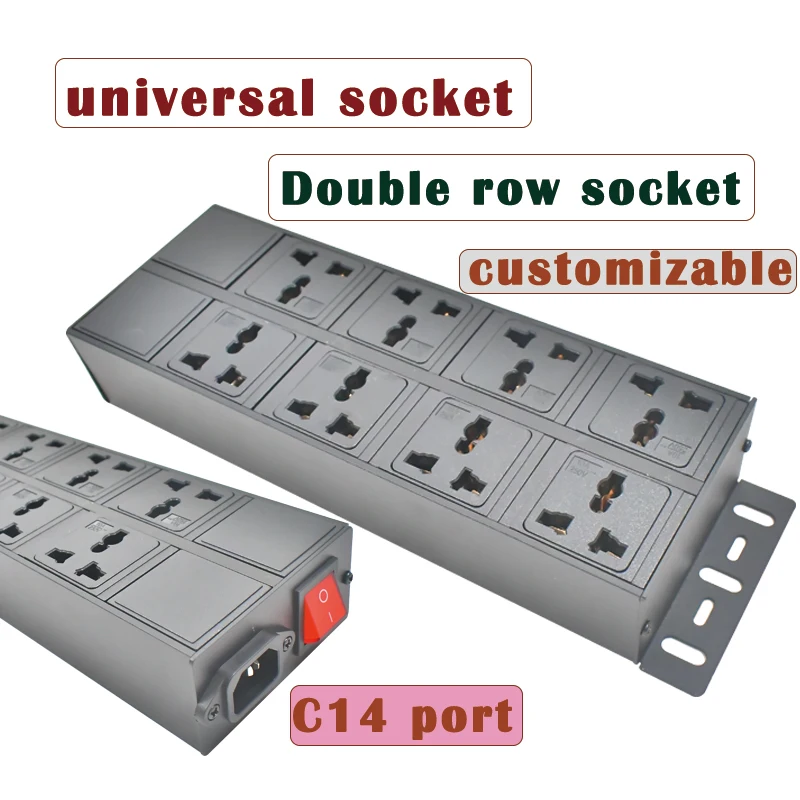
Consider investing in smart power strips and plugs that can automatically cut power to devices when not in use. These devices can eliminate standby power consumption and provide detailed insights into individual appliance energy usage. Many modern smart home systems offer comprehensive energy tracking features that help you understand and control your consumption patterns.
The U.S. Department of Energy recommends exploring integrated automation solutions that can work across multiple systems. For instance, smart tech products for energy saving can help synchronize your lighting, heating, cooling, and electrical systems to operate at maximum efficiency.
Pro Tip: Look for automation solutions with machine learning capabilities that can adapt and optimize your energy usage over time without constant manual intervention.
By implementing these smart automation solutions, you create an intelligent ecosystem that proactively manages energy consumption.
The next phase will involve monitoring and fine-tuning these systems to achieve maximum efficiency and potential cost savings.
Step 4: Optimize Device and System Settings
Optimizing your device and system settings is a critical step in achieving maximum energy efficiency. This process involves fine tuning your existing technologies to minimize unnecessary energy consumption and maximize performance.
Begin by reviewing the default settings on major energy consuming devices. Smart thermostats, computers, refrigerators, and other appliances often ship with factory settings that prioritize convenience over energy conservation. According to tools developed by the U.S. Department of Energy through MEASUR, systematic adjustments can significantly reduce overall energy usage.
For your heating and cooling systems, implement intelligent temperature controls. Set your thermostat slightly higher in summer and lower in winter. Programmable systems can automatically adjust temperatures based on occupancy and time of day. Smart ways to save with tech can help you understand how small setting modifications create meaningful energy savings.
Computer and electronics settings also offer substantial optimization opportunities. Enable power saving modes, reduce screen brightness, and configure devices to enter sleep mode quickly when inactive. Modern operating systems provide comprehensive energy management tools that can dramatically reduce standby power consumption.
Pro Tip: Many devices consume significant energy even when turned off. Use advanced power strips or manually unplug electronics to eliminate phantom energy drain.
By methodically optimizing device settings, you transform your existing technologies into more efficient energy consumers. The insights gained from these adjustments will prepare you for more advanced energy management strategies in the future.
Step 5: Verify Results and Fine-Tune Strategies
After implementing your energy optimization strategies, the crucial next step is verifying the actual results and making precision adjustments. This phase transforms your initial efforts into a dynamic, continuously improving energy management system.
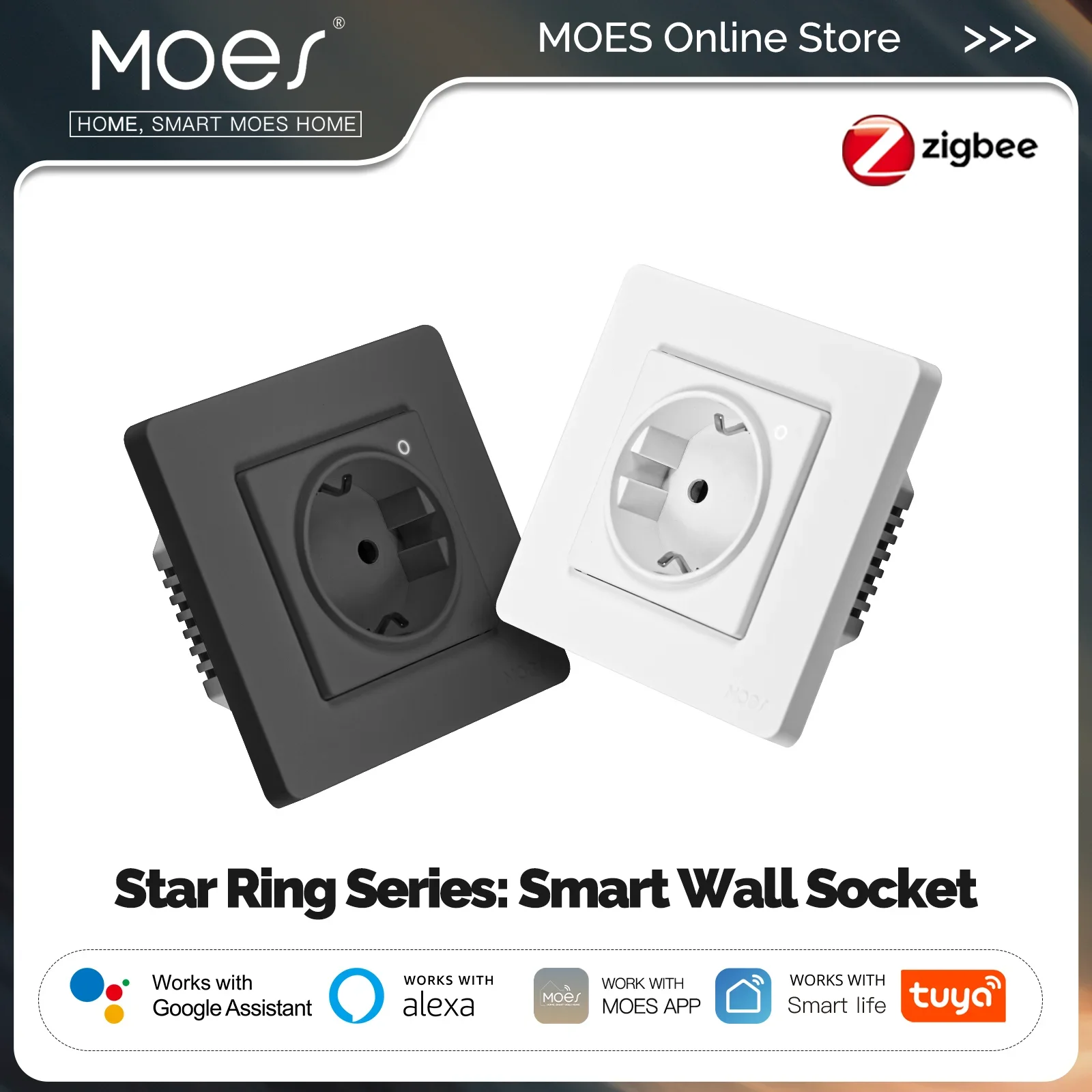
Start by collecting comprehensive energy consumption data from your utility bills and smart monitoring devices. According to the U.S. Department of Energy’s Energy Footprint Tool, systematic tracking allows you to quantify the real impact of your implemented strategies. Compare your current energy usage against the baseline measurements established in your initial assessment.
Analyze the performance of your automation systems and device settings. Look for unexpected patterns or areas where energy savings did not meet projected targets. Essential gadgets for net zero homes can provide additional insights into advanced monitoring technologies that help you track energy performance more precisely.
Develop a quarterly review process to assess your energy optimization strategies. This regular evaluation allows you to identify emerging technologies, adjust your approach based on seasonal variations, and incorporate new energy saving techniques. The Department of Energy recommends continuous data analysis to maintain peak system efficiency.
Pro Tip: Create a spreadsheet to track monthly energy consumption, noting specific changes you implement and their corresponding impact on overall energy usage.
By consistently verifying and refining your strategies, you transform energy optimization from a one time project into an ongoing improvement process. Your commitment to systematic evaluation ensures you remain at the forefront of energy efficiency.
Here’s a summary of the five-step energy optimization process:
| Step | Key Actions | Benefits |
|---|---|---|
| Assess Energy Consumption | Collect bills Inventory devices Use monitors | Identify usage patterns Spot waste areas |
| Identify Drain Points | Analyze inventory Check insulation Target high-use appliances | Focus efforts Find big savings |
| Implement Automation | Install smart thermostats Use smart plugs Enable device tracking | Reduce manual effort Ongoing efficiency |
| Optimize Settings | Adjust temperature Enable power saving Reduce standby loads | Lower daily usage Better performance |
| Verify & Fine-Tune | Monitor results Adjust strategies Review quarterly | Track progress Continuous improvement |
Unlock Maximum Energy Efficiency with Expert Tips and Trusted Tech
Feeling overwhelmed by the challenge of reducing your energy bills while upgrading your home or workspace for smarter energy management Understand the hurdles ahead from pinpointing major energy drains to mastering smart automation and fine-tuning device settings. The article “Energy Savings Optimization How-To for Maximum Efficiency” highlights key pain points like tackling standby power waste and the complexity of syncing systems for continuous improvement. You deserve straightforward solutions that make these goals achievable without frustration.
Explore practical strategies and honest product reviews at HTEXS where we simplify technology for real-world savings. Dive into our How to Guides for step-by-step instructions and visit Tips And Techniques to discover the latest energy-saving gadgets and setups.
Start your journey toward a smarter, more efficient lifestyle right now by visiting HTEXS. Learn how to optimize energy use, choose the right smart tech products, and turn your home or facility into a net-zero champion. The time to act and save is today.
Frequently Asked Questions
How do I assess my current energy consumption for optimization?
Start by collecting 12 months’ worth of utility bills to document your energy usage patterns. Create an inventory of all electrical devices and note their power ratings and estimated daily use to identify where your energy is going.
What are the most common energy drain points I should look for?
Common energy drain points include heating and cooling systems, water heaters, and high-consumption appliances like refrigerators. Focus on tracking the energy usage of these systems to prioritize your optimization efforts.
How can I implement smart automation solutions for energy savings?
Integrate smart devices such as thermostats and smart plugs that automate energy management tasks. These can cut power to unused devices and adjust settings based on occupancy, leading to significant energy reductions over time.
What adjustments should I make to my device and system settings for better efficiency?
Review and adjust factory settings on major energy-consuming devices like thermostats and appliances. By modifying these settings, such as enabling power-saving modes, you could reduce energy consumption by about 10-30%.
How do I verify the results of my energy optimization strategies?
Collect and analyze your energy consumption data every month to assess the impact of your optimization efforts. Track specific changes you’ve made and their effects on overall usage to ensure continuous improvement.
How often should I review my energy savings strategy?
Establish a quarterly review process to evaluate your optimization strategies and adjust based on seasonal variations or emerging technologies. Regular assessments help maintain peak efficiency and target new energy-saving opportunities.
Recommended
- Understanding What is Energy Efficiency in Simple Terms – htexs.com
- 7 Smart Ways to Save with Tech: Practical Tips for Everyone – htexs.com
- 7 Essential Energy-Saving Tech Products for Smart Users – htexs.com
- 7 Essential Examples of Sustainable Tech for Smart Living – htexs.com