
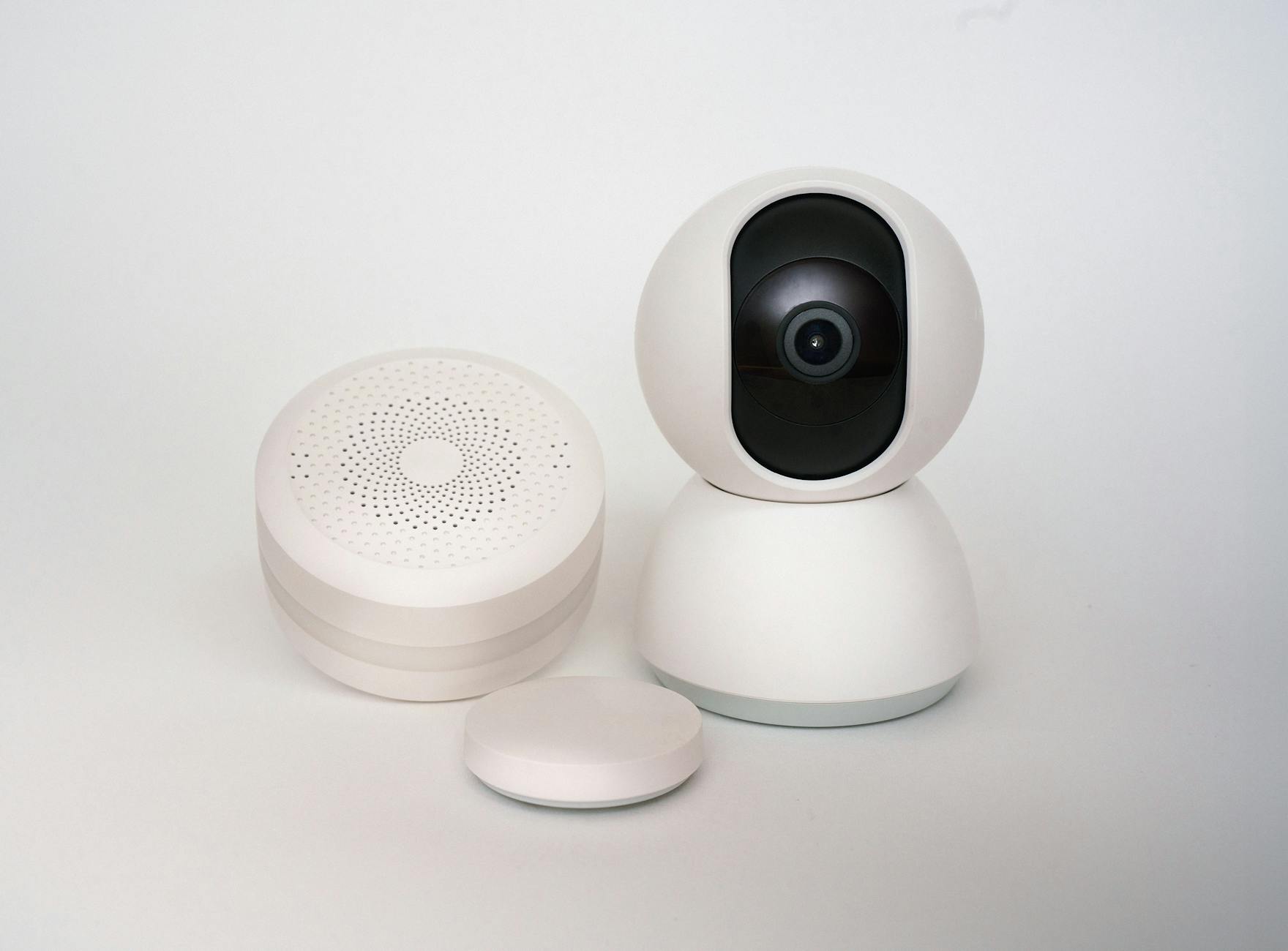
How IoT Devices Collect Voice Data Even When Muted: An Engineer’s Deep Dive
The Internet of Things (IoT) ecosystem has dramatically reshaped our interaction with technology, especially through voice-enabled devices such as smart speakers, connected thermostats, and voice assistants. A paradox lurks within this advanced convenience: numerous IoT devices appear to collect voice data even while ostensibly muted or “silenced.” Unpacking this phenomenon requires a meticulous exploration of device architecture, software pipelines, and the hidden layers of voice data processing that exist beyond a simple mute button.
This extensive discourse unearths the technical mechanics enabling such devices to collect or process audio data while muted,illuminating implications for privacy,design,and future device architectures. Targeting developers, engineers, and technology leaders, we undertake a rigorous inquiry, moving beyond surface-level assumptions to clarify why and how this phenomenon happens and how stakeholders can navigate it knowingly.
the Nuances Behind “Muting” in IoT Voice-enabled Devices
The concept of “muting” in IoT devices diverges significantly from traditional audio muting on computers or phones. It is essential to dissect what “muted” actually means in the context of these smart, always-listening gadgets. Typically, “mute” refers to disabling the device’s speaker (output) or visual indicator but rarely involves fully shutting down the microphone hardware or processing pipeline from capturing sound data at the sensor level.
Microphone Hardware vs.Software-Level Muting
In manny commercial IoT devices, microphone arrays are physically powered on continuously to detect wake words or background context.However, the mute button often corresponds to a software flag that disables playback rather than halting the audio capture hardware itself. This discrepancy explains why acoustic data can still be sampled but not audibly relayed to the user.
True hardware mute would require physically cutting power or disconnecting the microphone element or embedding secure, tamper-evident hardware kill switches, a complex engineering challenge frequently enough bypassed to preserve usability and wake-word responsiveness.
Voice Data Pipeline: Capture, Processing, and Transmission Layers
Voice data traverses multiple layers before it is stored or sent to cloud services. These include the initial analog-to-digital conversion at the microphone sensor, pre-processing filters, wake-word detection algorithms, and transmission modules using robust encryption protocols.While “mute” may halt one or more of these stages (especially output playback),early stages of audio capture may continue unimpeded to maintain voice recognition readiness.
The Role of Wake Word Detection and Continuous Listening
IoT voice devices rely on always-listening passive mode to detect voice commands reliably using wake words such as “Alexa,” “Hey Google,” or “Hey Siri.” This continuous detection state drives much of the voice data collection, and even when muted, it does not necessarily stop local audio processing.
Edge AI Processing Keeps Audio Data Flowing
Many modern IoT devices employ edge AI models embedded locally to process raw audio for wake word detection. This processing is often optimized for ultra-low power usage, continuously analyzing small audio buffers. The design goal is to minimize latency and reliance on cloud connectivity; hence, audio sensors rarely power down, maintaining a flow of sound data into the local AI pipeline.
What Happens to Audio When “Muted”?
In many cases, the device mute disables microphone streaming to cloud servers for further analysis or recording, but local buffering and short-term voice data retention persist. The edge AI routines still “listen” for the wake word, capturing brief audio frames and discarding irrelevant data. While this local capture is usually not transmitted unless triggered, the mere act of continuous beamforming and edge inference implies the microphone remains “on.”
Advanced Microphone Architectures in IoT: Beamforming and Multi-Mic Arrays
High-end IoT voice devices feature multi-microphone arrays capable of spatial filtering via beamforming,improving voice isolation from noisy environments. This hardware layer adds complexity to the mute function’s impact on voice data collection.
Beamforming Maintains Capability Even When Muted
Beamforming requires simultaneous input from multiple microphones, all active and capturing audio. If the mute function only disables audio playback or transmission without powering down the mic array, raw voice data and directional cues continue to flow in real time to the onboard processor. This detail underscores that muting usually affects playback or cloud sharing but not low-level capture.
Microphone array Data: Potential Privacy Risks
The persistent activity of microphone arrays, even under muted status, creates vectors for unintentional data capture and, theoretically, misuse.Subtle ambient noises, partial conversations, or background voices can be recorded and partially stored momentarily, raising privacy alarms beyond typical mute expectations.

Firmware,OS,and Cloud Integration Layers Influencing Voice Data Collection
behind the physical hardware lies a complex software stack managing audio capture,processing,and network transmission.the firmware and operating system can selectively control microphone hardware state, but practical implementations frequently enough prioritize responsiveness over absolute privacy, introducing nuanced behaviors.
Audio Drivers and Microphone Control APIs
Audio drivers within the IoT device OS provide granular controls to mute or power down microphones. On many platforms, mute commands modify logical states that suppress audio output or stop forwarding audio buffers upstream without physically interrupting microphone power. developers have exposed APIs enabling or disabling audio data forwarding depending on mute status, but hardware-level isolation is less common.
Cloud Connectivity and User Preferences: When Is Voice Data Sent?
Even when muted locally, some IoT devices transmit diagnostic or partial audio clips to cloud services for machine learning refinement or error reporting if enabled under user agreements. Understanding this requires examining device-specific cloud integration policies and privacy settings accessible via companion apps.
security Vulnerabilities and Exploits Leveraging “muted” IoT Microphones
Researchers have demonstrated that attackers can exploit firmware-level flaws to bypass mute functions, making “muted” microphones covertly record audio data. These threat vectors expose serious security and privacy concerns for users who assume muting equates to silence.
Firmware-Level Bypassing Techniques
Exploits manipulating device drivers or audio processing units can re-enable microphone audio streaming despite user mute commands. Some rootkits and malware variants specifically target IoT voice assistants, using privilege escalation to capture audio covertly.
mitigation Strategies for IoT Developers
- Enforce hardware-level microphone kill-switch designs wherever possible.
- Implement secure, encrypted inter-process communication to prevent unauthorized audio stream manipulation.
- Regularly update firmware to patch known vulnerabilities and validate mute functionalities during QA testing.
Regulatory and Privacy Frameworks Shaping Voice Data Collection Practices
The rise of IoT voice devices operating ambiguously under “mute” scrutiny has prompted scrutiny from regulators, privacy advocates, and consumer watchdog groups worldwide. Understanding legal frameworks is crucial for engineers and product architects designing ethical voice solutions.
GDPR and Data Subject Consent on Audio Capture
Under the European Union’s GDPR, continuous audio recording without explicit consent constitutes unlawful processing of personal data.devices that retain audio traces during mute periods require transparent privacy disclosures and opt-in mechanisms.
California Consumer Privacy Act (CCPA) and Voice Data
The CCPA strengthens user rights on data collection, enabling deletion requests and access controls over voice logs, even in muted device states. Manufacturers must provide interfaces to honor these privacy rights.
Industry standards like NIST SP 800-53 offer cybersecurity frameworks encouraging privacy-by-design in IoT voice devices, emphasizing hardware kill-switches and secure firmware management.
Design Approaches for Truly “Private” Muting in Next-Gen IoT Devices
To regain user trust, IoT designers must reimagine mute functions beyond software toggles into comprehensive hardware-software solutions that guarantee voice data cessation. This involves redesigning circuits, firmware, and UI paradigms to ensure muting means complete silence and no data retention.
Implementing Hardware Kill Switches with Visible Indicators
Mechanical switches physically cut microphone power, complemented by clear visual LED indicators signaling mute status. User testing shows this approach significantly improves user confidence and device clarity.
End-to-End Encrypted Local Processing with Ephemeral Data Retention
Architecting devices to process voice commands strictly in-memory with no persistent storage under mute conditions minimizes risks of unwanted voice data capture, enabling ephemeral, zero-trace voice interaction when muted.
Practical Growth Checklist: Ensuring Voice Data Compliance When Muted
Step 1: define Hardware Control Scope
Categorize microphone power domains and ensure physical mute mechanisms separate from software flags. Document signal paths controlling the AD converters to the digital signal processor (DSP) for precise power gating.
Step 2: Audit Firmware Interaction with Audio Hardware
Conduct detailed reviews of device audio drivers and HALs to confirm mute states affect input data streams, employing fuzz testing to detect potential data leakage.
Step 3: Verify Cloud Data Transmission Policies
Review backend telemetry and voice data collection rules embedded in device cloud platform apis to ensure muted devices halt audio data upload unequivocally.
Step 4: UI & UX Transparency
Provide users with explicit feedback (both visual and auditory) when mute is engaged, and easy access to manage voice data sharing settings, reinforcing trust through clear communication.
Step 5: Continuous security testing
Integrate penetration testing focused on audio components as part of routine security evaluations, keeping abreast of new threat vectors revealed by security researchers.
Emerging Trends: AI-Driven Privacy and Edge-Only Voice Processing
The future paves the way for IoT devices with fully edge-contained voice AI operating exclusively locally without cloud dependencies.Advances in lightweight ML models open promising avenues were user voice data remains encrypted and transient, fundamentally changing how ”muted” behavior is constructed.
Techniques like federated learning and decentralized AI also promise to enhance privacy compliance, enabling devices to continuously improve while never transmitting raw voice data when muted.
Key Performance Indicators and Metrics for Voice Data Muting Effectiveness
Measuring mute effectiveness transcends user interface toggling. Engineers must quantify latency in mute engagement, residual data capture rates, and false wake-word rejection rates under muted conditions.
Final Considerations for Innovators and Investors in Voice-Enabled IoT Markets
As voice AI becomes embedded ubiquitously within homes and industries, the onus lies on designers, developers, and investors to prioritize transparent and verifiable voice data handling. Muted devices that still capture voice data can erode consumer confidence and invite regulatory penalties.
Prioritizing hardware kill switches, on-device AI, and privacy-compliant cloud integrations will distinguish market leaders.Forward-thinking firms investing in trustworthy mute implementations signal commitment to ethical innovation in a hyper-connected world.