
Making Your Rental Apartment Smarter Without Breaking the Lease
Understanding Smart Home Technology
Smart home technology is evolving rapidly, aiming to enhance our living environments through convenience, efficiency, and automation. For renters, the challenge is finding ways to integrate these technologies into temporary living spaces without upsetting landlords or violating lease agreements.With a carefully chosen blend of devices,DIY solutions,and energy-efficient practices,enhancing your apartment’s intelligence is not only feasible but also immensely rewarding.
What Constitutes a Smart Home?
A smart home typically involves devices that communicate with one another and can be controlled remotely. From lighting and thermostats to security systems and appliances, these tools boost comfort and efficiency. They often utilize centralized hubs or voice assistants like Amazon Alexa or Google Assistant to simplify controlling an array of functions. The convergence of IoT devices reshapes traditional living into a user-centered smart ecosystem.
Why Renters Should Consider Smart Solutions
Investing in smart technology can lead to long-term savings through energy efficiency and reduced utility bills. Moreover, creating a smart home habitat enhances comfort and security. Renters can leverage technology not only to ease their daily routines but also to personalize spaces while complying with lease restrictions.
Choosing the Right Smart Devices
Selecting the appropriate devices is pivotal when looking to upgrade your rental apartment. The key is to focus on non-invasive smart gadgets that require minimal installation or modification. Here’s a look at essential categories and products ideal for renters.
Smart Lighting solutions
Smart lighting is an excellent starting point for renters. Smart bulbs, such as Philips Hue or LIFX, can be installed without any permanent fixtures. These bulbs allow for adjustable brightness and color settings, which can be controlled via mobile apps or voice commands. They not only save energy but also enhance mood and ambiance in your home.
Smart Thermostats
Devices like the Nest Thermostat enable users to control their heating and cooling remotely. Installation is usually hassle-free with rental properties, as most devices require no modification to existing systems. These smart thermostats not only contribute to energy savings but can also extend the life of HVAC systems by reducing wear.
smart Security Solutions
Implementing smart security features, such as the Ring Video Doorbell or smart locks like August, enhances safety without the need for significant alterations. These technologies offer remote monitoring and can often be installed in place of existing doorbells and locks, meaning minimal disruption to property infrastructure.
DIY Smart Home Upgrades
Many renters may shy away from smart technology due to the perceived complexity of installation or the fear of damaging property. Luckily, there are several DIY smart home upgrades that can be implemented with minimal effort.
Smart Plugs for Existing Devices
Smart plugs allow you to turn any standard appliance into a smart device. Simply plug a device into the smart plug, which then connects to your Wi-Fi network. This enables remote control via apps or voice commands,perfect for managing energy use and appliance scheduling.
Home Automation with IFTTT
If This Then that (IFTTT) is a powerful tool that allows renters to automate workflows between different devices. For instance, you can set your smart thermostat to adjust the temperature before you arrive home, or smart lights to turn on at sunset.
Using Smart Sensors
Smart sensors, including motion and temperature sensors, can enhance your living environment. These sensors can trigger automatic adjustments in lighting or climate and provide security alerts without invasive installations. They offer versatile use cases that any renter can appreciate.
Integrating Voice Assistants
Voice assistants like Amazon Alexa, Google Assistant, or Apple’s Siri serve as the nexus of smart home automation. They facilitate an intuitive approach to managing various smart devices, allowing voice control for functions ranging from lighting to temperature settings.
Choosing a Voice Assistant
Consider which assistant best integrates with your existing smart home ecosystem. Each platform has unique compatibility specifications, so aligning your smart devices with the chosen assistant will streamline your experience.
Routines and Shortcuts
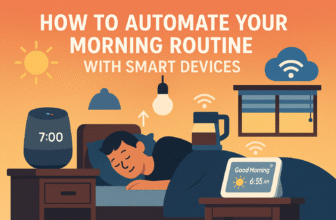
Automating tasks through routines fosters an smart environment tailored to your daily schedule. For example, a morning routine could turn on your coffee maker, adjust the thermostat, and illuminate the kitchen as you start your day.
understanding Lease Agreements
Enhancing your living space with smart technology isn’t merely about selecting devices. It also requires a thorough understanding of your lease agreement. Most leases stipulate what modifications can be made,so it’s crucial to ensure you’re compliant to avoid penalties.
Communicating with Your Landlord
If you’re unsure about what you can or cannot modify, communicating with your landlord can clarify the boundaries. Landlords may even be more open to smart technology upgrades that enhance the property’s value, recognizing the return on investment.
Renovation-Friendly Solutions
Focus on solutions that can be removed without damaging the property. For instance, adhesive hooks or wireless setups ensure that you can easily uninstall smart devices when moving out, leading to less stress with property management during check-out inspections.
Maintaining Privacy and Security
As valuable as the conveniences of a smart home may be, privacy and security must remain priorities. Smart devices frequently enough collect data, and being mindful of your digital footprint is crucial in a rental environment.
Securing Your Network
Ensure that your home Wi-Fi network is appropriately secured,employing strong passwords and regularly updating firmware for all your smart devices. Consider creating a separate network for guests or iot devices to mitigate security risks.
Understanding Data Privacy
Be aware of privacy settings for each smart device and app you utilize. Familiarize yourself with data collection practices and manage consent settings thoughtfully. Knowledge regarding data management can empower you to make informed decisions about your smart ecosystem.
Staying Within Budget
Investing in smart home technology shouldn’t come at the cost of your financial security. It’s essential to budget wisely, focusing on devices that provide the best long-term value.
Prioritizing Needs
Identify which areas of your daily life would benefit the most from smart technology. A home energy monitor may not seem as crucial as smart security measures, so prioritize according to your lifestyle and needs.
Making Use of Promotions and Discounts
Countless retailers offer deals on smart home devices, particularly during holiday sales. Signing up for retailers’ newsletters can keep you informed about sales and potential discounts, helping you maximize your budget.
Long-Term Considerations
Integrating smart technologies into a rental apartment isn’t merely a transient endeavor; it’s a valuable investment in your lifestyle. As technology evolves, ensuring that your selections are future-proof can save time, effort, and money down the line.
Scalability of the Ecosystem
Opt for interoperable devices that can easily connect to existing and future technologies. The ecosystem grows rapidly, driving global innovation across industries – the future looks exciting!
Making Informed Upgrade Decisions
As smart home technology continues to advance, remaining attentive to new developments allows you to keep your living space contemporary. Ongoing research in technology can open avenues for further efficiency and convenience enhancements in your rental experience.

Real World Applications of Smart Technology in Rentals
now that we’ve explored the essential solutions and considerations for renters, it’s time to look at practical applications in the real world. Many renters successfully integrate smart technologies. Here are a few case studies that demonstrate best practices for various apartment types and layouts.
case Study: A Studio Apartment Conversion
One example includes a young professional living in a small studio who utilized smart plugs, smart lighting, and a compact smart speaker.Their approach provided notable efficiency and comfort, demonstrating how minimal changes can enhance a limited space without annoying landlords.
Case Study: Multi-room Rental enhancement
Another case involves a family residing in a larger rental property. They opted for smart thermostats and security cameras, resulting in better energy management and enhanced home safety. Their experience illustrates how different families can tailor systems specifically to their needs.
Looking Towards the Future of Rental Smart Homes
The future of smart technology in rental apartments appears bright, driven by constant innovation and user-friendly solutions. As devices become more affordable and easy to install, they represent a significant opportunity for renters to redefine their living experiences. Joining the smart home revolution is not only about convenience; it’s about forging a new path to a sustainable, efficient, and personalized living environment for all.