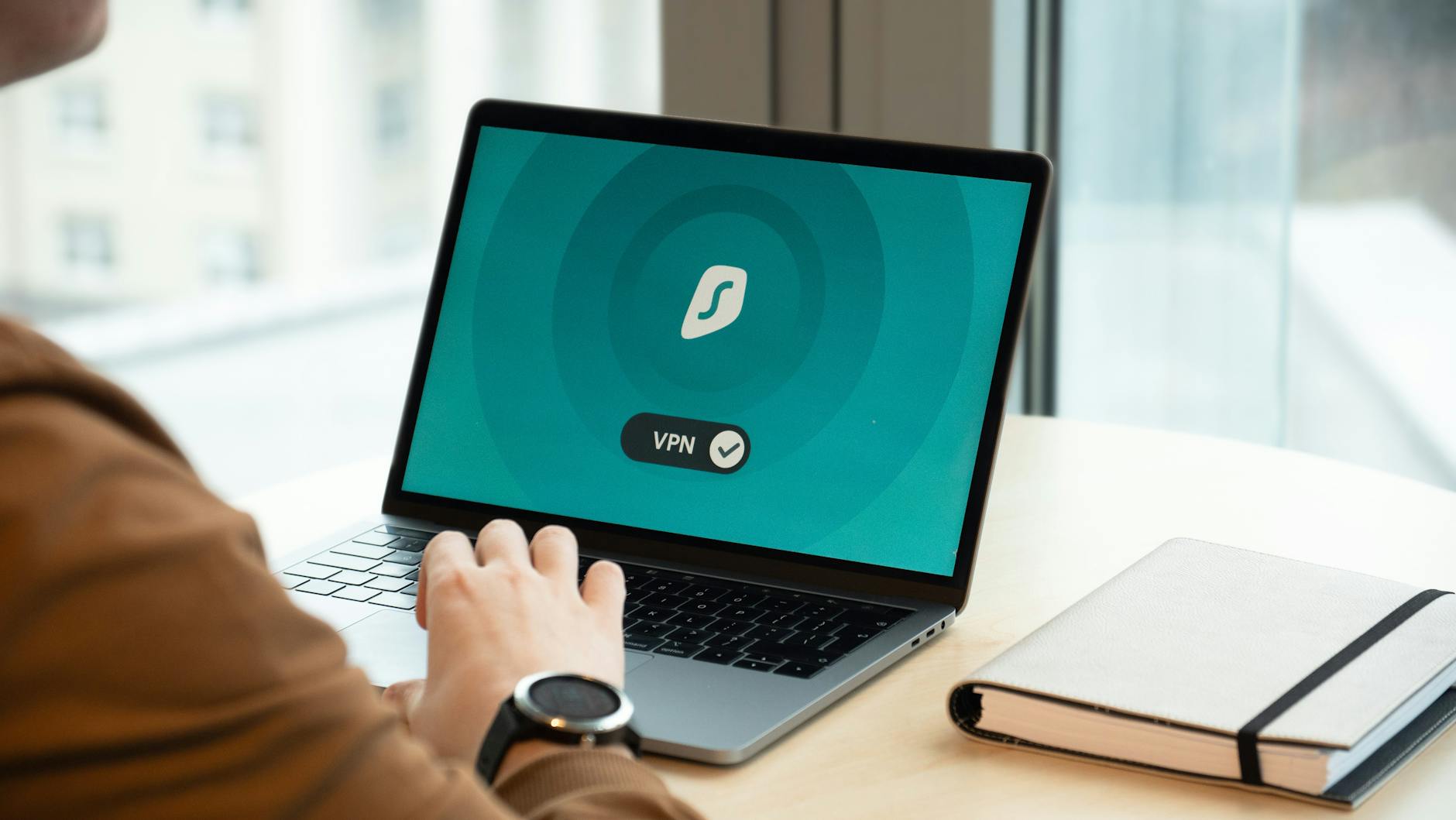
As remote learning frameworks adn digital classrooms redefine the educational landscape worldwide, ensuring cyber safety for students is paramount. VPNs in education have emerged as critical tools for safeguarding online students against an evolving spectrum of digital threats. This deep-dive analysis explores how Virtual Private Networks (VPNs) enhance security, privacy, and access controls in educational environments, empowering stakeholders to foster safe and equitable online learning experiences.
Why VPNs Have Become Essential for Online Education Security
Risks Faced by Online Students Without VPN Protection
Online students are exposed to numerous cyber risks including data interception on unsecured Wi-Fi networks, targeted phishing campaigns, and geo-restrictions blocking crucial educational resources. The absence of robust privacy controls can led to unauthorized data access, identity theft, and breaches of student confidentiality.
Role of VPNs in Mitigating Digital Threats
VPNs encrypt traffic between a student’s device and the VPN server, effectively shielding data packets from prying eyes. This encryption, combined with IP masking, significantly reduces risks associated with eavesdropping, man-in-the-middle attacks, and surveillance. Moreover,VPNs help bypass network censorship that could restrict academic content.
The Technical Architecture of VPN Deployments in Educational Settings
VPN Types commonly Used in Education
Institutions deploy various VPN solutions: corporate-grade site-to-site VPNs connecting campuses, remote access VPNs for individual students, and cloud-based VPNs integrated with Learning Management Systems (LMS). Each model serves different connectivity and security demands.
Integrating VPNs with Educational Infrastructure
VPN services are frequently enough integrated with identity providers (IdP) and single sign-on (SSO) systems like Microsoft Azure AD or Google Workspace, enabling seamless authentication and authorization. Network policies define access rights per role, ensuring students access only authorized materials.

How VPNs Enhance Student Privacy in Online Learning
Anonymization and Data Protection
By masking actual IP addresses and encrypting traffic, VPNs create a strong anonymity layer for students, safeguarding their personal details against profiling by malicious sites or intrusive advertisers.encrypted traffic also helps prevent ISP-level tracking or data throttling during peak usage.
Compliance with Data Privacy Regulations
Schools and edtech platforms must comply with privacy laws such as FERPA in the U.S., GDPR in Europe, and other regional directives. VPNs help meet these mandates by securing data transit and controlling external exposure.
Challenges and Limitations of VPN Use in Educational Domains
Performance Bottlenecks and latency
Encrypting and routing traffic through VPN servers often introduces latency and can degrade upload/download speeds. Students in regions with limited server presence may experience reduced connection quality, impacting real-time learning tools like video conferencing.
Accessibility and Usability Issues
configuring VPNs can be technically complex, leading to accessibility barriers for less tech-savvy students or younger users. poorly designed VPN interfaces and inconsistent connectivity can discourage sustained adoption.
Potential for Misuse
Even though designed for protection, VPNs can sometimes be misused to bypass critically important content filters, compromising organizational cybersecurity policies and exposing students to harmful or unregulated content.
VPN Protocols Best Suited for Educational Environments
IPSec vs. OpenVPN vs. WireGuard
choosing the right VPN protocol is critical. IPSec offers strong security but can be challenging to configure. OpenVPN remains popular for its compatibility and security track record, though it incurs higher CPU overhead. WireGuard is an emerging favorite offering faster speeds with modern cryptography,redefining performance benchmarks in VPN efficiency and usability.
Balancing Security and Performance
Education-focused VPN implementations often prioritize low latency and stable connectivity for synchronous sessions, carefully configuring cryptographic suites and tunnel encapsulations to strike an optimal balance.
Implementing VPNs for Remote and Hybrid Classroom Models
VPN Client Deployment Strategies
Deploying VPN clients on student devices can happen via pre-installed applications, automated scripts, or integrated agent software within LMS platforms. Schools frequently employ device management solutions (MDM/EMM) to push these clients and policy settings remotely.
Network Access Control and Segmentation
VPNs enable segmentation of network resources, ensuring remote students connect to isolated educational resources without exposing administrative or sensitive backend systems, boosting security posture against lateral movement threats.
Vendor Solutions and Open Source VPN Platforms for Education
Commercial VPN Providers Specialized in Education
Vendors like Cisco AnyConnect, Palo Alto GlobalProtect, and NordLayer offer scalable VPN solutions with tailored support for educational institutions, including features for compliance, remote management, and multi-factor authentication (MFA).
Open Source Alternatives and community Projects
OpenVPN and WireGuard remain community-favorites for their transparency and configurability. Educational IT departments often leverage these for cost-effective,customizable VPN deployments,frequently integrating with open authentication protocols like SAML or LDAP.
Policy Recommendations for Schools and EdTech Providers Using vpns
defining Acceptable Use and Security Policies
Clear policies establish expected behaviors and guidelines for VPN usage, including prohibiting circumvention of content filters and enforcing strict password and MFA requirements. Periodic policy reviews are essential to adapt to evolving threats.
Training and Awareness Programs
Students and staff must be educated on why and how to use VPNs securely. Awareness campaigns reduce risks like credential compromise due to phishing or improper VPN configurations.
Checklist for Effective VPN Adoption in Education
- Assess network requirements and student device diversity.
- Select protocols with optimal security and performance balance.
- Integrate VPN with institutional authentication systems (SSO/MFA).
- Deploy clients remotely with automated updates.
- Monitor VPN usage and perform security audits regularly.
- Educate students on VPN benefits and risks.
The Impact of VPNs on Educational Equity and Access
Enabling Secure Access across Geographies
Students in regions with censorship or blocked online content gain equitable access to global learning materials when VPNs bypass geo-restrictions securely. VPNs reduce disparities caused by ISP throttling or surveillance.
Addressing Digital Divide Concerns
However, VPN use must be coupled with reliable connectivity infrastructure and affordable devices to avoid new layers of access complexity for underserved populations.
Future Trends: Evolving VPN Technologies for Education
Integration with zero trust Architectures
VPN offerings increasingly merge into zero trust network access (ZTNA) frameworks, enforcing granular identity-aware policies instead of broad network tunnels. This shift promises safer, more flexible remote access models for education.
AI-Powered Threat Detection and Adaptive VPNs
Emerging VPN solutions incorporate AI to detect anomalous patterns in encrypted traffic, enabling dynamic threat responses without degrading student experience — a vital innovation as cyberattacks grow more sophisticated.
How Educational Institutions Measure VPN Effectiveness
Key Performance Indicators (KPIs)
Critical metrics include connection latency, uptime reliability, throughput, session stability, and incident response times. Tools like Gartner VPN Monitoring offer benchmarks and analytic frameworks.
User Satisfaction and Support Metrics
tracking student and staff feedback regarding VPN usability, along with support ticket volume related to connectivity issues, informs ongoing improvements in deployment and client software design.
Practical Applications: Case Studies of VPN Deployment in Education
University-Level VPN Initiatives to Secure Remote Learning
Schools such as the University of California system and University of Cambridge have deployed enterprise VPNs tightly integrated with multi-factor authentication and endpoint compliance checks, enabling millions of students to access resources securely from home.
K-12 School Districts Leveraging VPNs for Hybrid Models
Several U.S. K-12 districts opted for cloud-managed VPN services like Cisco Meraki and Palo Alto to protect student devices on varied home networks, ensuring compliance with federal student data privacy laws while managing budget constraints.
“VPN adoption in education is redefining performance benchmarks in secure, equitable online learning — ensuring privacy and access no matter where students connect.”
Developer and Engineer Perspectives on VPN Integration for EdTech Solutions
API Integration with Learning Platforms
Modern VPN vendors offer RESTful APIs and SDKs that allow developers to embed VPN controls and status monitoring directly within LMS dashboards or custom educational apps, streamlining user experiences and reducing friction.
Custom Configuration and scalability Considerations
Scalable VPN architectures leverage containerized microservices and orchestration with Kubernetes clusters to dynamically allocate bandwidth and instances in response to fluctuating student demand patterns.
Investor and Market Outlook: Opportunities in Education VPN Technologies
Market Growth Drivers and Segmentation
The global VPN market for education is projected to expand rapidly, driven by increased edtech adoption, tighter privacy regulations, and growing cyberthreats targeting educational institutions. Segments include K-12, higher education, vocational training, and online course platforms.
Innovative Startups and Emerging Technologies
Emerging startups are combining VPN technologies with AI-driven adaptive security, blockchain-based identity management, and edge networking to provide next-gen solutions uniquely adapted to education’s needs.
Final Considerations: Crafting the Future of Student Cybersecurity through VPNs
as digital education models become indispensable globally,VPN technologies stand out as foundational elements in preserving student privacy and securing academic resources. For developers, engineers, and decision-makers alike, understanding VPN ecosystems in education is more than a technical necessity; it is indeed a duty to foster trusted digital learning environments.The future will demand innovative VPN solutions that are as flexible as they are secure,adaptable to new instructional models,and respectful of the diverse privacy needs of online learners worldwide.