


{
“@type”: “Article”,
“author”: {
“url”: “https://htexs.com”,
“name”: “Htexs”,
“@type”: “Organization”
},
“@context”: “https://schema.org”,
“headline”: “Complete Guide to Solar Savings 2025”,
“publisher”: {
“url”: “https://htexs.com”,
“name”: “Htexs”,
“@type”: “Organization”
},
“inLanguage”: “en”,
“articleBody”: “Maximize solar savings in 2025 with this comprehensive guide covering costs, incentives, payback periods, and top technologies for homeowners and businesses.”,
“description”: “Maximize solar savings in 2025 with this comprehensive guide covering costs, incentives, payback periods, and top technologies for homeowners and businesses.”,
“datePublished”: “2025-10-20T07:00:58.174Z”
}
Solar energy adoption is reaching incredible heights, with 380 gigawatts of new solar capacity added worldwide in just the first half of 2025. This surge signals more than a global commitment to clean power—it opens new doors for households and businesses seeking real savings. As solar technology evolves rapidly, understanding your options in 2025 means more opportunities to cut your electricity bills and benefit from advanced incentives before they expire.
Key Takeaways
| Point | Details |
|---|---|
| Rapid Solar Expansion | Global solar capacity has surged to nearly 7% of electricity generation, with a 64% increase in new installations in the first half of 2025. |
| Cost and Efficiency Improvements | Technological advancements have lowered installation costs and improved energy conversion rates, making solar investments more compelling. |
| Financial Incentives and Payback | Homeowners can expect payback periods of 7-10 years with incentives, and utility-scale projects may recoup costs in as little as 1-2 years. |
| Smart Investment Strategies | Focus on appropriate system sizing and qualified installers to maximize ROI and avoid unnecessary expenditures. |
Table of Contents
- Solar Savings In 2025 Explained
- Key Solar Technologies And Innovations
- Understanding Costs And Payback Periods
- Incentives, Tax Credits, And Rebates
- Common Mistakes And Maximizing Roi
Solar Savings in 2025 Explained
The solar energy landscape is experiencing an unprecedented transformation in 2025, with global capacity expanding at a remarkable rate. According to Reuters, solar technology has doubled in capacity over the past three years, now accounting for nearly 7% of global electricity generation—a milestone that signals significant economic and environmental potential for consumers and businesses alike.
The acceleration of solar deployment is nothing short of extraordinary. Times of India reports that in just the first half of 2025, the world added a record 380 GW of new solar capacity—representing a staggering 64% increase compared to the same period in 2024. This surge indicates several critical developments for potential solar adopters:
- Decreasing Installation Costs: Technological advancements are driving down solar panel and installation expenses
- Improved Energy Efficiency: Modern solar panels convert more sunlight into usable electricity than ever before

- Attractive Financial Incentives: Government and private sector rebates make solar investments more accessible
For consumers considering solar savings in 2025, the message is clear: the time to transition is now. With renewable energy surpassing coal for electricity generation and solar technology becoming increasingly sophisticated, individuals and businesses can expect not just environmental benefits, but significant long-term financial advantages. Read more about understanding solar savings strategies to maximize your potential returns and contribute to a sustainable energy future.
Key Solar Technologies and Innovations
The solar technology landscape is undergoing a remarkable transformation in 2025, driven by breakthrough innovations that are reshaping how we generate and utilize renewable energy. Thin-film photovoltaic technologies are emerging as a game-changing development, pushing the boundaries of efficiency and affordability in solar power generation.
According to cutting-edge research from arXiv, these advanced technologies—including perovskites, quantum dots, and tandem cells—are achieving unprecedented performance levels. Notably, perovskite solar cells have reached impressive efficiency rates of around 26.7%, simultaneously reducing material consumption and production costs. This represents a significant leap forward in solar technology.
Key innovations in solar technology for 2025 include:
- Perovskite Solar Cells: Ultra-efficient materials that can be manufactured more cheaply than traditional silicon panels
- Quantum Dot Technologies: Advanced semiconductor nanocrystals that enhance light absorption and energy conversion
- Tandem Cell Designs: Multi-layered solar cells that capture broader light spectrums, dramatically increasing overall energy production
Explore the latest solar panel technologies to understand how these innovations are not just incremental improvements, but fundamental reimaginings of solar energy capture and conversion. The future of solar is here, promising more sustainable, efficient, and accessible renewable energy solutions for consumers and industries worldwide.
Here’s a comparison of leading solar technologies and their benefits in 2025:
| Technology | Efficiency Rate | Key Benefit | Affordability |
|---|---|---|---|
| Perovskite Cells | ~26.7% | High efficiency Low-cost | Very High |
| Quantum Dots | 20-25% (est.) | Enhanced absorption | Moderate-High |
| Tandem Cells | 28-32% (lab) | Captures broad spectrum | High (future) |
| Traditional Silicon | 15-22% | Proven reliability | Moderate |
Understanding Costs and Payback Periods
Investing in solar technology requires a comprehensive understanding of the financial landscape in 2025, where initial costs and long-term savings play crucial roles in decision-making. According to recent market analysis, residential solar-plus-battery systems now range between $15,000 and $25,000 before government incentives—a price point that might seem substantial but offers significant long-term financial benefits.
X Grok Research reveals fascinating insights into solar payback periods. For residential installations, homeowners can expect payback timeframes of 7-10 years with current incentives, extending to 10-15 years without financial support. Interestingly, utility-scale solar projects demonstrate even more attractive economics, with payback periods potentially shrinking to just 1-2 years in high-price energy markets.
A compelling case study from arXiv illustrates the real-world potential of solar investments. A 2.72 kWp rooftop photovoltaic system in the Philippines demonstrated a remarkable 6-year payback period and an extraordinary 238% return on investment. This example underscores how local energy prices and system performance dramatically influence financial outcomes.
Key financial considerations for solar investments include:

- Initial Installation Costs: $15,000-$25,000 for residential systems
- Payback Period: 7-10 years with incentives, 10-15 years without
- Potential Returns: Up to 238% return on investment in optimal conditions
- Utility-Scale Potential: As little as 1-2 year payback in high-price markets
Explore tax credits and incentives to maximize your solar investment and understand how strategic planning can accelerate your path to energy independence and financial savings.
Incentives, Tax Credits, and Rebates
Navigating the landscape of solar incentives in 2025 requires a strategic understanding of various financial support mechanisms designed to make renewable energy more accessible and affordable. The solar investment ecosystem has become increasingly complex, offering multiple pathways for individuals and businesses to reduce their upfront costs and accelerate their transition to clean energy.
According to Solar.com, the U.S. residential solar market is experiencing a critical window of opportunity. The federal solar tax credit (Section 25D) is scheduled to expire on December 31, 2025, with systems installed before this date remaining fully eligible. Importantly, third-party ownership arrangements can still leverage the 48E credit beyond this expiration date, providing continued financial flexibility for solar adopters.
Globally, solar incentives vary dramatically across different countries. SunRation Research highlights fascinating international approaches to solar support:
- Switzerland: One-time payments up to 30% of investment
- Spain: Reduced VAT and regional grants reaching 50–85%
- Portugal: Comprehensive grants and VAT reductions
- Brazil: Net-metering programs and significant tax exemptions
Explore the comprehensive guide to rooftop solar tax credits to unlock the full potential of these financial incentives. By understanding these programs, you can strategically time your solar investment, maximize your returns, and contribute to a more sustainable energy future while minimizing your out-of-pocket expenses.
Common Mistakes and Maximizing ROI
Maximizing the return on investment (ROI) for solar installations requires a strategic approach that goes beyond simply purchasing panels. Solar investment is a nuanced process where every decision can significantly impact your long-term financial and energy performance. Smart consumers understand that success lies in careful planning and avoiding common pitfalls that can erode potential savings.
According to research from Nature’s Generator, one of the most critical mistakes solar adopters make is overspending on unnecessary features. Many consumers are tempted by ultra-high-efficiency panels or oversized battery systems that far exceed their actual energy requirements, inadvertently inflating initial costs without proportional returns.
Key strategies for maximizing solar ROI include:
- Right-Size Your System: Match panel capacity precisely to your energy consumption
- Choose Qualified Installers: Prevent inefficiencies from poor wiring or design
- Consider Site-Specific Factors: Evaluate shading, roof orientation, and local climate
- Understand Performance Warranties: Prioritize long-term reliability over short-term savings
Learn about tax benefits for solar investments to further optimize your financial strategy. By combining technical expertise with strategic financial planning, you can transform solar from a simple energy solution into a robust long-term investment that delivers consistent returns and contributes to sustainable living.
Take Control of Your Solar Savings with HTEXS
If you’re feeling overwhelmed by the fast-changing solar technology landscape and the challenge of maximizing your investment, you’re not alone. Many readers want to secure the best payback period, avoid costly mistakes, and take full advantage of new incentives highlighted in our Tips And Techniques section. We understand how critical it is to make smart choices when considering solar panels or upgrades for your home or business.

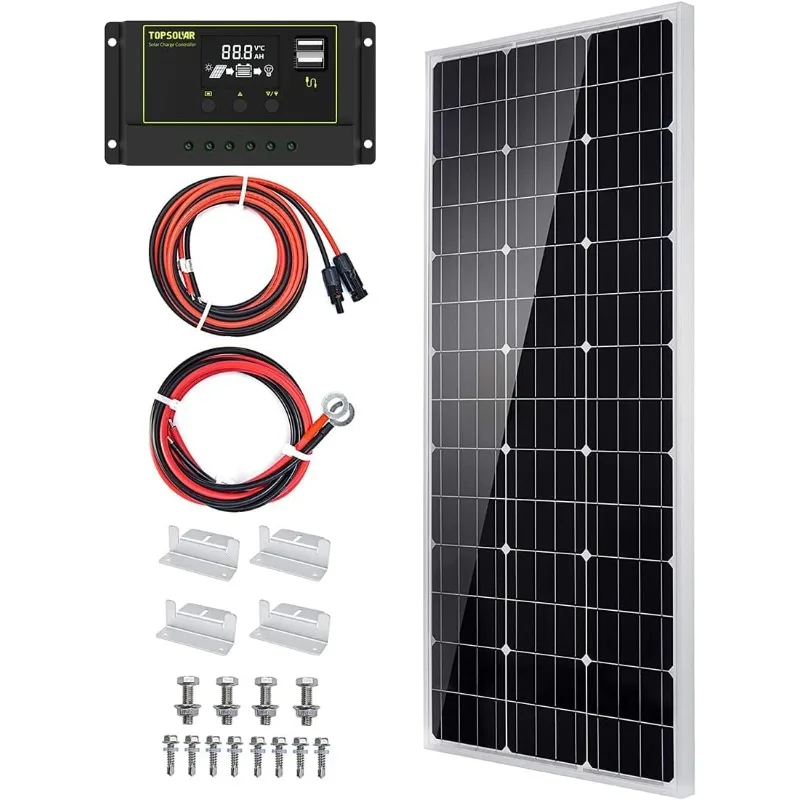
Why wait to benefit from real solar savings? Visit HTEXS today for trusted advice and in-depth product reviews that break down the latest in solar innovations, efficiency tips, and incentive guides. Make your next step easier and get the information you need to turn high-tech solutions into real financial results. Take charge now and start experiencing smarter energy savings for 2025 and beyond.
Frequently Asked Questions
What are the key benefits of switching to solar energy in 2025?
Switching to solar energy in 2025 offers several benefits, including decreasing installation costs, improved energy efficiency from advanced technologies, and attractive financial incentives through government and private sector rebates, making it more accessible for consumers and businesses.
How long can I expect the payback period for a residential solar installation to be?
For residential solar installations in 2025, the average payback period is between 7 to 10 years with available incentives, and may extend to 10 to 15 years without financial support. This can vary based on local energy prices and system performance.

What innovations in solar technology are emerging in 2025?
Key innovations in solar technology for 2025 include perovskite solar cells with high efficiency rates, quantum dot technologies for enhanced light absorption, and tandem cell designs that capture a broader spectrum of light, all leading to higher overall energy production.
How can I maximize my return on investment (ROI) for solar installations?
To maximize your ROI for solar installations, it’s crucial to right-size your system based on your energy consumption, choose qualified installers to avoid inefficiencies, consider site-specific factors like shading and roof orientation, and understand performance warranties for long-term reliability.
Recommended
- Understanding the Guide to Solar Savings for Everyone – htexs.com
- Tax Credits – htexs.com
- Solar Savings – htexs.com
- How to Save Solar Energy Efficiently in 2025 – htexs.com