

{
“@type”: “Article”,
“author”: {
“url”: “https://htexs.com”,
“name”: “Htexs”,
“@type”: “Organization”
},
“@context”: “https://schema.org”,
“headline”: “What Is Solar Tech? Complete Overview & Applications”,
“publisher”: {
“url”: “https://htexs.com”,
“name”: “Htexs”,
“@type”: “Organization”
},
“inLanguage”: “en”,
“articleBody”: “Solar tech explained with practical uses, main types, how it works, benefits, costs, and what to avoid in this authoritative solar technology guide.”,
“description”: “Solar tech explained with practical uses, main types, how it works, benefits, costs, and what to avoid in this authoritative solar technology guide.”,
“datePublished”: “2025-10-22T00:31:45.252Z”
}
Did you know the global capacity for solar power has soared above 1,000 gigawatts, more than doubling in just five years? The rapid evolution of solar technology now means homes and businesses can tap into cleaner, more affordable energy like never before. Understanding the main types of solar solutions and their real-world pros and cons can help you make smart choices and get the most from this renewable energy source.

Table of Contents
- Defining Solar Tech And Core Concepts
- Main Types Of Solar Technologies Compared
- How Solar Power Systems Work
- Key Benefits And Common Drawbacks
- Cost Considerations And Buyer Pitfalls
Key Takeaways
| Point | Details |
|---|---|
| Evolution of Solar Technology | Solar technology has progressed through three generations, from traditional silicon panels to innovative organic and perovskite cells, enhancing efficiency and sustainability. |
| Investment Considerations | Potential buyers must consider initial investment costs, system performance, and long-term maintenance to assess the economic viability of solar solutions. |
| Sustainability Benefits | Solar energy provides a renewable source of electricity, significantly reducing greenhouse gas emissions and promoting energy independence. |
| Technological Challenges | Despite its advantages, solar technology faces challenges, including weather dependency, energy storage complexities, and material toxicity concerns that must be addressed. |
Defining Solar Tech and Core Concepts
Solar technology represents a groundbreaking approach to capturing and converting solar radiation into practical energy solutions that power homes, businesses, and entire communities. According to research from the sustainability directory, this innovative field encompasses sophisticated equipment and techniques designed to transform sunlight into electricity and heat across multiple contexts.
The technology can be understood through its primary photovoltaic (PV) generations, each representing significant technological progress. As detailed in scientific research, these generations include:
- First Generation: Traditional monocrystalline and polycrystalline silicon panels
- Second Generation: Advanced thin-film technologies like amorphous silicon, CdTe, and CIGS
- Third Generation: Emerging technologies including perovskite and organic PV cells
Understanding these technological layers helps contextualize how solar technology continues to evolve. The progression from silicon-based systems to cutting-edge organic cells demonstrates remarkable innovation in renewable energy capture, highlighting solar tech’s potential to revolutionize how we generate and consume power. Modern solar solutions are not just about generating electricity but creating sustainable, efficient energy ecosystems that reduce carbon footprints and provide scalable power generation strategies.
Main Types of Solar Technologies Compared
Solar photovoltaic (PV) technologies represent a dynamic field of innovation, categorized into three distinct generations that showcase the remarkable progression of renewable energy capture. Research from scientific publications highlights the unique characteristics of each technological wave, demonstrating how solar solutions have dramatically evolved.
First Generation: Traditional Silicon Panels
First-generation solar technologies primarily utilize monocrystalline and polycrystalline silicon panels, which remain the most established and widely deployed solar solutions. These conventional panels offer:
- Proven reliability
- Relatively high energy conversion efficiency
- Well-understood manufacturing processes
Second Generation: Thin-Film Technologies
According to research from advanced energy studies, second-generation technologies like thin-film photovoltaics represent a significant technological leap. These include:
- Amorphous silicon (a-Si)
- Cadmium telluride (CdTe)
- Copper indium gallium selenide (CIGS)
Thin-film technologies offer notable advantages such as reduced material usage and enhanced flexibility. Remarkably, CdTe and CIGS have achieved impressive laboratory-scale efficiencies of 23.1% and 23.6%, respectively, demonstrating their immense potential.
Third Generation: Emerging Innovative Solutions
The frontier of solar technology lies in third-generation solutions, featuring cutting-edge technologies like perovskite and organic photovoltaic cells. These emerging technologies promise:
- Higher potential efficiency
- More sustainable manufacturing
- Greater adaptability to diverse applications
Solar panel technology continues to evolve, pushing the boundaries of what’s possible in renewable energy generation. Each technological generation represents a significant step toward more efficient, sustainable, and accessible solar power solutions.
Here’s a comparison of the three main generations of solar photovoltaic (PV) technologies:
| Generation | Main Materials/Examples | Key Advantages | Typical Challenges |
|---|---|---|---|
| First Generation | Monocrystalline silicon Polycrystalline silicon | High efficiency Reliability | Rigid panels High material use |
| Second Generation | Amorphous silicon (a-Si) CdTe CIGS | Flexibility Lower material cost | Lower efficiency Toxic materials |
| Third Generation | Perovskite cells Organic PV | Potential for very high efficiency Low-cost production | Durability concerns Scaling hurdles |
How Solar Power Systems Work
Solar power systems transform sunlight into usable energy through a fascinating process of photon capture and conversion. According to research from the sustainability directory, these systems fundamentally capture photons and convert them into electricity or heat through two primary mechanisms: photovoltaic cells and solar thermal technologies.
Photovoltaic Energy Conversion
In photovoltaic systems, solar panels composed of specialized semiconductor materials directly convert sunlight into electrical current. When photons strike the panel, they trigger electrons to move, generating direct current (DC) electricity. This process involves:
- Absorption of sunlight by photovoltaic cells
- Electron excitation within semiconductor materials
- Conversion of solar energy into electrical current
- Transmission of electricity through integrated circuit systems
Solar Thermal Energy Systems
Alternatively, solar thermal technologies capture solar radiation and transform it into heat energy. Advanced research demonstrates innovative applications like solar-assisted air source heat pump (ASHP) systems, which integrate solar energy with heating and cooling mechanisms to enhance building energy efficiency.
Energy Transformation and Distribution
Understanding solar cell technology reveals the complex journey from sunlight to usable power. After initial energy generation, sophisticated inverter systems convert DC electricity into alternating current (AC), making it compatible with standard electrical grids and household appliances. Modern solar power systems often incorporate battery storage, enabling energy preservation for periods without direct sunlight and providing unprecedented reliability in renewable energy generation.
Key Benefits and Common Drawbacks
Solar technology presents a complex landscape of extraordinary potential and nuanced challenges. Research from sustainability studies reveals a compelling narrative of renewable energy’s transformative capabilities balanced against real-world implementation obstacles.
Significant Advantages
The benefits of solar technologies are profound and far-reaching:
- Sustainability: Unlimited renewable energy source
- Environmental Impact: Substantial reduction of greenhouse gas emissions
- Energy Independence: Decreased reliance on traditional fossil fuel infrastructure
- Economic Potential: Long-term cost savings and emerging green technology markets
Critical Challenges
However, solar technologies are not without significant drawbacks. Advanced research highlights critical limitations in thin-film photovoltaic technologies, including:
- Weather Dependency: Inconsistent energy generation
- Storage Complexity: Need for sophisticated energy storage solutions
- Initial Investment: High upfront installation costs
- Material Limitations: Potential toxicity and scarcity concerns with certain solar cell materials
Technological Evolution
Understanding solar cell technology demonstrates that these challenges are not insurmountable. Ongoing innovations continuously address efficiency, storage, and manufacturing constraints, promising increasingly sophisticated and accessible solar solutions. The trajectory of solar technology suggests that emerging advancements will progressively mitigate current limitations, making renewable energy more reliable, affordable, and widespread.
Cost Considerations and Buyer Pitfalls
Solar investment requires careful financial analysis and strategic planning. Research reveals a complex landscape of economic considerations that potential buyers must navigate carefully to maximize their renewable energy returns.
Initial Investment Breakdown
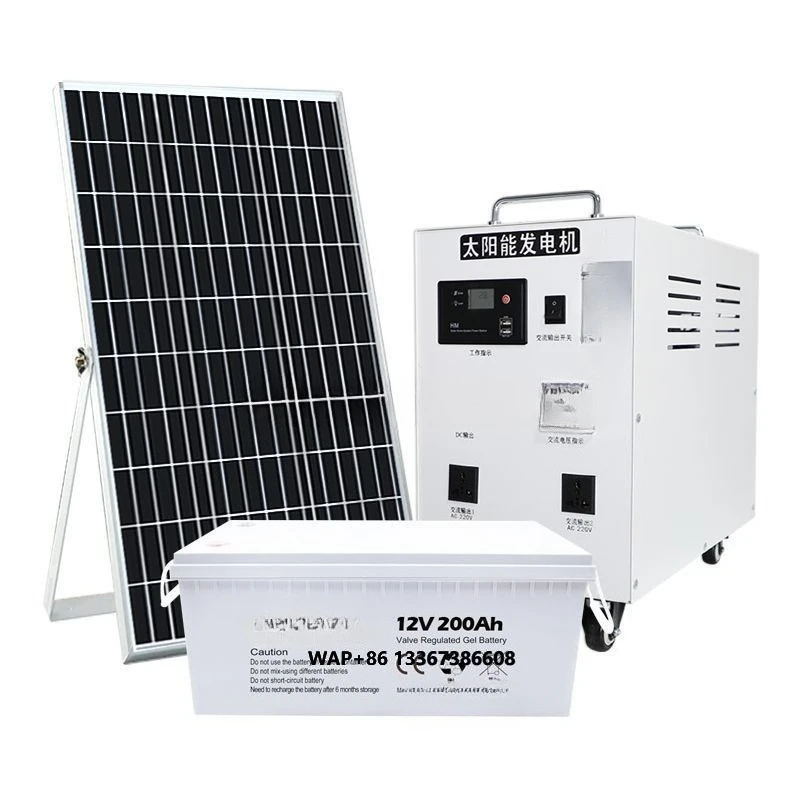
The upfront costs of solar technology can be substantial. Research on solar-assisted heat pump systems demonstrates that initial investments vary dramatically based on system complexity, with key factors including:
- Installation type and scale
- Equipment quality
- Regional energy requirements
- Specific technological configurations
Performance and Economic Viability
Economic performance extends beyond initial costs. Advanced studies highlight how technologies like bifacial solar panels can significantly impact long-term financial outcomes. These panels potentially increase energy yield and reduce overall energy costs, but their effectiveness depends on:
- Geographic location
- Temperature variations
- Precise installation specifications
- Local climate conditions
Common Buyer Pitfalls
Most solar technology buyers encounter several critical decision-making challenges:
- Overlooking long-term maintenance costs
- Misunderstanding system efficiency ratings
- Failing to assess site-specific solar potential
- Neglecting potential government incentives and tax credits
Understanding solar cell technology remains crucial for making informed purchasing decisions. Successful solar investments require comprehensive research, professional consultation, and a nuanced understanding of both technological capabilities and economic constraints.
Make Smarter Solar Choices with Expert Guidance from HTEXS
Are you still unsure about choosing the right solar technology for your needs? The article breaks down complex ideas about solar generations, efficiency, and cost, highlighting how confusing it can be to pick the best system for your home or business. Questions like which solar cells are most efficient or how to avoid common installation pitfalls are on every buyer’s mind.
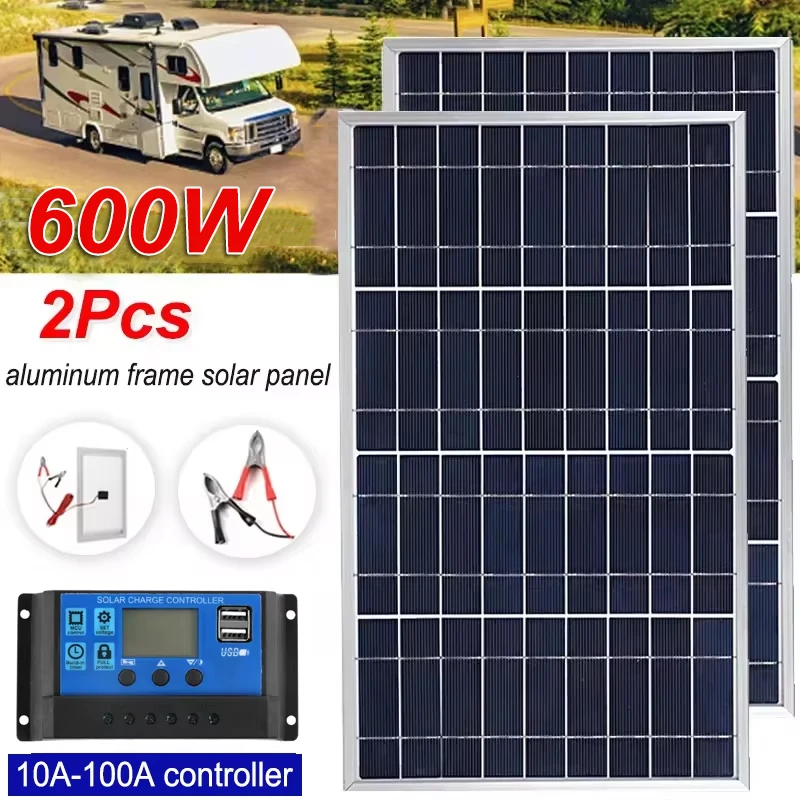
Discover actionable tips and guidance in our dedicated section for overcoming these challenges.

Ready to stop guessing and start saving? Visit HTEXS for honest reviews, simplified product comparisons, and detailed advice tailored to real-life solar investments. Check our latest product reviews to compare top solar technologies or contact our community for personalized support. Get the confidence and clarity you need to make a smart investment in solar today.
Frequently Asked Questions
What is solar technology?
Solar technology refers to the methods and equipment used to capture and convert solar radiation into usable energy, such as electricity and heat, for homes, businesses, and communities.
What are the main types of solar technologies?
The main types of solar technologies are categorized into three generations: First Generation (traditional silicon panels), Second Generation (thin-film technologies), and Third Generation (emerging technologies like perovskite and organic photovoltaic cells).
How do solar photovoltaic systems work?
Solar photovoltaic systems convert sunlight into electricity through a process called photovoltaic energy conversion, which involves the absorption of sunlight by semiconductor materials, creating an electrical current.
What are the advantages and disadvantages of solar technologies?
Advantages of solar technologies include sustainability, environmental impact reduction, energy independence, and long-term cost savings. Disadvantages include weather dependency, storage complexity, high initial investment costs, and potential material limitations.
Recommended
- Complete Guide to Solar Innovation Explained – htexs.com
- 7 Types of Solar Technology You Should Know About – htexs.com
- Understanding What is the Latest Solar Panel Technology – htexs.com
- Understanding the Solar Benefits: Harnessing Energy Power – htexs.com